Executive Director of the Centre for Environmental Management and Sustainable Energy, Benjamin Nsiah, has urged government to prioritise forex stability and targeted tax reviews as immediate measures to cushion consumers on rise of fuel prices.
The call comes as President John Dramani Mahama prepares to lead discussions on interventions to mitigate the impact of recent petroleum price hikes triggered by tensions in the Middle East.
Speaking in an interview, he stressed that stabilising the cedi could have a more significant impact on fuel prices than immediate tax cuts.
He explained that supporting Bulk Import, Distribution and Export Companies (BIDECs) with foreign exchange would enable them to import fuel at relatively lower costs, noting that similar interventions during the Russia-Ukraine conflict helped moderate prices.
“A stable forex environment, in fact, could reduce fuel prices more effectively than removing some taxes from the price build-up,” he said, adding that exchange rate stability remains central to managing petroleum costs.
Mr Nsiah further called for a careful review of taxes and levies within the fuel price structure, including the Special Petroleum Tax and components under the Energy Sector Levies Act, which significantly influence pump prices.
He noted that while some levies could be reduced or temporarily removed to provide relief, government must balance such decisions against revenue needs, particularly in addressing energy sector debts and financing power generation.
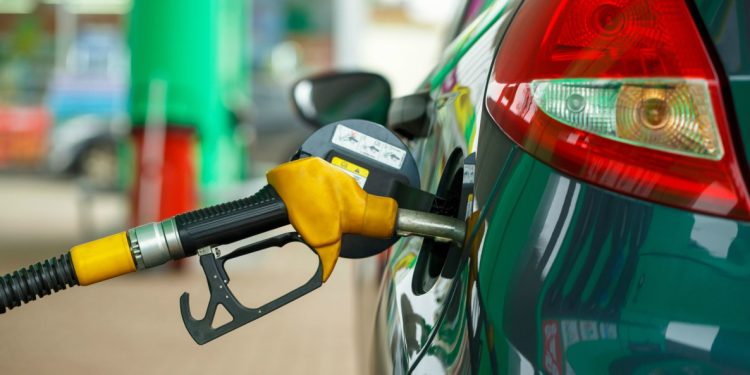
Fuel prices in Ghana have risen sharply since April 1, 2026, with the National Petroleum Authority reporting increases of about 15% for petrol and 19% for diesel, raising concerns over inflation and cost of living pressures.