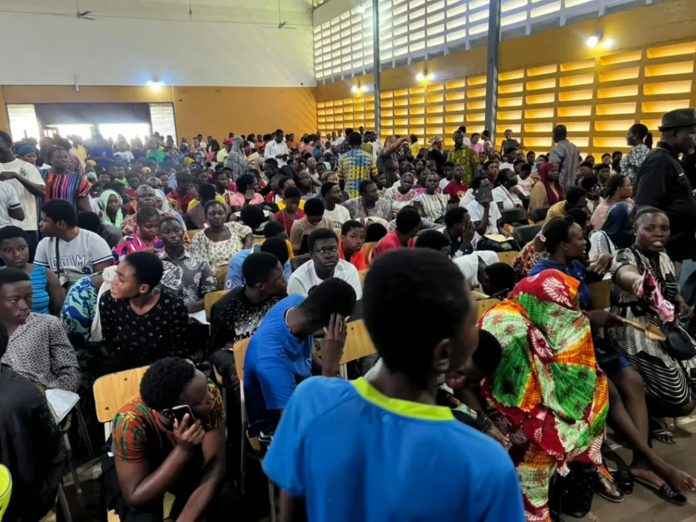
The Ghana Catholic Bishops’ Conference is calling for an independent investigation into allegations that some parents are being asked to pay for senior high school placements, warning that such practices could undermine public confidence in the Computerised School Selection and Placement System (CSSPS).
In a statement issued on Monday, the Bishops said the annual placement exercise continues to cause anxiety and frustration among students and parents, stressing that education is a fundamental right and that no child should face manipulation or humiliation when seeking placement.
“If placement is meant to be free, no official, agent, or intermediary should request or accept payment for it.”
The Conference called for a thorough investigation, with disciplinary action and possible criminal prosecution for anyone found responsible.
However, it cautioned against treating unverified allegations as facts, noting the need to protect officials who perform their duties honestly.
The Bishops also called for greater transparency in “protocol” admissions, urging authorities to disclose the legal basis, number of places, selection criteria and officials involved.
They warned that the system risks losing public trust if money, connections or influence determine access to sought-after schools.
“No placement system can inspire confidence if parents believe that money, connections, or influence can secure places unavailable to more deserving but less privileged children.”
Of the 604,567 candidates who qualified for placement this year, 527,932 had been placed when the results were released.
The Conference further raised concerns about students being assigned to unsuitable schools based on their sex, disability, personal circumstances or location.
It called for accessible appeals procedures, prompt correction of genuine errors and appropriate support for students with disabilities.
The Bishops are proposing an independent technical review of the CSSPS, public disclosure of its findings, clearer placement criteria and an independent official to handle unresolved complaints.
They stressed that while technology can promote fairness, human responsibility remains essential to ensuring placement decisions are educationally appropriate and morally sound.