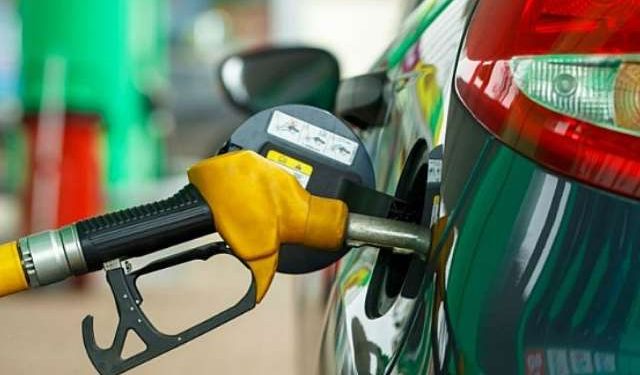
The Chief Executive Officer of the Chamber of Bulk Oil Distributors (CBOD), Dr. Patrick Kwaku Ofori, says Ghana is not ready to adopt a daily fuel pricing system, despite the continued changes in global oil prices.
During his interview today, August 3, Dr. Ofori explained that although some countries, including Pakistan, adjust fuel prices every day, Ghana does not yet have the systems needed to make such a policy work without causing problems for consumers.
He said the biggest challenge is the time it takes for fuel to move through the supply chain before reaching filling stations.
“We’re looking at price today, and it will take you about four or five days for the product to get to the station. The volatility, if it is too high, will be a bit difficult to manage,” he said.
Dr. Ofori noted that global crude oil prices have been unstable in recent months, especially during the conflict involving Iran.
He said the crisis caused crude oil prices to jump sharply from around $75 to $100 per barrel within a short period.
“If you check the last two weeks, indeed, it was really hostile and very volatile. Because I think at a point in time there were changes from $75 to $100 a barrel. Clearly, there’s exposure to somebody like a refinery. We are talking about over $25 million within 48 hours. These are huge amounts that can easily erode your capital,” he said.
According to him, the announcement of a ceasefire has helped reduce tensions in the oil market, and prices could become more stable if diplomatic efforts continue.
“The signal that we are getting, if we can keep calm by his word, then I think things are going to calm down… they are having a ceasefire until diplomacy comes to bear,” he said.
Instead of introducing daily fuel price reviews, Dr. Ofori suggested that regulators should only allow price changes outside the current schedule when there are major movements in important market factors, such as the exchange rate or international oil prices.
“I think the caveat we can have is that if, let’s say, exchange rates or the international prices do by, let’s say, 20 per cent change, then it’s also incidental that they should change,” he said.
He also pointed out that oil marketing companies have reduced fuel prices for consumers whenever global fuel prices have fallen.
“When we saw prices dropping, immediately, whether they bought the product for whatever value or so, they responded by passing it on to the market,” he said.
Dr. Ofori stressed that while Ghana’s fuel pricing system can continue to improve, any changes should protect consumers from sharp price increases while also ensuring that importers and refiners can continue operating sustainably.