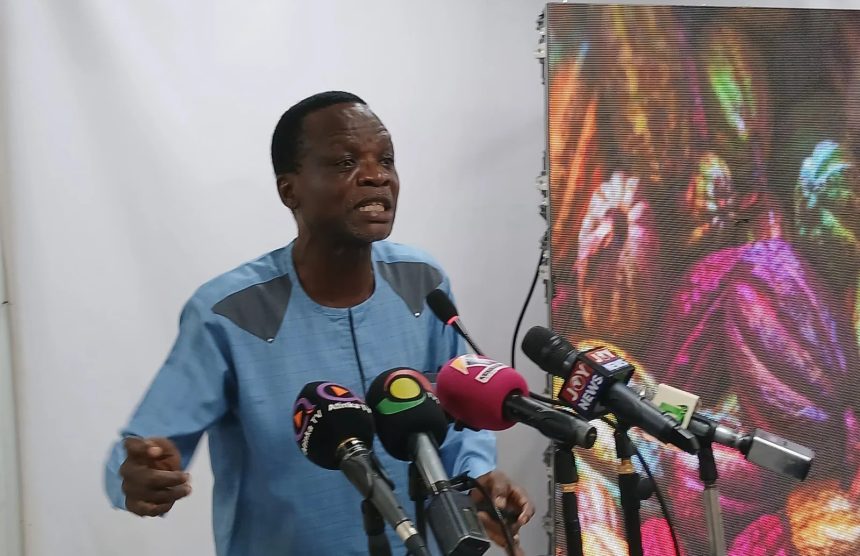
Development economist Dr. George Domfe of the University of Ghana has contributed to the ongoing national discussion on Ghana’s public debt, stressing that prudent fiscal management alone does not automatically reduce the country’s total debt stock.
His comments follow remarks by Finance Minister Dr. Cassiel Ato Forson, who indicated that the government’s prudent fiscal policies had contributed to reducing Ghana’s debt burden.
While acknowledging the importance of fiscal discipline, Dr. Domfe argued that there is a significant difference between slowing the growth of public debt and actually reducing the amount the country owes.
He explained that public debt should be understood through two key concepts: debt stock and fiscal deficit.
According to him, debt stock refers to the total amount of money the government owes, including outstanding principal and interest, at any given time.
A fiscal deficit, on the other hand, occurs when government expenditure exceeds revenue within a financial year, forcing the state to borrow to cover the gap.
He noted that measures such as reducing unnecessary expenditure, improving revenue collection and narrowing budget deficits help limit the need for additional borrowing.
However, he emphasised that these actions do not by themselves reduce the existing debt.
To simplify the issue, Dr. Domfe compared the situation to body weight.
“Confusing debt accumulation with debt stock is like claiming you’ve lost weight simply because you’ve stopped adding more food to your plate. Refusing a second serving stops you from gaining additional weight, but it does not magically melt away the pounds already on the scale,” he explained.
The economist stated that a country’s debt stock only declines through specific measures such as debt forgiveness, debt restructuring or direct repayment of the principal using government surpluses rather than refinancing existing loans.
He cited initiatives such as the Heavily Indebted Poor Countries (HIPC) programme and debt restructuring agreements as examples of mechanisms that can reduce the total debt owed.
Dr. Domfe also cautioned public officials to communicate economic issues accurately, warning that misleading statements could create unrealistic public expectations.