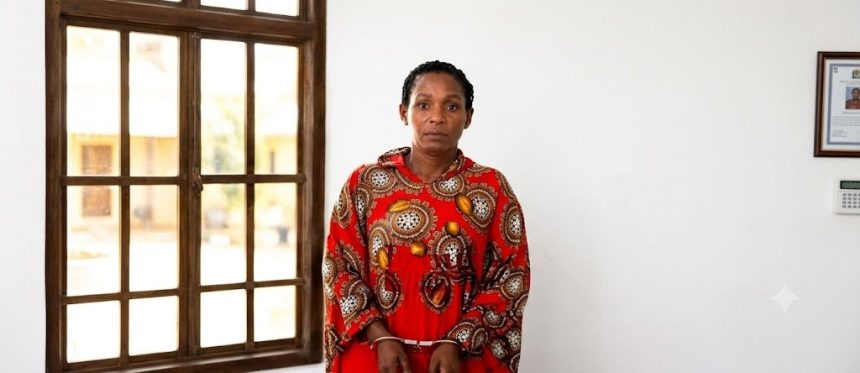
Camilla Alhassan lied, that is if the evidence presented in court is accepted.
She knowingly made serious and unsubstantiated allegations against President John Dramani Mahama.
Lies have consequences, and they should.
But should those consequences include imprisonment?
That is the question Ghana must confront not because Camilla deserves sympathy, but because democracy deserves protection.
The 1992 Constitution guarantees every Ghanaian the right to freedom of speech and expression under Article 21(1)(a).
That right, however, is not unlimited.
Article 164 allows reasonable restrictions to protect public order and the rights and reputations of others.
No one has a constitutional licence to spread malicious falsehoods.
Even so, the strength of a constitutional democracy is measured not only by the laws it enforces but also by the restraint it exercises.
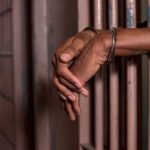
Although Camilla’s conviction may have followed due legal process, it revives an important national debate: should false statements about public officials lead to prison, or should they be addressed through civil remedies such as damages, apologies and retractions?
Ghana has faced this question before.
In 2001, Parliament repealed the Criminal Libel and Seditious Laws, a landmark reform that earned international recognition for advancing press freedom and democratic accountability.
The guiding principle was clear: disputes over reputation should generally be resolved through civil justice rather than criminal punishment.
That principle remains just as relevant in the age of TikTok, Facebook and X.
There is no doubt that misinformation is a growing threat.
False claims can destroy reputations, inflame political tensions and erode public trust.
The state has a legitimate duty to combat deliberate disinformation.
But there is another danger.
When imprisonment becomes the punishment for speech-related offences, people may begin censoring themselves out of fear.
The habitual liar may deserve punishment, but journalists, activists, whistleblowers and ordinary citizens may start wondering whether speaking up is worth the risk.
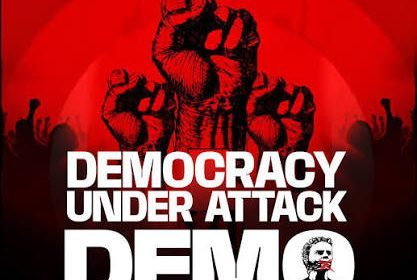
Democracy is weakened when fear replaces participation.
International human rights bodies, including the African Commission on Human and Peoples’ Rights and the United Nations Human Rights Committee, have consistently urged states to avoid custodial sentences for speech-related offences except in the most exceptional circumstances.
Their preference is for proportionate civil remedies that hold wrongdoers accountable without discouraging lawful expression.
Public officials deserve protection from malicious lies, just as every citizen does.
But elected leaders also hold positions that require them to tolerate greater public scrutiny and criticism than private individuals.
The law must therefore strike a careful balance: punish deliberate falsehoods without creating a climate where citizens fear speaking at all.
Camilla Alhassan’s conviction should not become a partisan battle between government and opposition.
Instead, it should prompt a broader national conversation about whether Ghana’s response to false speech reflects the democratic values it claims to uphold.
Lies should never prevail.
But neither should fear.
A democracy that imprisons falsehoods must be careful not to imprison free expression with them.