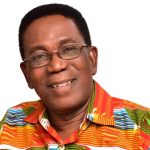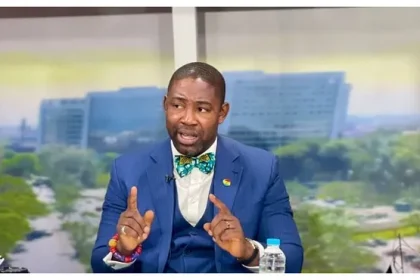
A research fellow at the Centre for Democratic Development (CDD-Ghana), Dr. John Osae-Kwapong, has maintained that Ghana’s Constitution clearly limits every president to two terms in office, arguing that there is no legal basis for a third presidential term under any circumstances.
Speaking about petitions seeking third term for Mahama, Dr. Osae-Kwapong said Article 66 of the 1992 Constitution is straightforward and does not require further interpretation by the courts on the issue of presidential term limits.
Although he acknowledged that he is not a constitutional lawyer, he insisted that the wording of the Constitution is unambiguous.
According to him, the Constitution simply states that a president can serve only two terms, regardless of whether those terms are served consecutively or separated by several years.
He explained that even if a president leaves office after one term and returns years later to win another election, the constitutional limit remains two terms in total.
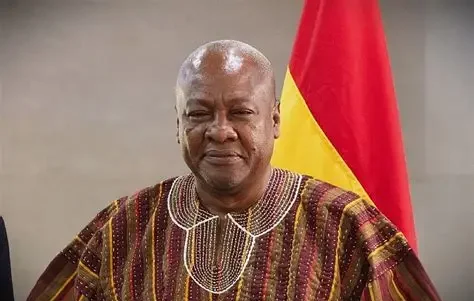
His comments come at a time when public discussion has intensified over whether President John Dramani Mahama could legally seek another term after previously serving as president, losing re-election and later returning to office.
The debate has also attracted national attention following a case currently before the Supreme Court, where two citizens are seeking a judicial interpretation of Article 66 of the Constitution.
While recognising that the Supreme Court has the authority to interpret constitutional provisions where there is uncertainty, Dr. Osae-Kwapong argued that the presidential term limit is not one of the provisions requiring clarification.
He said the framers of the 1992 Constitution intentionally introduced presidential term limits to prevent the concentration of political power and to safeguard Ghana’s democratic system.
Dr. Osae-Kwapong pointed to the examples of former Presidents Jerry John Rawlings, John Agyekum Kufuor and Nana Addo Dankwa Akufo-Addo, all of whom completed the constitutionally permitted number of terms and peacefully handed over power.
He questioned why the issue of extending presidential tenure should arise if previous leaders respected the constitutional limits.
According to Dr. Osae-Kwapong, preserving the two-term limit is essential to protecting Ghana’s democratic tradition, strengthening constitutional governance and preventing political entrenchment.
He stressed that respecting the Constitution is crucial to ensuring regular leadership renewal and maintaining public confidence in the country’s democratic institutions.