The rain has stopped. The floodwaters are receding. Traffic is returning to normal. Yet if history is any guide, the silence that follows every flood is often more dangerous than the flood itself.
It is the silence that allows governments to make fresh promises, citizens to return to old habits, and the nation to drift towards the next disaster.
No government can credibly claim surprise when Accra floods. The city’s flood-prone communities have been mapped for years, and engineers and urban planners have repeatedly identified the Odaw Basin, Kaneshie, Alajo, Circle, Weija, Adabraka and other low-lying areas as highly vulnerable.
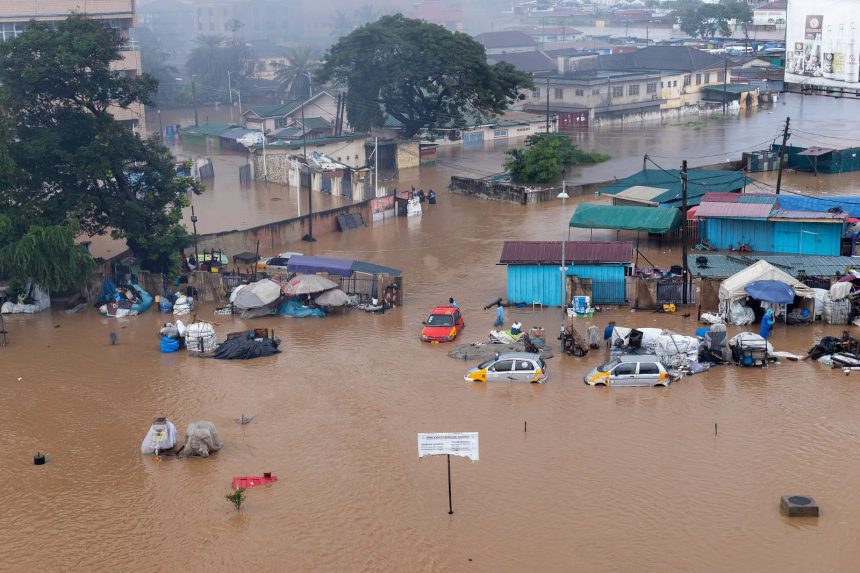
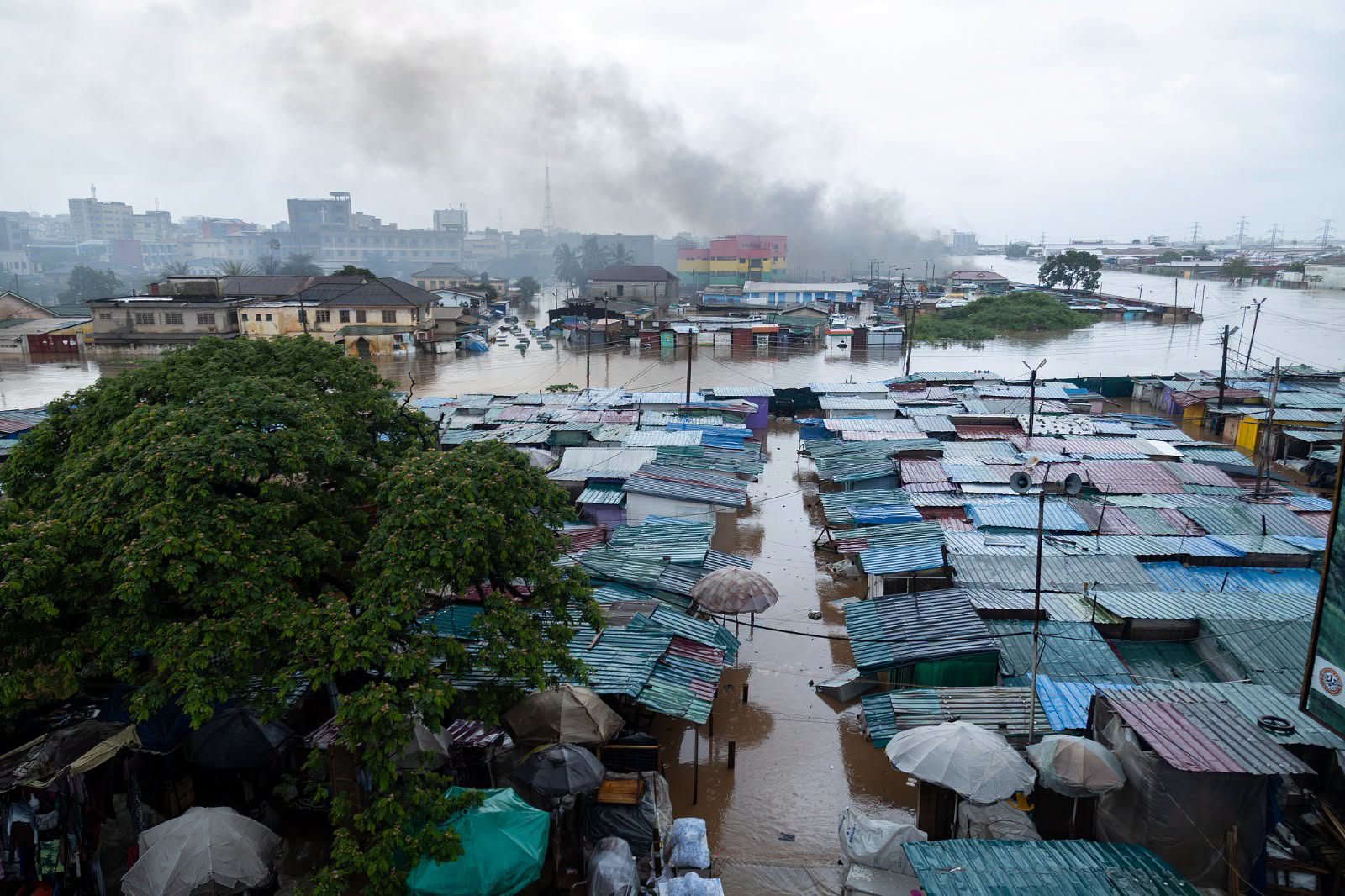
This latest disaster, which occurred on 29th June 2026, claimed lives, displaced families, submerged homes and businesses, and left motorists counting heavy losses, despite the Ghana Meteorological Agency’s warning of normal to above-normal rainfall along the coast.
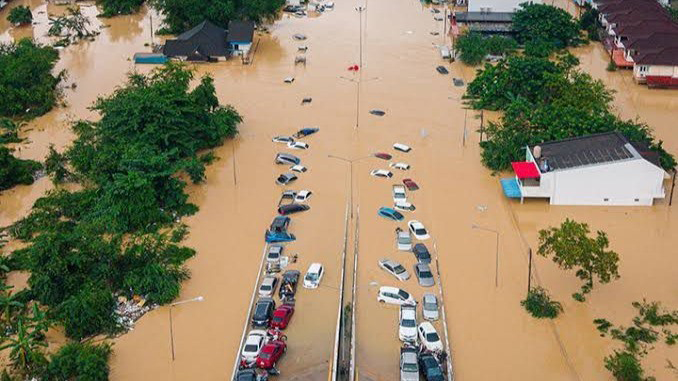
Perhaps no issue better illustrates Ghana’s leadership deficit than Accra’s annual floods.
Every administration has acknowledged the problem and promised lasting solutions, yet every rainy season delivers the same scenes of submerged roads, stranded commuters and desperate rescue efforts.
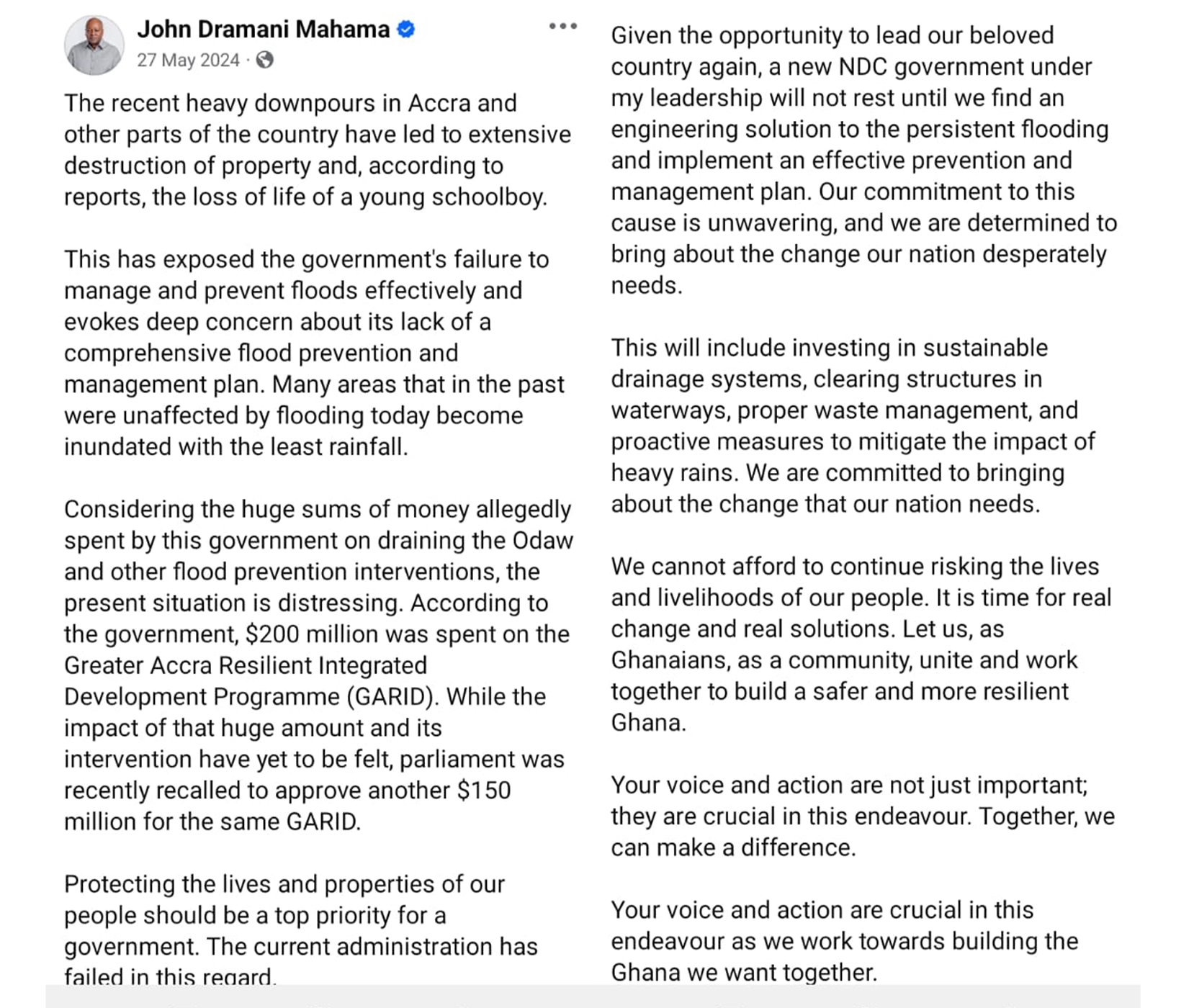
In May 2024, then-opposition leader John Dramani Mahama criticised the Akufo-Addo administration for failing to tackle flooding despite significant investment under the World Bank-supported Greater Accra Resilient and Integrated Development (GARID) Project.
He questioned the impact of the funding and promised an “engineering solution” built on sustainable drainage, effective waste management and the removal of structures from waterways.
Today, President Mahama carries the responsibility of translating those promises into results.
His recent aerial inspection of flooded communities demonstrated concern, but Ghanaians should demand more than post-disaster assessments.
Leadership is measured not by how quickly officials visit flooded communities, but by whether those communities flood again.
The same standard applies to the previous Akufo-Addo administration, under whose watch major flood mitigation projects also failed to prevent recurring devastation.
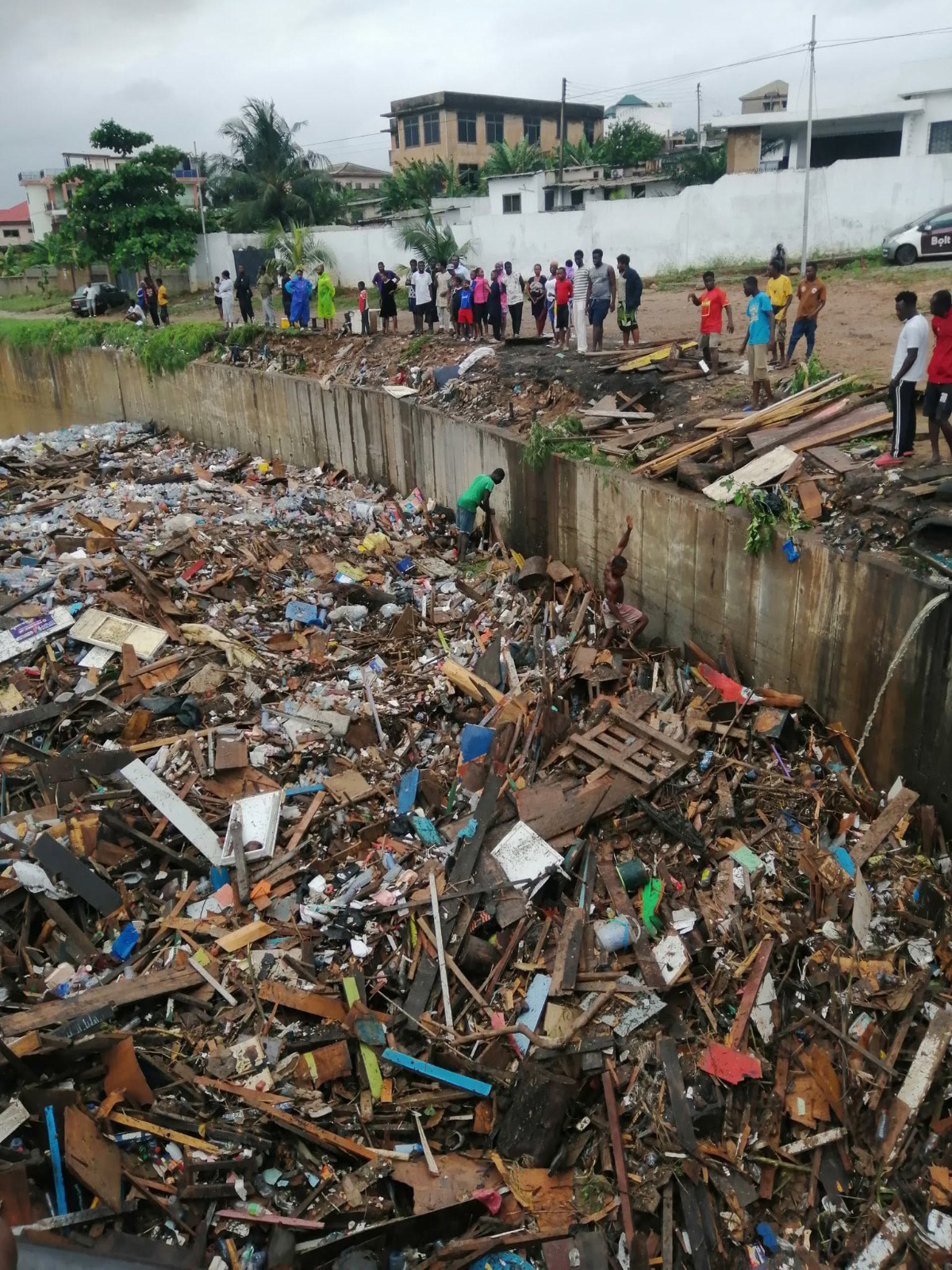
Government, however, is not the only culprit. Along sections of the Odaw River and across the capital, drains have become convenient dumping grounds for plastic waste, food containers, construction debris and household refuse.
Some traders and businesses operating along waterways treat them as refuse sites, making effective drainage virtually impossible.
Yet this recklessness does not excuse the state’s failure to enforce planning laws. Illegal structures do not survive because the law is absent; they survive because enforcement is often sacrificed at the altar of politics.
The tragedy is not that Accra floods. Cities from London to Lagos experience heavy rainfall and floods. The difference is that they learn and adapt.
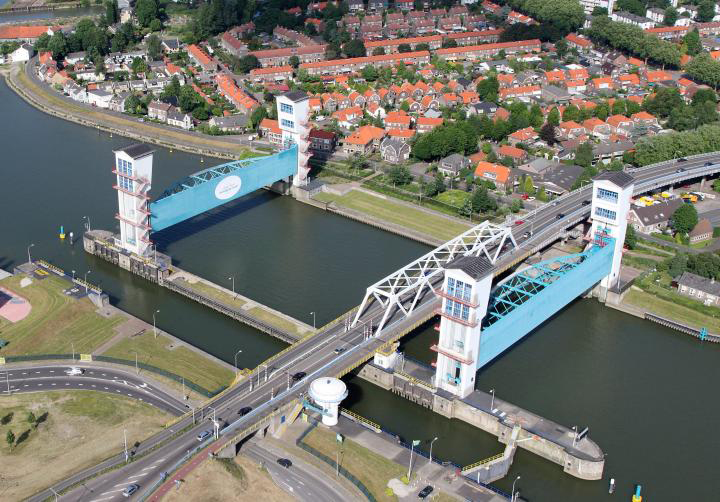
After the devastating North Sea floods of 1953, the Netherlands invested in the Delta Works, one of the world’s most advanced flood defence systems.
Singapore transformed its drainage network through sustained investment, strict land-use planning and uncompromising enforcement against encroachment and illegal dumping.
Following the catastrophic floods of 2011, Thailand strengthened water retention systems, reservoirs and flood forecasting. None of these countries stopped the rain; they reduced the risk.
Ghana, by contrast, has normalised preventable disasters. Billions of cedis have been committed to flood mitigation over the years, yet the capital continues to buckle after a few hours of heavy rainfall.
Until governments enforce planning laws without fear or favour, complete critical drainage projects on schedule, account transparently for public spending, and citizens treat sanitation as a civic duty rather than an afterthought, the cycle will continue.
When history judges this generation of leaders, it will not ask how many flood victims they visited or how many aerial inspections they conducted after disaster struck.
It will ask one simple question: why did the capital of Ghana continue to drown long after everyone knew exactly why it was drowning?