The National Disaster Management Organisation (NADMO) in the Weija-Gbawe Municipality has issued an urgent warning to residents living downstream of the Weija Dam to immediately move to higher grounds following the opening of the dam’s spillway.
According to NADMO, heavy inflows of water from the Nsawam area into the Weija Dam Reservoir have caused water levels to rise significantly, threatening to exceed the dam’s maximum capacity.
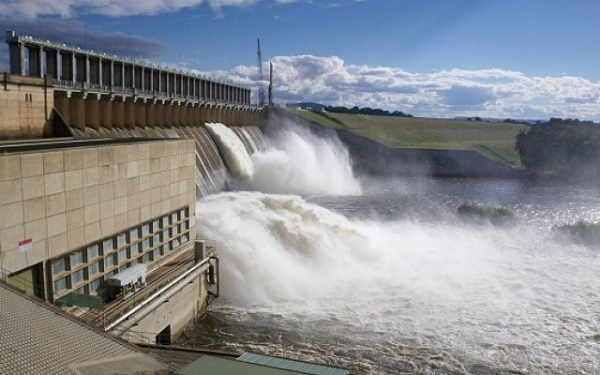
To protect the structural integrity of the dam and prevent a more serious disaster, management has begun releasing excess water through the spillway.
Officials disclosed that three spill gates have been opened at 30 inches each, resulting in a high-intensity discharge of water into surrounding waterways.
The development has raised concerns about possible flooding in several communities located downstream of the dam.
NADMO has warned that areas including Tetegu, Weija, SCC, Old Barrier, Oblogo, Mallam Junction, Aplaku, Bortianor, parts of Sampah and other nearby settlements are at risk of inundation.
In a statement, the disaster management agency appealed to residents in vulnerable locations not to wait until floodwaters reach their homes before taking action.
“Residents must leave low-lying areas immediately and move to safer, higher grounds,” the statement said.
NADMO also urged community members to assist neighbours, particularly the elderly, children and persons who may not have access to information through mobile phones or social media.
Residents evacuating their homes have been advised to carry only essential items such as identification documents, medications, mobile phones, chargers, cash and important documents stored in waterproof bags.
The organisation further cautioned the public against attempting to cross floodwaters, stressing that even shallow water can pose a significant danger.
According to safety guidelines, as little as six inches of moving water can knock a person off their feet, while two feet of water can sweep away a vehicle.
NADMO has activated emergency response measures and encouraged anyone requiring assistance to contact emergency services on 112 or reach the local NADMO office through the dedicated emergency numbers provided.
Authorities continue to monitor the situation closely and have urged residents in affected areas to comply with evacuation directives to ensure their safety.