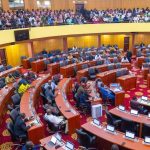
The Minority Caucus in Parliament has accused the government of deliberately slowing down the passage of the Human Sexual Rights and Family Values Bill, widely known as the anti-LGBTQ+ Bill, while trying to avoid the political fallout from changing its earlier position on the legislation.
In a statement issued on Thursday, June 4, 2026, and signed by Minority Leader Alexander Afenyo-Markin, the caucus cited what it described as conflicting views from top members of the governing National Democratic Congress (NDC).
According to the Minority, the controversy deepened after Parliament passed the amended version of the bill.
The caucus pointed to comments by President John Dramani Mahama suggesting Parliament may not have had the required quorum during the approval process.
It also referenced Speaker Alban Bagbin’s call for the bill to be returned to the floor for a fresh Consideration Stage, as well as reported disagreement from the Majority Leader over the issue.
“The NPP believes these contradictions reflect an attempt to frustrate the Bill’s enactment, while managing the political consequences of abandoning a position that the NDC once vigorously championed,” the statement said.
The Minority argued that the NDC’s current position differs sharply from the stance it took while in opposition, when it strongly supported the 2024 version of the bill and criticised delays in securing presidential assent.
According to the caucus, the reintroduced bill, which now contains 31 amendments, marks a major shift from the NDC’s earlier support for the legislation.
The Minority said Ghanaians who backed the NDC based on its previous position on the bill expect the government to honour those commitments.
The caucus further called for the version passed by the 8th Parliament in 2024 to be maintained in its original form and forwarded for presidential assent.
The Human Sexual Rights and Family Values Bill remains one of Ghana’s most controversial pieces of legislation, with ongoing debate over its content, constitutionality, and the legal process required for it to become law.