A new report by the Ghana Statistical Service (GSS) has identified the North East Region as the area with the highest levels of multidimensional poverty in Ghana.
The report, released on Monday, May 18, 2026, showed that six districts in the region recorded the worst poverty levels in the country.
According to the findings, Yunyoo Nasuan District had the highest poverty rate in 2025. About 51.6 percent of people in the district faced several forms of deprivation at the same time, including challenges linked to health, education, and living conditions.
In contrast, Ayawaso North Municipal recorded the lowest multidimensional poverty rate at 5.5 percent.
The report marks a major milestone for Ghana because it is the first time the country has produced comparable multidimensional poverty data for all 261 districts over several years.
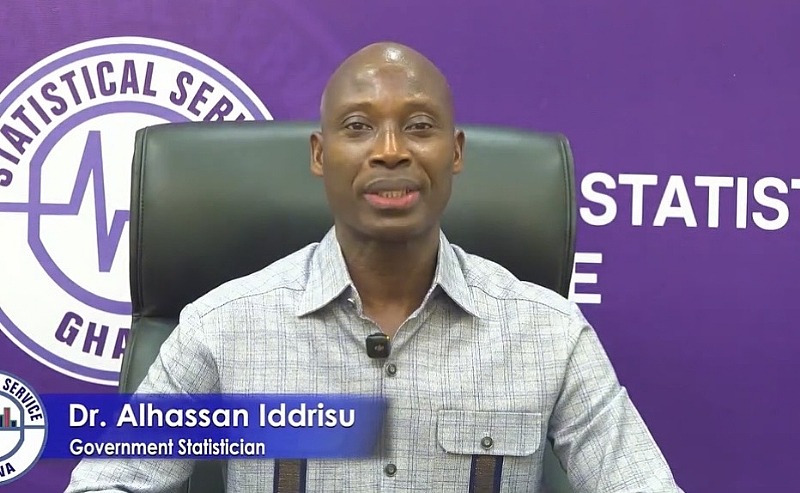
Government Statistician, Dr. Alhassan Iddrisu, described the achievement as an important step toward better planning, effective poverty reduction programmes, and stronger evidence-based policymaking.
The report also showed encouraging signs of progress across the country. Out of the 261 districts, 250 reduced their poverty levels between 2021 and 2025.
The findings suggest that investments in education, healthcare, social protection, infrastructure, and livelihoods are helping to improve lives.
Despite the progress, the report highlighted a wide gap between districts with the highest and lowest poverty levels. The difference currently stands at more than 46 percentage points.
“This is a powerful reminder that where a person lives in Ghana still significantly shapes their opportunities and quality of life,” Dr Iddrisu said during the launch of the report at Alisa Hotel on Monday.
The data showed that poverty remains heavily concentrated in parts of the North East, Northern, Oti, Savannah, Upper East, Upper West, and Bono East regions.
All six districts with the highest poverty rates in 2025 came from the North East Region.
Some districts, however, made remarkable improvements over the four-year period. Wa West District recorded the biggest national improvement by reducing multidimensional poverty from 61.9 percent in 2021 to 24.0 percent in 2025.
Sekyere Afram Plains also achieved major progress after cutting poverty levels from 50.5 percent to 13.5 percent during the same period.
“These districts show that meaningful progress can happen, even in places that once faced very high poverty levels. We must study what worked in these districts and apply the lessons everywhere,” Dr Iddrisu urged.
The report also pointed to districts where poverty levels increased instead of declining. Guan District recorded the biggest rise in multidimensional poverty, moving from 28.1 percent in 2021 to 34.8 percent in 2025. Other districts saw only small improvements.
“This tells us clearly that progress cannot be assumed. It must be monitored, sustained, and strengthened continuously,” the Government Statistician warned.