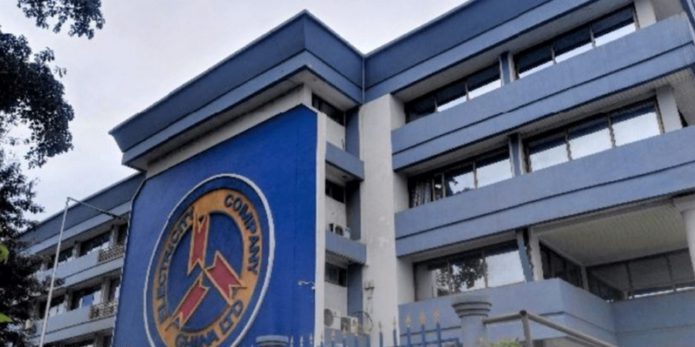
The government has confirmed that plans to introduce private sector participation in the operations of the Electricity Company of Ghana (ECG) are expected to begin by early 2027 as part of ongoing reforms in the country’s power distribution sector.
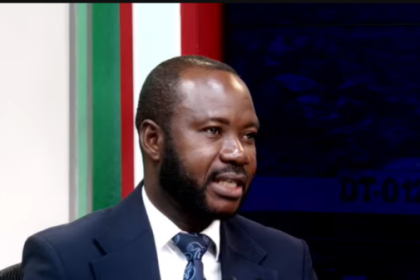
The announcement was made by a senior adviser at the Ministry of Finance, Dr. Theo Acheampong, who explained that the move forms part of broader economic and structural reforms being implemented under Ghana’s economic recovery programme with support from international partners, including the International Monetary Fund (IMF).
He said the goal is to improve efficiency in electricity distribution, reduce financial losses, and strengthen revenue collection to ensure a more sustainable power sector.
According to him, the arrangement being planned is not a full privatisation or outright sale of ECG but rather a public–private partnership model or concession-style arrangement.
Under this system, private sector operators will be brought in to manage selected parts of ECG’s operations, particularly areas where inefficiencies and revenue leakages have persisted.
The state will continue to own the utility, while private partners are expected to bring technical expertise, improve billing systems, enhance metering, and help reduce commercial and technical losses that have long affected ECG’s performance.
The reforms come against the backdrop of long-standing challenges in Ghana’s electricity distribution sector, where ECG has faced criticism over high system losses, power theft, weak revenue collection, and mounting debts.
These challenges have contributed to liquidity constraints within the energy sector, affecting payments to power producers and creating pressure on government finances.
Authorities believe that without significant operational changes, the financial sustainability of the sector will continue to be at risk.
Over the coming months, the Ministry of Finance and energy sector agencies are expected to finalise the detailed framework, including the scope of private participation and performance targets.
If all goes according to plan, the rollout is expected to begin by early 2027, marking one of the most significant changes to Ghana’s electricity distribution system in recent years.