The International Monetary Fund (IMF) has called on Ghana to accelerate reforms in the energy sector, including advancing private sector participation in the operations of the Electricity Company of Ghana (ECG), warning that ongoing inefficiencies continue to pose risks to public finances and overall economic stability.
The call was made during discussions between an IMF delegation led by Ruben Atoyan and Ghanaian authorities as part of the Fund’s mission to Accra from April 29 to May 15 for the sixth and final review of Ghana’s Extended Credit Facility programme.
In a closing statement, the IMF stressed that safeguarding fiscal stability will depend heavily on decisive reforms in key sectors, particularly energy and cocoa, which have historically placed pressure on the national budget.
The Fund noted that urgent action is needed to address inefficiencies within ECG, especially distribution losses and weak revenue collection systems that continue to undermine the financial health of the power sector.
It further indicated that efforts should focus on strengthening payment discipline across the electricity value chain, clearing outstanding arrears, and reducing the cost of power generation as part of broader sector restructuring.
The IMF stated that “priority should be given to tackling distribution and collection losses at ECG, including advancing private sector participation in the distribution segment, improving payment discipline, clearing legacy arrears, and reducing generation costs.”
Despite these concerns, the Fund acknowledged that Ghana’s economic programme has recorded notable progress, including declining inflation, improved foreign exchange reserves, and stronger performance of the cedi.
It also observed that fiscal indicators have improved significantly, while economic growth in 2025 exceeded expectations, supported by increased gold exports and broad-based sector activity.
However, the IMF cautioned that sustaining these gains will require continued reforms and strict fiscal discipline, warning that global uncertainties could still impact Ghana’s economic outlook.
The Fund cited risks such as rising global energy and food prices, noting that geopolitical tensions in other regions could have spillover effects on domestic inflation and import costs.
As part of the next phase of engagement, the IMF announced a staff-level agreement with the government on a new 36-month Policy Coordination Instrument (PCI), which will guide post-programme reforms once the current arrangement ends.
The new framework is expected to focus on fiscal consolidation, debt sustainability, improved governance of state-owned enterprises, and policies aimed at supporting inclusive economic growth.
The IMF also raised concerns about transparency in quasi-fiscal activities, particularly at the central bank, warning that such operations can weaken financial stability if not properly managed.
It further highlighted losses linked to the Domestic Gold Purchase Programme as an example of risks associated with non-core central bank interventions.
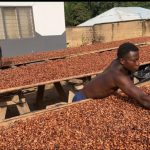
On the cocoa sector, the Fund urged reforms to improve efficiency and ensure the long-term sustainability of the country’s cocoa marketing and regulatory system.
While commending Ghana for progress made under the programme, the IMF praised what it described as the “resilience and determination of the Ghanaian people,” but warned that avoiding past policy lapses would be crucial to maintaining economic stability going forward.