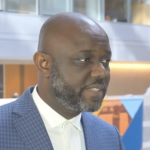
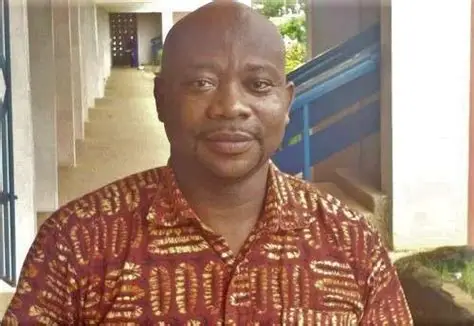
President of the Chamber for Local Governance (CHALOG), Richard Fiadomor, has identified political interference as the biggest challenge facing local governance in Ghana, warning that it is undermining decentralisation and effective service delivery.
He explained that too much control from the central government limits the ability of Metropolitan, Municipal and District Assemblies to carry out projects and respond to the specific needs of their communities.
Speaking in an interview on May 3, 2026, he said that although assemblies receive funding through the District Assemblies Common Fund, decisions on how the money is used are often made in Accra rather than at the local level.
He argued that this approach goes against the purpose of decentralisation, pointing to cases where contracts for projects such as school construction and furniture supply are awarded centrally instead of allowing local assemblies to work with contractors in their own areas.
“We have a situation whereby somebody sits in Accra and wants to remote-control everything. When some of these things happen, it defeats the very purpose of decentralisation. That is the challenge we have, political interference,” he stated.
Mr. Fiadomor also noted that although assembly members play important roles in representing their communities, some district assemblies have not done enough to engage residents, which has affected public trust.
He stressed that addressing these structural issues and giving assemblies more independence will be key to improving development at the grassroots level.