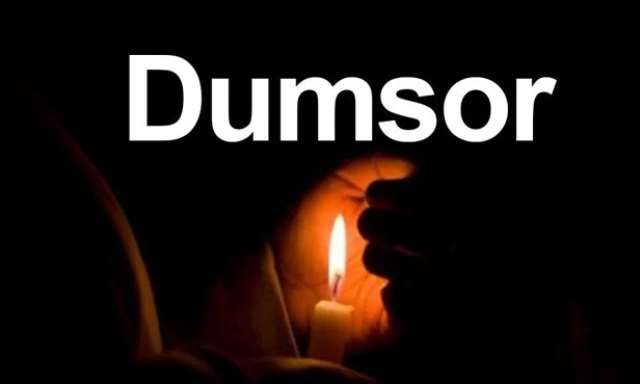
Once again, Ghana is slipping into familiar darkness, and once again, the explanations are arriving faster than the electricity.
We are told it is maintenance. Then system upgrades. Then, there are unexpected faults. Then temporary challenges. At this point, the vocabulary of power outages has become more advanced than the stability of the power itself.
But the real question Ghanaians are beginning to ask is simple: is this truly an energy problem, or a communication strategy designed to soften frustration?
Because what citizens experience on the ground does not always match what is said at press briefings.
Small businesses are counting losses in silence. Students are adjusting their study schedules around uncertainty. Hospitals are relying on backup systems that were never meant to be permanent solutions.
Yet, every outage still arrives with the same tone, as though it is a surprise.
The uncomfortable truth is that Ghana’s energy conversation is no longer just technical. It has become psychological. People no longer react only to power cuts; they react to the predictability of the explanations that follow them.
And when explanations feel repetitive, citizens begin to suspect something deeper: that the system is not necessarily breaking down, but being explained down.
Over the years, massive investments have been announced, reforms have been introduced, and committees have been formed. But the average Ghanaian is not experiencing press releases; they are experiencing darkness.
At what point does “temporary” stop being temporary?
At what point does “maintenance” become a permanent excuse?
And at what point does the public stop being told to be patient and start demanding honesty instead of reassurance?
This is where the frustration is building. Not just from the outages, but from the feeling that the country is trapped in a cycle where the problem is always known, but never fully resolved.
Ghana does not lack intelligence in energy management. What it increasingly appears to lack is brutal honesty about what is actually failing, and who is responsible when it does.
Because if every return of dumsor is met with the same explanations, then the real crisis is not power generation. It is credibility.
And once citizens begin to lose trust in what they are told, every blackout becomes more than a technical issue, it becomes a political and institutional question.
So the question is no longer whether Ghana can generate power.
It is whether Ghanaians are being fully told the truth about why the lights keep going off.