A viral video circulating on social media has brought renewed attention to the challenges students face during power outages in Ghana.
The footage shows university students studying with torch lights and mobile phone flashlights as they prepare for examinations in the dark.
The video, recorded at the University of Skills Training and Entrepreneurial Development formerly Akenten Appiah-Menke University of Skills Training and Entrepreneurial Development (AAMUSTED), captures students seated in lecture halls, struggling to read their books due to the sudden loss of electricity.
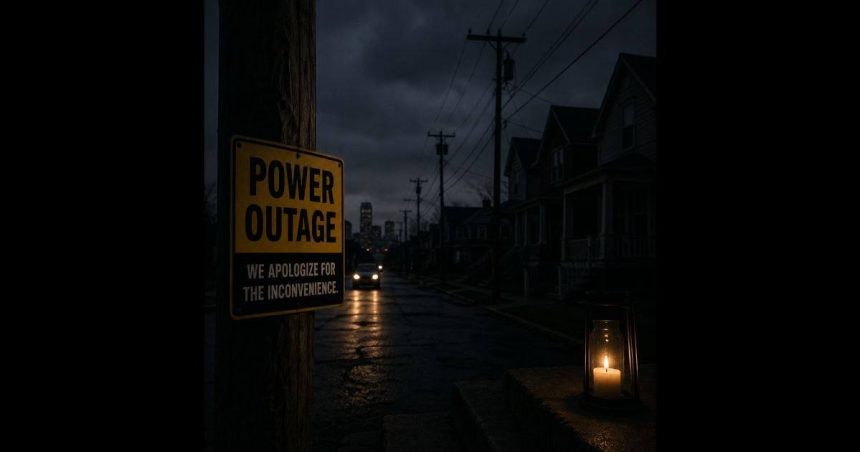
The situation has been linked to ongoing “dumsor,” a term used to describe irregular power supply in the country.
Dumsor affects university students as they prepare for exams. #TGR
Alchemist | Pepe Guardiola | VOTE FOR PACARY pic.twitter.com/YZQu1SeCZB
— The Ghana Report (@theghana_report) April 25, 2026
The outage occurred during a critical exam period, forcing students to rely on alternative light sources to continue their studies.
Many students say the situation is frustrating and stressful. With exams approaching, they have little choice but to adapt.
Some charge their phones in advance, while others use rechargeable lamps when available. However, not all students can afford such devices, making the situation even more difficult.
The problem is not new. In recent years, concerns have grown about the impact of unreliable electricity on academic life.
Studies and reports have shown that power outages can disrupt learning, limit access to online materials, and affect students’ mental well-being. In Ghana, where University learning increasingly depends on laptops, internet access, and digital platforms, stable electricity is essential.
Experts warn that repeated outages can increase anxiety among students. Research has shown that a significant number of university students experience stress and worry due to unreliable power supply, especially during important academic periods.
The viral video has since sparked debate online, with many calling on the government to provide stable electricity, particularly for educational institutions. Others have urged universities to invest in backup power systems to support students during outages.