The FIFA World Cup has returned to North America for the first time since 1994, when the United States successfully hosted the tournament and welcomed fans from across the globe.
Unlike that edition, however, the 2026 World Cup is unfolding amid one of the most complex travel environments in the competition’s history.
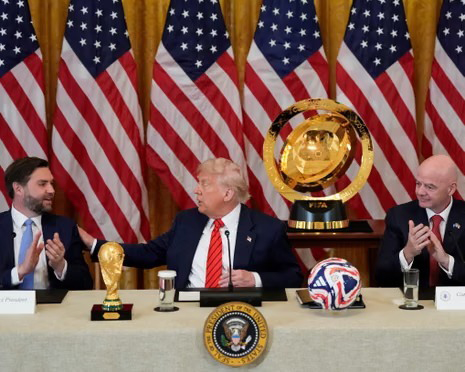
Under the leadership of President Donald Trump, the United States, which is co-hosting the tournament with Mexico and Canada, has implemented a series of travel bans and visa restrictions affecting dozens of countries.
While exemptions exist for players and certain team personnel, recent incidents involving football officials, players and concerns from supporters have raised questions about how the measures could affect the spirit of the world’s biggest sporting event.
The United States, alongside Mexico and Canada, is hosting the expanded 48-team World Cup.
While the 1994 tournament was largely remembered for welcoming fans from around the world and setting attendance records, the 2026 edition is unfolding against a backdrop of travel bans and visa restrictions affecting dozens of countries.
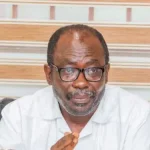
The issue has come into sharp focus following the case of Somali referee Omar Abdulkadir Artan, who was denied entry into the United States despite being selected by FIFA to officiate at the World Cup.
Omar Artan, the Confederation of African Football’s 2025 Referee of the Year and the first Somali official appointed to a World Cup, was turned away upon arrival in Miami and returned to Istanbul.
U.S. authorities said he was deemed inadmissible after additional vetting, although no detailed explanation was provided.
In a statement, the Somali referee confirmed his entry denial and promised to keep his head up.
“Despite the circumstances, I am in a positive mood, and I am focused on the next challenges in my refereeing career. I would like to thank FIFA and CAF for all their support, and I promise to keep my refereeing levels up as I concentrate on the future.
“I want to thank the football family for their messages and wish my colleagues all the best success during the World Cup, and I look forward to joining them again in future competitions.”

Somalia is one of the countries affected by the USA travel ban announced in January 2026. Under the expanded U.S. travel and immigration restrictions that took effect on January 1, 2026, a total of 39 countries and territories face full or partial entry bans.
The presidential proclamation issued by the White House categorises the affected regions based on security, vetting capabilities, and visa overstay risks.
There are 19 Countries and 1 authority facing a full ban. Nationals from these regions face a complete suspension of both immigrant and non-immigrant visas. Individuals from the countries and territories below face the full ban:
Middle East & Asia: Afghanistan, Burma (Myanmar), Iran, Laos, Syria, Yemen
Africa: Burkina Faso, Chad, Equatorial Guinea, Eritrea, Libya, Mali, Niger, Republic of the Congo, Sierra Leone, Somalia, South Sudan, Sudan
Americas: Haiti
Territories: Individuals holding travel documents issued by the Palestinian Authority.
There are also 20 countries facing partial restrictions. Nationals from these countries face suspensions on immigrant visas, as well as specific nonimmigrant visas, such as temporary business/tourist (B), student (F, M), and exchange visitor (J) classifications.
These countries include;
Africa: Angola, Benin, Burundi, Côte d’Ivoire, Gabon, The Gambia, Malawi, Mauritania, Nigeria, Senegal, Tanzania, Togo, Zambia, Zimbabwe
Americas & Caribbean: Antigua and Barbuda, Cuba, Dominica, Venezuela
Europe & Asia: Turkmenistan
Oceania: Tonga
Officials, players and fans from these countries will face strict scrutiny from US immigration authorities.
Somali referee Omar Abdulkadir Artan was denied entry because his home country is on the US full travel ban.
Even though Artan is a FIFA official, he was affected, which shows how the United States is serious about its restrictions.
The Senegalese national team, a country on the USA partial ban were subjected to a strip search by US airport security during their entry.
On the side of FIFA, the world governing body couldn’t do anything about Artan’s situation.
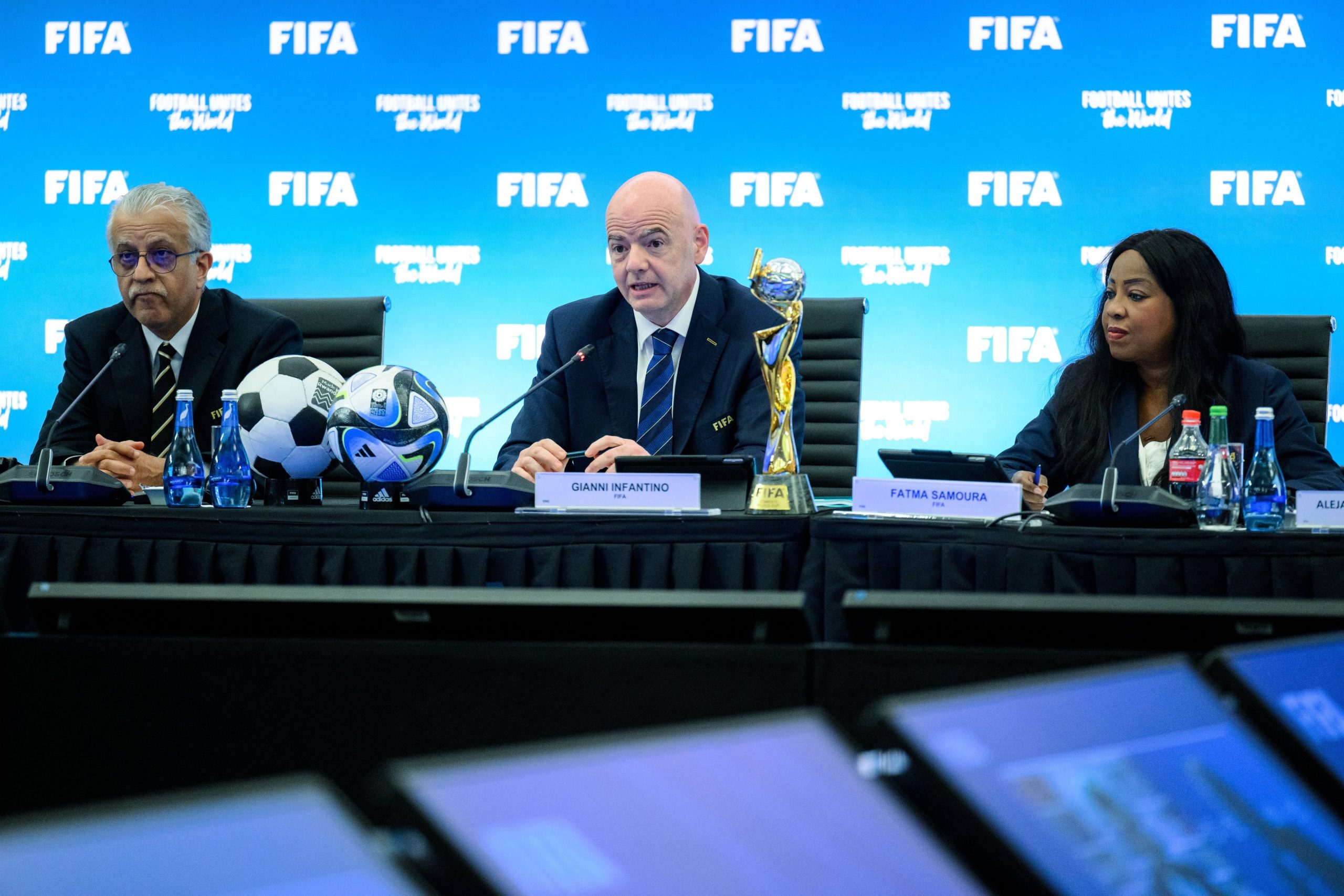
FIFA confirmed that referee Omar Abdulkadir Artan will miss the 2026 World Cup after being denied entry into the United States.
FIFA said it does not handle visa decisions, and the final approval rests with the host country’s immigration authorities, which have not changed his status.
Ciise Aden Abshir, an adviser to Somalia’s Ministry of Youth and Sports, described the decision as a blow to football’s values, saying it undermines “fairness, merit, and the spirit of fair play”.
Four countries affected by either full or partial U.S. travel restrictions have qualified for the World Cup. Iran, Haiti, Côte d’Ivoire, and Senegal are the only four countries listed above that face U.S. travel restrictions.
Among the qualified teams, Iran is the most prominent nation facing deep restrictions.
Iran, one of Asia’s leading football powers, has reportedly been forced to base itself in Mexico during the tournament because of concerns surrounding entry procedures and political tensions with the United States.
Players and team staff are expected to travel to the U.S. only when required for matches.
Although FIFA athletes and accredited team personnel have generally been granted exemptions, uncertainty remains for support staff, media workers, referees and other officials.
The Artan case has demonstrated that holding accreditation or even a valid visa may not always guarantee entry into the United States.
Fans could face the greatest challenges. Supporters from affected countries may encounter lengthy visa processes, additional screening requirements or outright travel barriers.
The World Cup is celebrated for its unique atmosphere, created by fans travelling across continents to support their nations.
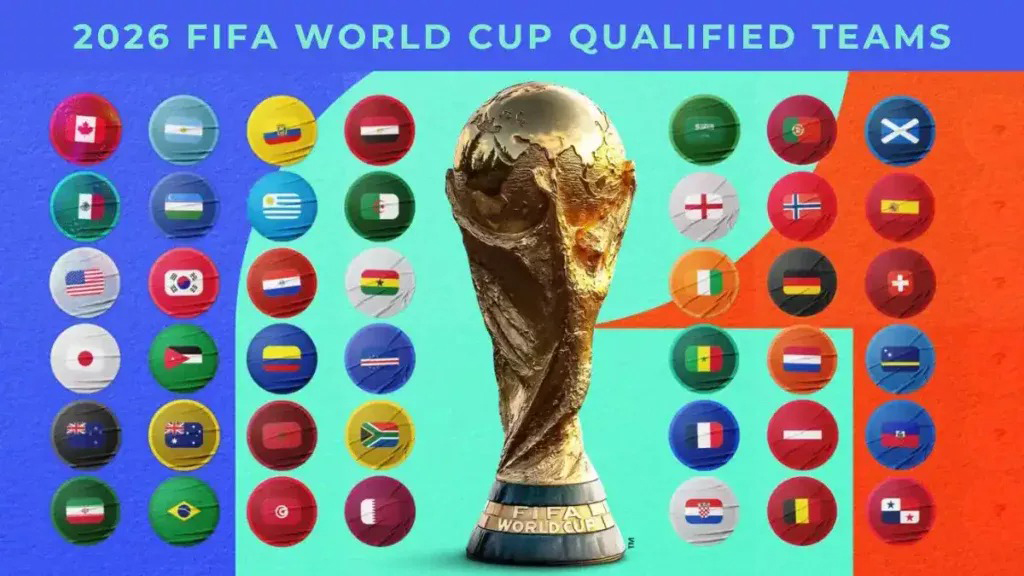
Any reduction in fan participation would affect not only the spectacle inside stadiums but also local tourism and business activity in host cities.
Football analysts have also questioned whether restrictions could create an uneven tournament environment.
Teams whose supporters face travel difficulties may find themselves playing in front of smaller fan contingents compared with those that can travel freely.
This could influence the atmosphere surrounding key matches.
FIFA President Gianni Infantino has repeatedly promoted the World Cup as a global event that brings people together across political, cultural and national divides.
However, the governing body now faces one of its most significant logistical and diplomatic challenges.
While FIFA has so far maintained that accredited participants will be supported and has opened discussions regarding cases such as Artan’s, concerns remain over whether the tournament can truly deliver on its promise of inclusivity.
With the World Cup set to welcome teams from every corner of the globe, the coming days will reveal whether football can overcome political barriers or whether travel restrictions will become one of the defining stories of the tournament.