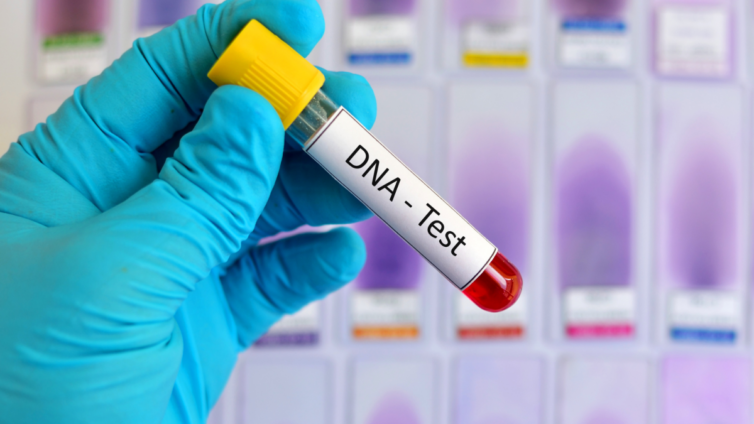
I strongly advocate for the introduction of a national policy in Ghana to make DNA testing mandatory at birth for all newborns, subject to appropriate ethical, legal, and data-protection safeguards.
My advocacy is primarily driven by my commitment to addressing health challenges, preventing disease, promoting public health, and tackling societal maladies that affect individuals, families, and communities.
DNA testing at birth should not be viewed solely through the lens of establishing biological parentage. Rather, it should be considered as a potential public health intervention that could contribute to a better understanding of genetic risks, hereditary diseases, and the health needs of every child from the earliest stage of life.
Every child is born with a unique genetic profile. Early identification of inherited genetic conditions and genetic predispositions could potentially enable healthcare professionals to provide appropriate counselling, monitoring, preventive interventions, and timely treatment. In certain circumstances, early knowledge of genetic risks could help families and healthcare providers make informed decisions that may improve health outcomes and quality of life.
A well-designed national DNA-at-birth programme could also contribute to the development of a more comprehensive understanding of genetic and hereditary health conditions within the Ghanaian population. With appropriate safeguards and the use of anonymised and aggregated information, such data could potentially support public health research, epidemiological studies, and the development of targeted strategies for preventing and managing genetic and hereditary diseases.
Beyond individual health, accurate biological information may also help address certain societal challenges associated with uncertainty about biological identity and family medical history. Knowledge of biological relationships can, in appropriate circumstances, provide valuable information about inherited health risks and facilitate a more accurate understanding of family medical histories.
However, the introduction of mandatory DNA testing must be approached with great care. Genetic information is among the most sensitive forms of personal information. Any national programme must therefore be governed by robust legislation and strict safeguards relating to privacy, confidentiality, data security, informed consent, ethical oversight, and the dignity and best interests of every child.
There must also be clear rules governing who can access genetic information, how long it may be stored, for what purposes it may be used, and how it must be protected from misuse, unauthorised disclosure, discrimination, or commercial exploitation.
I therefore call for a national dialogue involving the Government of Ghana, Parliament, the Ministry of Health, the Ministry of Justice and Attorney-General’s Department, the Ghana Health Service, healthcare professionals, geneticists, public health experts, ethicists, legal practitioners, civil society organizations, and other relevant stakeholders to critically examine the feasibility, benefits, risks, and ethical implications of mandatory DNA testing at birth.
The objective should not be to promote conflict within families or to invade personal privacy. Rather, the focus should be on preventing disease, identifying health risks early, strengthening healthcare systems, improving health outcomes, and addressing societal problems through responsible, ethical, and evidence-based interventions.
As a public health professional, I believe that Ghana must continuously explore innovative approaches to disease prevention and health promotion. We must move beyond a healthcare system that primarily responds to illness after it occurs and increasingly embrace preventive, predictive, and evidence-based healthcare.
If appropriately designed, ethically regulated, and supported by robust data-protection mechanisms, a national DNA-at-birth programme could become a component of a broader strategy to protect the health and wellbeing of future generations.
My position is simple: we must be proactive rather than reactive. We should identify health risks early, prevent disease where possible, and use science responsibly to build a healthier Ghanaian society.