South Africa is facing mounting criticism across the continent as rising xenophobic attacks against foreign nationals continue to damage the country’s image, strain diplomatic ties, and even football support across Africa.
Government officials in South Africa have warned that the violence is no longer only a domestic issue, as backlash against South African businesses, artists, and citizens begins spreading across Africa.
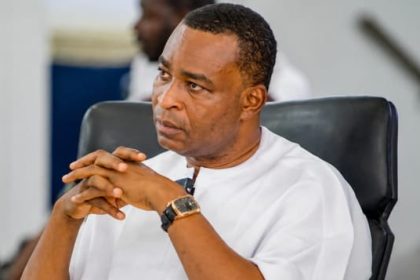
Justice Minister Mmamoloko Kubayi says the recent wave of attacks threatens social cohesion and risks isolating South Africa from the rest of the continent.
Football reflects the pain
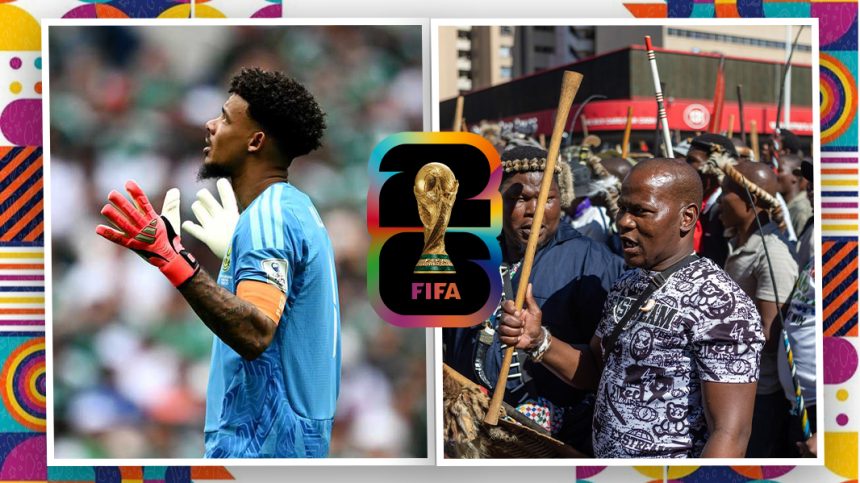
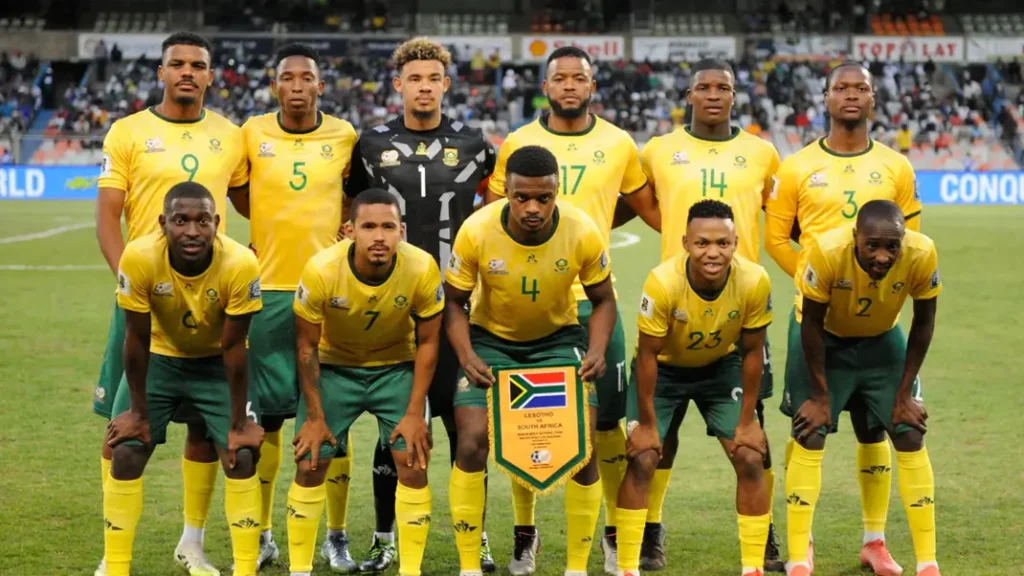
The growing tension became painfully visible during South Africa’s opening match defeat to Mexico at the ongoing 2026 FIFA World Cup.
South African captain Ronwen Williams admitted the team was emotionally affected after noticing that many African fans supported Mexico instead of South Africa during the match.
“Africans have always supported fellow African countries at the World Cup, but this time it was different,” Williams said.
“We almost shed tears. As Africans, we must stand together.”
His comments immediately sparked reactions online, with many Africans arguing that South Africa’s repeated xenophobic attacks against fellow Africans have weakened the spirit of continental unity.
For many observers, the football atmosphere reflected a deeper frustration building across Africa.
Xenophobic attacks spark continental backlash
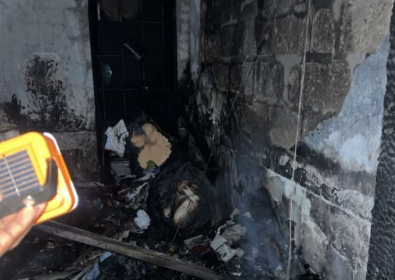
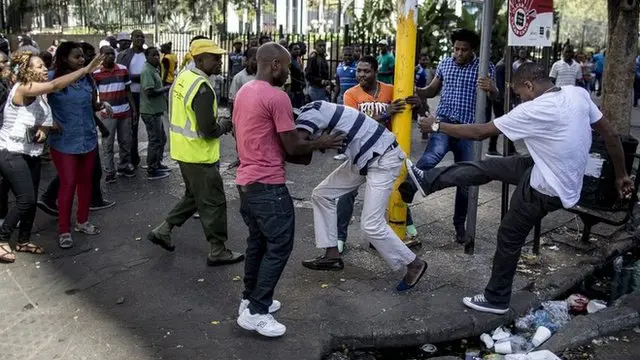
In recent weeks, South Africa has witnessed protests and attacks targeting foreign nationals, including migrants legally living and working in the country.
Anti-immigrant groups blame foreigners for rising unemployment and crime, intensifying tensions ahead of local elections later this year.
Speaking at a government briefing, Justice Minister Kubayi urged South Africans to reject vigilantism and allow authorities to handle immigration matters through legal channels.
“We believe this can hurt not only the country’s brand, but also social cohesion,” she warned.
Kubayi also revealed that South African musicians and entertainers are beginning to face consequences abroad, with several performances across African countries reportedly being cancelled because of the backlash.
South African businesses operating across the continent are also experiencing increasing hostility, forcing government officials to step in with support measures.
Adding to concerns, reports suggest that even some South African citizens have been targeted by anti-immigrant groups simply because of how they speak, look, or sound.
African countries begin repatriations
Several African countries, including Ghana, Malawi, and Mozambique, have started repatriating citizens from South Africa due to safety concerns.
Malawi confirmed that buses were transporting hundreds of nationals home from Durban following fears over continued violence.
World Health Organization Director-General Tedros Adhanom Ghebreyesus described the attacks as “heartbreaking” and called them a “tragic betrayal” of African nations that once supported South Africa during the anti-apartheid struggle.
Tedros stated that five Ethiopians and five Mozambicans had reportedly been killed during the violence.
However, South Africa’s foreign ministry disputed parts of the report, saying the Ethiopian deaths were linked to organised crime rather than xenophobic attacks, while investigations into the Mozambican deaths remain ongoing.
Foreign ministry spokesperson Chrispin Phiri said the government deeply regretted the loss of life, adding that “one life lost is one too many.”
A growing threat to African unity
For decades, African solidarity has been strongest during moments of shared struggle, especially in football, music, politics, and culture.
Whenever one African nation represented the continent on the global stage, support traditionally came from across Africa.
But South Africa’s recent experience suggests xenophobia is beginning to erode that unity.
What happened during the World Cup match may have seemed symbolic, but for many South Africans, it served as a painful reminder that violence and division at home can shape how the rest of Africa responds to the country abroad.
Analysts warn that unless xenophobic tensions are addressed decisively, South Africa risks damaging not only its economy and international reputation, but also the emotional connection it once shared with the rest of the continent.