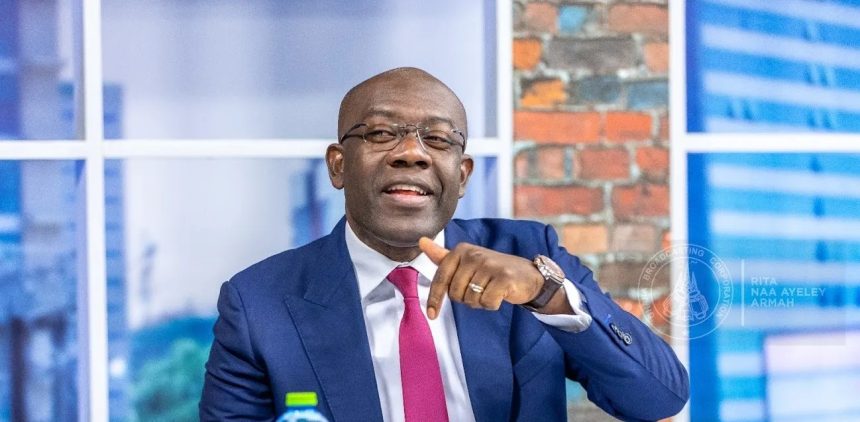
Ofoase-Ayirebi Member of Parliament Kojo Oppong Nkrumah has welcomed what he describes as an important aspect of the Supreme Court’s ruling dismissing his application to stop selected criminal trials from being heard during the ongoing legal vacation.
According to Mr Oppong Nkrumah, the court has acknowledged that some cases are being treated differently and given priority for faster hearing, although it ruled that the practice does not violate the 1992 Constitution.
Speaking to the media after the ruling, the MP said the court’s position raised significant issues that his legal team would study carefully.
He explained that while the court recognised that certain cases were being handled differently and expeditiously, it did not provide, in his view, a clear reason for the difference in treatment.
Oppong Nkrumah said his lawyers had requested a certified copy of the judgment to enable them to examine the court’s reasoning before deciding on their next course of action.
He also indicated that he had not ruled out seeking a review of the decision.
The Supreme Court on Friday, August 21, 2026, dismissed his interlocutory injunction application seeking to prevent selected High Court judges from conducting criminal trials during the legal vacation.
Justice Gabriel Pwamang, sitting as a single judge, dismissed the application, allowing the affected cases to proceed under administrative warrants issued by Chief Justice Paul Baffoe-Bonnie.
Oppong Nkrumah had challenged the constitutionality of the warrants and sought an injunction to suspend their operation until the substantive case was determined.
The legal vacation runs from August 1 to September 30, 2026.
The MP maintains that selecting particular criminal cases for hearing during the vacation amounts to selective justice and is inconsistent with constitutional provisions on equality and fair treatment.
However, the Supreme Court found that the arrangements did not breach the constitutional provisions cited by Oppong Nkrumah.