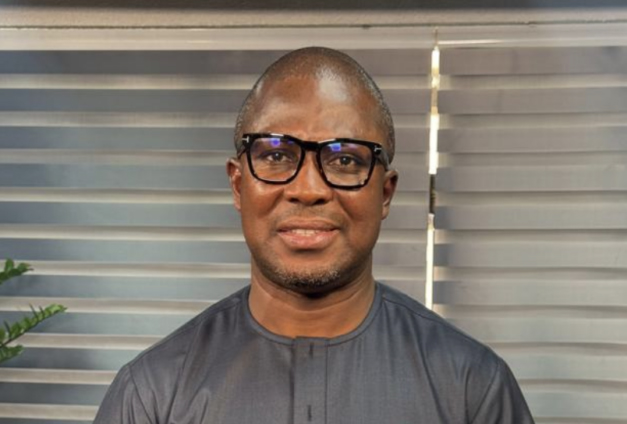
Director-General of the Social Security and National Insurance Trust (SSNIT), Kwasi Afreh Biney, has advised against making a quick decision to increase Ghana’s retirement age.
He believes that extending the retirement age could limit job opportunities for young people and keep many of them out of work for an additional five to seven years.
Mr Biney admitted that changes in Ghana’s population structure have fueled calls for people to stay in employment longer.
He noted that many Ghanaians are now living longer and remain healthy and active well beyond the age of 60.
“I agree that the demographic numbers have shifted rapidly. A lot more people today in Ghana are living longer, are much stronger even after 60, I agree,” he said.
Despite this, he stressed that policymakers must consider more than just life expectancy when discussing retirement age reforms.
“But a decision to extend retirement goes beyond just that. You need to consider factors like your employment rate, unemployment numbers, and availability of jobs,” he stated.
His remarks come at a time when public debate is growing over whether workers should remain in active service for longer before receiving pension benefits.
Many retirees continue to take up jobs in the private sector after leaving public service, adding to the discussion.
Mr Biney argued that the country should not leave such an important decision to a single institution. Instead, he called for broad consultations among all relevant stakeholders.
“So we all need to go and sit together as stakeholders, brainstorm, deliberate, and ultimately come to the point where we all make a decision, rather than an individual institution like SSNIT deciding, guys, let’s run,” he said.
He also pointed out that increasing the retirement age would have a direct impact on the pension scheme. According to him, workers would contribute to the system for a longer period, while pension payments would be delayed.
“Of course, if you extend the pension years from, let’s say, 60 now to 65 or 67, what it practically means is that my payout now will reduce whilst more contributions will come in,” he explained.
While this could strengthen the pension fund financially, Mr Biney warned that the country must also think about the consequences for young job seekers.
Keeping older workers in their positions for longer could reduce the number of vacancies available to new entrants into the labour market.
“How do we just oppose that against probably creating another backlog of five to seven years on unemployed youth who could have come into the employment bracket?” he asked.
Mr Biney maintained that Ghana must carefully balance several national priorities before making any decision.
These include protecting the long-term sustainability of pensions, addressing unemployment, and creating opportunities for the country’s growing youth population.
“So we need all of us to sit down, look at the numbers, look at the various alternatives, the opportunity cost of taking a particular decision against the other, and then we take a much more comprehensive decision,” he said.