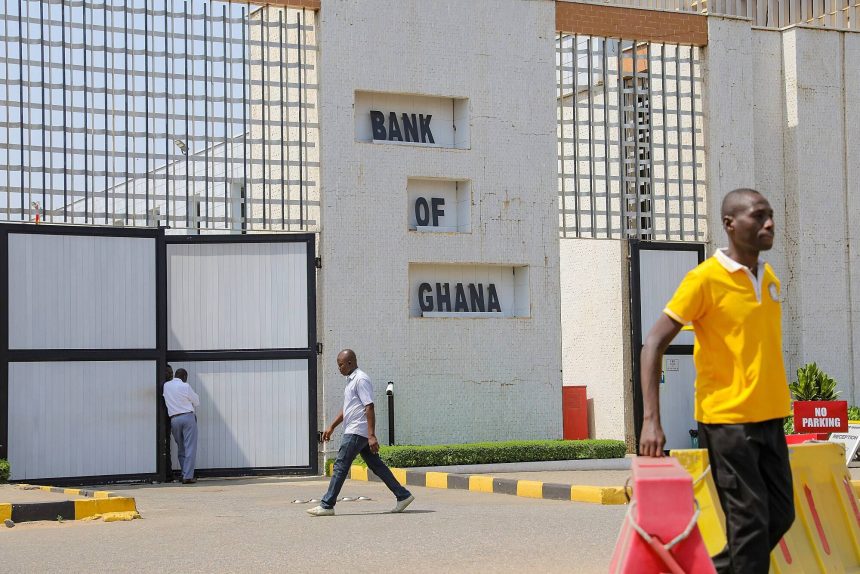
A recent surge in hiring at the Bank of Ghana (BoG) in 2025 has raised fresh concerns about the cost of running government institutions, especially at a time when the country is under financial pressure.
Annual reports from BoG indicate that the central bank recruited a significant number of staff within a short period, prompting questions about how this aligns with the government’s promise of maintaining a lean administration.
The government hired 304 staff in 2025 alone, making it the highest annual increase in workforce since at least 2012.
The closest to the highest annual hiring since 2012, which saw an annual increase of 280, was in 2016 during President Mahama’s first term in office.
The government has often defended its decision to reduce the number of ministries, arguing that fewer ministries mean lower public spending.
However, the sharp increase in employment at the BoG appears to tell a different story. While ministries may be fewer, expanding the workforce in key institutions can still lead to higher wage bills, increased administrative costs, and greater pressure on public finances.
This development also raises concerns in relation to Ghana’s ongoing programme with the International Monetary Fund (IMF).
The IMF programme typically encourages fiscal discipline, including controlling public sector wage growth and limiting unnecessary spending.
A large hiring drive, especially within a state institution, could be seen as inconsistent with these goals, potentially affecting confidence in the country’s commitment to reforms.
Additionally, the BoG has recently reported financial losses, making the timing of the recruitment even more concerning.
Increasing staff numbers naturally leads to higher operational costs, including salaries, benefits, and logistics. If not matched with improved productivity or revenue generation, such expansion can deepen existing financial challenges.