
Private legal practitioner Maurice Ampaw has questioned the independence of Ghana’s judiciary following the conviction and sentencing of Ashanti Regional Chairman of the New Patriotic Party (NPP), Bernard Antwi-Boasiako, popularly known as Chairman Wontumi.
Speaking in an interview, Ampaw claimed that the judiciary is under the influence of President John Dramani Mahama, an allegation he said has become more apparent after the court’s decision in Wontumi’s case.
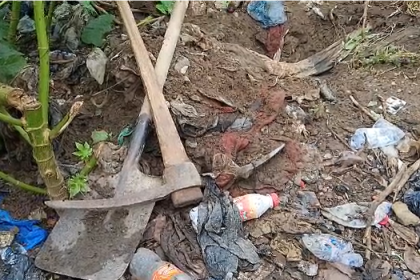
Chairman Wontumi was recently sentenced to 20 years’ imprisonment with hard labour after being found guilty of offences related to illegal mining, commonly known as galamsey.
The ruling has generated intense public debate, with supporters of the NPP expressing disappointment while others have described the judgment as a demonstration of the country’s commitment to fighting environmental crimes.
Reacting to the verdict, Ampaw disclosed that Wontumi’s legal team is preparing to challenge both the conviction and the sentence at the Court of Appeal.
He expressed confidence that the legal process would continue but admitted that the appeal could face significant challenges.
According to him, the current judicial environment does not inspire confidence, and he claims that political interference could affect the outcome of the appeal.
“We’ll go for appeal but now that the judiciary is in Mahama’s pocket, it will take the grace of God,” Ampaw alleged during the interview.
He further questioned the credibility of the country’s judicial system, arguing that recent developments have weakened public trust in the courts.
“We’ve seen that we cannot trust the judges in this country,” he added.
Ghana’s Constitution guarantees the independence of the judiciary, and the Judicial Service has consistently maintained that judges are expected to carry out their duties without external interference.
As Wontumi’s legal team prepares to file an appeal, attention is expected to shift to the appellate courts, where the conviction and sentence will be reviewed in accordance with Ghana’s legal procedures.
The outcome of the appeal is likely to remain a closely watched development in the country’s political and legal landscape.