The African Youth Water Forum (AYWF) has urged African governments and development partners to make urgent investments in climate-resilient water and sanitation infrastructure, warning that worsening floods across West Africa are putting millions of people at risk.
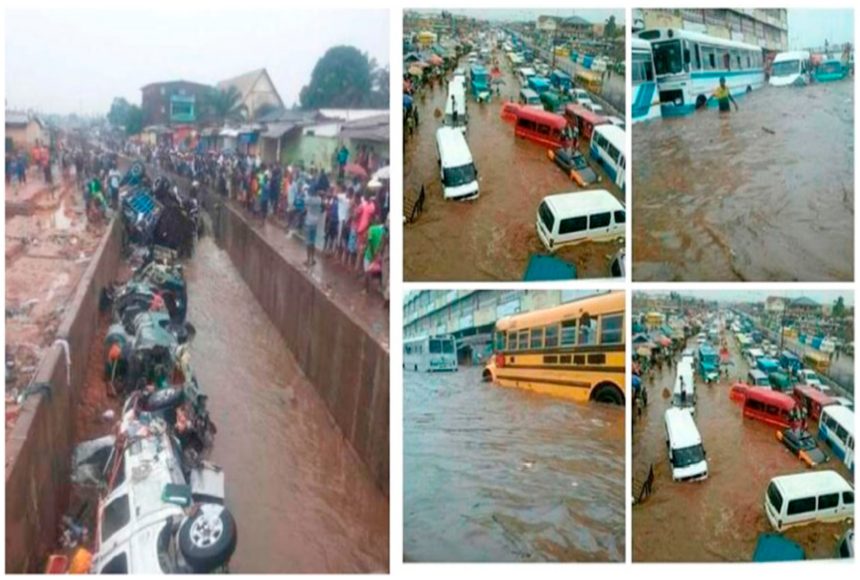
In a statement issued in Accra, the youth-led organisation said recent floods in Ghana, Togo and Nigeria have exposed how vulnerable the region’s water and sanitation systems are to climate change.
It noted that the destruction of drinking water sources, sanitation facilities and other essential infrastructure is making access to safe water increasingly difficult.
According to the Forum, floodwaters have contaminated wells, boreholes and public toilets in many affected communities, increasing the risk of diseases such as cholera, typhoid fever and other waterborne infections.
AYWF praised the Government of Ghana and emergency response agencies for their rescue and relief efforts following the recent floods in Accra, which claimed lives, displaced families and destroyed homes and public infrastructure.
The Forum also welcomed the government’s financial support for recovery and flood prevention but stressed that long-term solutions require sustained investment in stronger drainage systems and climate-resilient water infrastructure.
The statement further highlighted the impact of severe flooding in Togo, where nearly 24,000 people have been affected.
It also noted that flooding remains one of Nigeria’s most devastating climate-related disasters, regularly affecting hundreds of thousands of people and causing widespread damage to infrastructure.
AYWF said the problem extends beyond these three countries, pointing out that more than 411 million people in Sub-Saharan Africa still do not have access to safely managed drinking water.
It warned that flooding further contaminates already limited water sources, increasing the risk of disease outbreaks and worsening humanitarian conditions.
The Forum’s Convener, Joseph Tettey Afangbe, called on African leaders to shift their focus from responding to disasters to preventing them.
“Floods should never become a death sentence or a public health emergency simply because communities lack resilient water systems. Every flood that contaminates a well or borehole reminds us that climate resilience begins with safe water.”
AYWF encouraged governments to identify water and sanitation facilities in flood-prone areas, invest in stronger climate-resilient infrastructure, develop emergency safe-water response plans, include water safety in national flood early-warning systems and intensify public education on hygiene and flood preparedness.
The Forum also appealed to development partners, regional organisations and other stakeholders to increase funding for resilient water infrastructure, strengthen early-warning systems and support youth-led research and innovation.
AYWF concluded that Africa cannot continue rebuilding fragile water systems after every flood. It called on governments, the African Union, regional institutions, civil society organisations, development partners and the private sector to make safe water a central part of climate adaptation and disaster preparedness efforts.