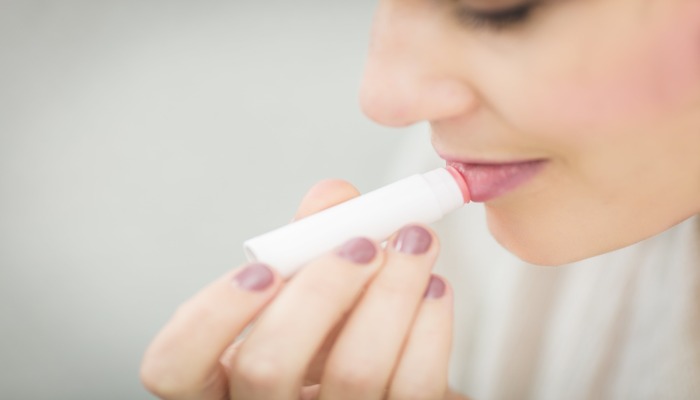
The multi-billion-dollar makeup and skincare industry has exploded exponentially, with beauty influencers creating an enormous demand for cosmetics. While many beauty products achieve aesthetically pleasing results, they often contain ingredients that correlate with a variety of concerning health risks. These include allergies, lung diseases, skin diseases, neurological disorders, organ failure, reproductive harm, and cancer.
According to a 2024 Analysis, as new personal care products are launched daily for commercial use, the U.S Food and Drug Administration (FDA) has difficulty enforcing ingredient safety. But surprisingly, this issue also applies to “natural” and “organic” cosmetics — they also contain synthetics and contaminants.
Unlike pharmaceuticals, the FDA doesn’t test or examine cosmetic ingredients for safety. Even though cosmetic manufacturers must show their safety data if anyone asks, the government doesn’t require them to provide this data before selling the product.
Except for color hair dyes, there’s no pre-market FDA approval for beauty products. The manufacturer must label their products, listing all of the intentionally included ingredients—and ensure that they’re at safe levels—but it’s just a routine notice. They don’t need to list any unintentional trace contaminants or conduct studies to determine if their products can cause cancer. These contaminants ultimately pollute our sewage treatment plants.
Furthermore, the FDA allows manufacturers to list a product’s scent as simply “fragrance,” a term that can conceal hundreds of unknown, potentially hazardous chemicals. Manufacturers are disastrously left to self-regulate. The Modernization of Cosmetics Regulation Act of 2022 made several improvements, but it didn’t address these serious flaws. We urgently need legislative reform in this area so that cosmetic manufacturers show more transparency.
Cosmetic Ingredients That May Pose Risks
Preservatives
Used to prevent mold and stabilize products, preservatives include parabens, formaldehyde releasers, BHA, BHT, and others. Nail polish, hair straighteners, lip products, eyelash glue, soaps, conditioners, and shaving products all contain preservatives. Even with minimal skin absorption, parabens can disrupt hormonal activity. A 2010 study showed evidence of reproductive harm from exposure to parabens, while one 2023 study linked them to the growth of breast cancer tumors.
Phthalates
Often hidden under the labels “fragrance” or “parfum,” these compounds, called “phthalates,” make scents last longer. Found in perfumes, cosmetics, nail polish, shampoos, hair straighteners, and hairsprays, phthalates are hormone disrupters definitively linked to reproductive harm and inconclusively linked to breast cancer.
Colorants
These chemicals give cosmetics their color. They include pigments (like titanium dioxide, iron oxide, and carbon black) and synthetic dyes. Synthetic dyes, like FD&C colors, provide the color in bright lipstick shades, hair dyes, and foundations. The mineral titanium dioxide, which we can find in sunscreen, correlates with cell damage, while synthetic dyes can have traces of heavy metal contaminants from manufacturing.
Contaminants
Although manufacturers don’t intentionally add heavy metals and contaminants to cosmetics, these harmful substances enter through raw materials or the environment and build up over time. In lipsticks, glosses, kohl eyeliner, and metallic eyeshadow, we may find lead, cadmium, and chromium in trace amounts. Lead can be deadly, even in small amounts, and benzene, found in aerosol sunscreen, is linked to leukemia and DNA damage.
Your exposure risk to cosmetics depends on the number of products that you use and how often you reapply them. Manufacturers are moving away from higher-risk preservatives, but sometimes the alternatives still aren’t safe.
How to Select Lower-Risk Personal Care Products
Choose brands that test raw materials for contaminants and conduct batch testing for lead, arsenic, and cadmium.
Look for brands’ safety data.
Avoid unregulated imports and low-cost online products. The U.S., EU, and Canada have higher safety standards than many other countries.
Select brands with certifications like “EWG” (U.S.), “NSF/ANSI 455- 3” (International), or “COSMOS-standard” (EU-based).
Rotate trusted personal care brands to avoid repeated exposure.
Look for “fragrance-free” brands.
Choose lip colors in light pinks and nudes, avoiding dark or bright pigments. Use liquid foundation instead of powder.
Remove makeup thoroughly at night.
Finally, purchase cosmetic brands, like Counter or Crunchi, that test for heavy metals and contaminants. You can also download the free mobile apps Yuka or Think Dirty, available on Google Play and the Apple App Store, to quickly scan ingredients for toxicity ratings and explore product recommendations. Together, let’s make the beauty industry safer.
Find your representative here to support The Safer Beauty Bill Package of 2025 and ensure uncompromised beauty products and a cleaner environment!