
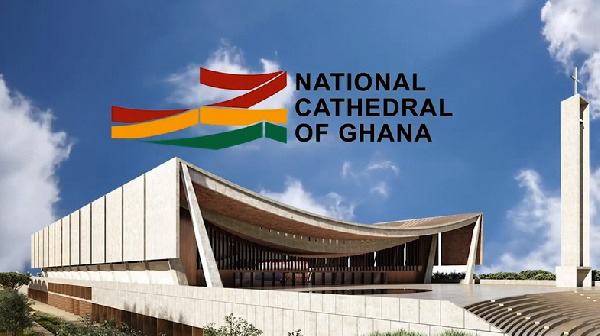
Lawyer for the National Cathedral project, Charles Owusu Juanah, has defended the controversial initiative, insisting that allegations of wrongdoing surrounding the project are false and unsupported by evidence.
Speaking in an interview, Lawyer Juanah said several investigations into the project had failed to establish any wrongdoing.
According to him, reports submitted to President John Dramani Mahama did not lead to any legal or administrative action because the claims against the project could not be proven.
He argued that the absence of sanctions against officials connected to the National Cathedral project shows that accusations of corruption, financial mismanagement, and procurement breaches lacked merit.
Lawyer Juanah maintained that the project had been unfairly attacked in the public domain, largely due to political interests and misinformation.
“The fact that no action has been taken after all the investigations shows that the allegations were not true,” he stated during the interview on Kessben TV.
The National Cathedral project has remained one of Ghana’s most debated national initiatives since it was announced.
Originally proposed as a national Christian worship centre and symbol of unity, the project has faced criticism from sections of the public, civil society groups, and political opponents over concerns about funding, transparency, procurement processes, and the use of public resources.
Questions have also been raised about the amount of state funds spent on the project and whether the initiative should continue amid the country’s economic difficulties.
Critics have repeatedly called for greater accountability and disclosure regarding contracts and expenditure linked to the project.
Despite the controversy, Lawyer Juanah insisted that official reports have cleared the project of the accusations levelled against it.
He said many of the claims circulated in the media and political space were misleading and not supported by facts.
The National Cathedral Secretariat and supporters of the project have also defended the initiative in the past, arguing that it remains an important national monument intended to promote faith, culture, and tourism.