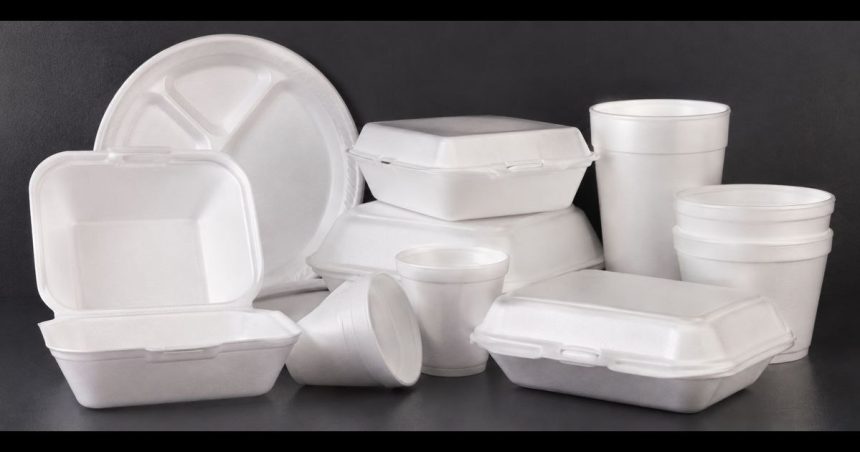
The Environmental Protection Authority (EPA) has announced a nationwide ban on the use of polystyrene foam products, commonly known as “takeaway packs,” beginning January 1, 2027.
The directive was issued in a statement signed by the EPA’s Acting Chief Executive, Prof. Nana Ama Browne Klutse, on May 25, 2026.
According to the Authority, the decision forms part of efforts to tackle the growing environmental and public health problems caused by plastic and polystyrene waste in Ghana.
The EPA explained that polystyrene foam products have become a major source of pollution in cities, towns, and water bodies across the country.
The products are difficult to recycle and often end up blocking drains, littering streets, and harming marine life.
Under the new directive, the importation, manufacture, distribution, sale, and use of all polystyrene foam products will be prohibited nationwide from January 2027.
The ban will affect several products and businesses that rely on foam packaging. Items listed in the directive include food packaging containers and takeaway packs, disposable cups and plates, foam trays used by restaurants and food vendors, cooling and insulation materials made from polystyrene foam, foam packaging and cushioning materials, as well as any other foam products intended for human use or consumption-related activities.
However, the EPA noted that the ban does not cover products specifically approved for medical, scientific, laboratory, or diagnostic purposes.
The Authority said the policy is aimed at promoting sustainable development, protecting public health, and ensuring compliance with environmental standards.
To prepare for the implementation of the directive, the EPA has asked manufacturers, importers, distributors, retailers, and users of polystyrene foam products to begin transitioning to environmentally friendly alternatives.
The Authority also announced plans to intensify public education and stakeholder engagement ahead of the enforcement date.
Activities will include nationwide awareness campaigns, technical consultations, and environmental inspections to ensure smooth compliance.
The EPA further revealed that it will work closely with the Ministry of Environment, Science, Technology and Innovation, Metropolitan, Municipal and District Assemblies, customs officials, industry regulators, and civil society organisations to enforce the policy.
The public has also been encouraged to support the initiative by adopting reusable and eco-friendly packaging options to help protect the environment.