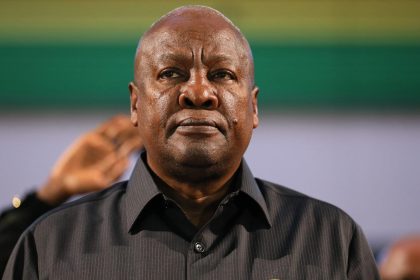
Dr. Mathew Opoku Prempeh (NAPO), former Minister of Education and the running mate to the New Patriotic Party’s (NPP) presidential candidate in the 2024 election, Dr. Mahamudu Bawumia, has called for bold and practical action from global donors to shape the future of education.
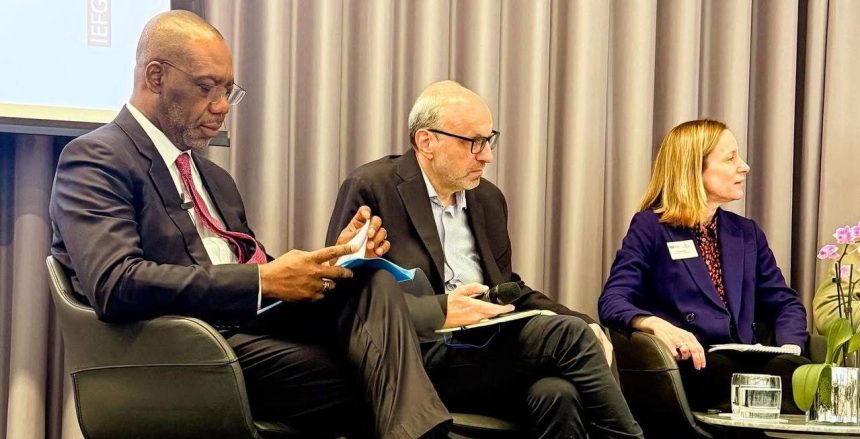
He made these remarks at the 2026 International Education Funders Group (IEFG) Together Annual Convening held in London.
NAPO joined a panel of global thinkers, practitioners, and young leaders to discuss the changing role of philanthropy in education.
The discussion focused on major global shifts, including declining international aid, rising isolationism, and the growing impact of artificial intelligence on teaching and learning.
Speaking during the session, Dr. Prempeh noted that education systems around the world are under pressure to adapt quickly.
He explained that while technology, especially artificial intelligence, is creating new learning opportunities, it is also raising concerns about inequality and access.
He also highlighted the growing challenge of misinformation and fragmented digital spaces, which are affecting how people access knowledge and build trust.
According to him, these issues make it even more important for education systems to be strong, inclusive, and forward-looking.
Dr. Mathew Opoku Prempeh warned that philanthropy risks becoming irrelevant if it focuses more on discussions than on real impact.
He stressed that donors must move beyond funding conversations and commit to actions that produce measurable results.
“Supporting education systems is important, but we must ensure those systems deliver,” he emphasised.
He added that accountability should be at the center of all education investments.
The former minister described education as a key driver of national development. He noted that strong education systems can reduce inequality, support economic growth, and prepare young people for the future workforce.
He called on philanthropic organisations to take a more active role in building lasting solutions. This includes supporting governments, investing in innovation, and demanding results from funded projects.
He concluded by urging stakeholders to act with urgency. As global challenges continue to evolve, he said, decisions made today will determine the quality and accessibility of education for future generations.