Ghanaian filmmakers have been urged to tell authentic local stories, strengthen distribution networks and attract investment to take their productions to wider audiences.
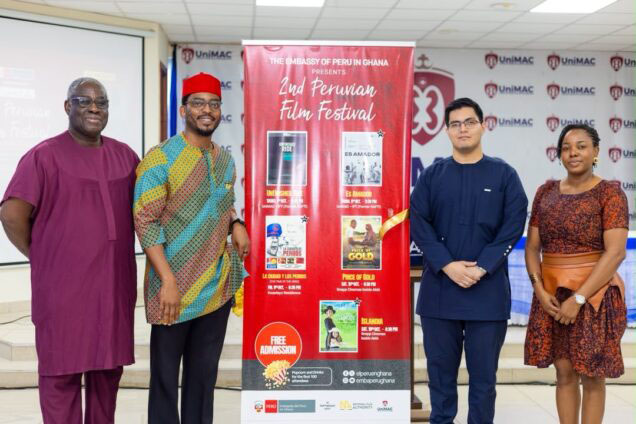
The call emerged at the launch of the second Peruvian Film Festival at the University of Media, Arts and Communication (UniMAC), South Legon campus, in Accra, on Thursday, 8 October 2026.
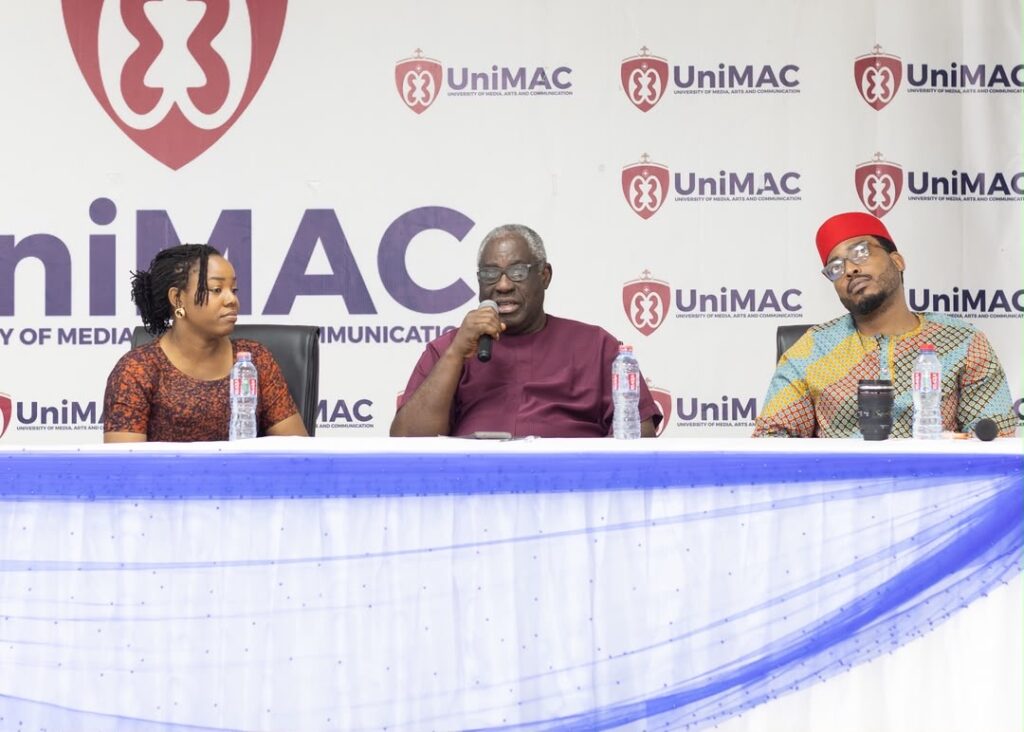
The event brought together Ghanaian and Peruvian cultural representatives, filmmakers, industry executives and students to examine how cinema can shape societies, preserve national identity and build cultural connections across borders.
The festival was organised by the Embassy of Peru in Ghana in collaboration with the National Film Authority (NFA) and UniMAC under the theme, ‘The Role of Film in Shaping Societies & Promoting National Culture on the Global Stage’.
Among those who contributed to the programme were Mr Jonathan Quevedo, Deputy Ambassador of Peru to Ghana; Kafui Danku-Pitcher, Acting Executive Secretary of the NFA; Dr Joseph Aketeman, Acting Head of the Department of Production Techniques and Digital Technologies at UniMAC; and filmmaker Rossana Díaz Costa, who joined the panel discussion virtually from Madrid.
Other panellists included James Gardiner, Deputy Executive Secretary of the NFA; filmmaker, producer and director Yaw Firempong Boakye; and filmmaker and creative director Epiphania Sarah Ama Ablorde. The discussion was moderated by Matilda Ntir iwaa Kyei, Cultural Promotion and Public Diplomacy Officer at the Embassy of Peru. UniMAC students also participated in a question-and-answer session with the speakers.
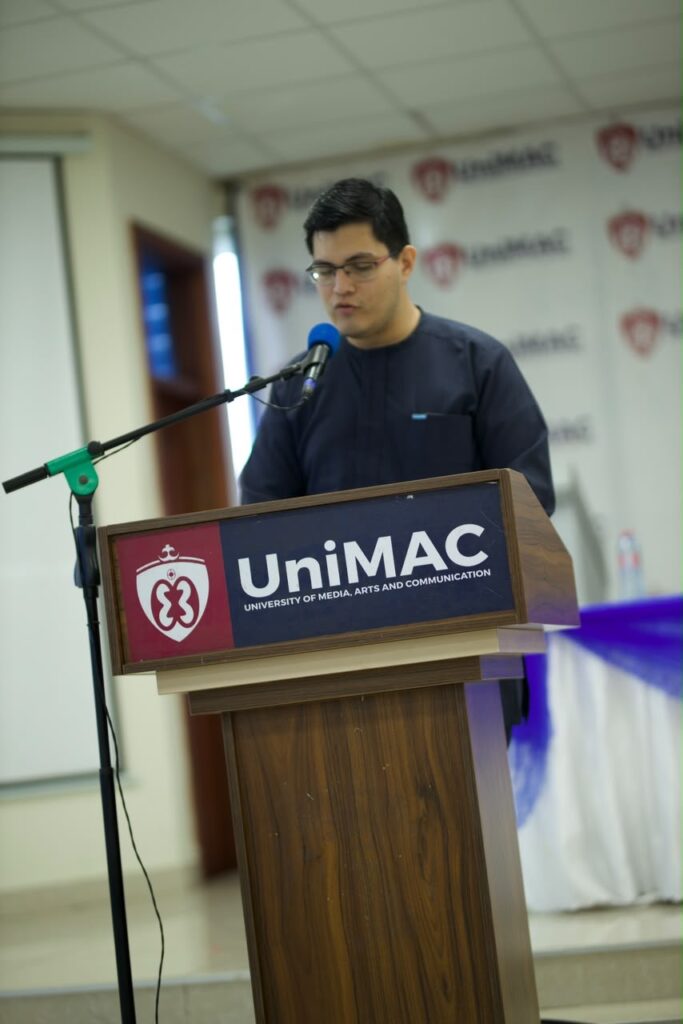
Delivering the opening remarks, Mr Jonathan Quevedo said the festival was part of efforts by the Peruvian Embassy to strengthen relations between the two countries through culture, dialogue and mutual understanding.
He described cinema as a tool of cultural diplomacy capable of connecting societies, preserving collective memory and shaping how countries are perceived internationally. He said the festival was also intended to create opportunities for professional connections and future collaboration, including joint productions, academic exchanges and creative partnerships between Ghanaian and Peruvian film communities.
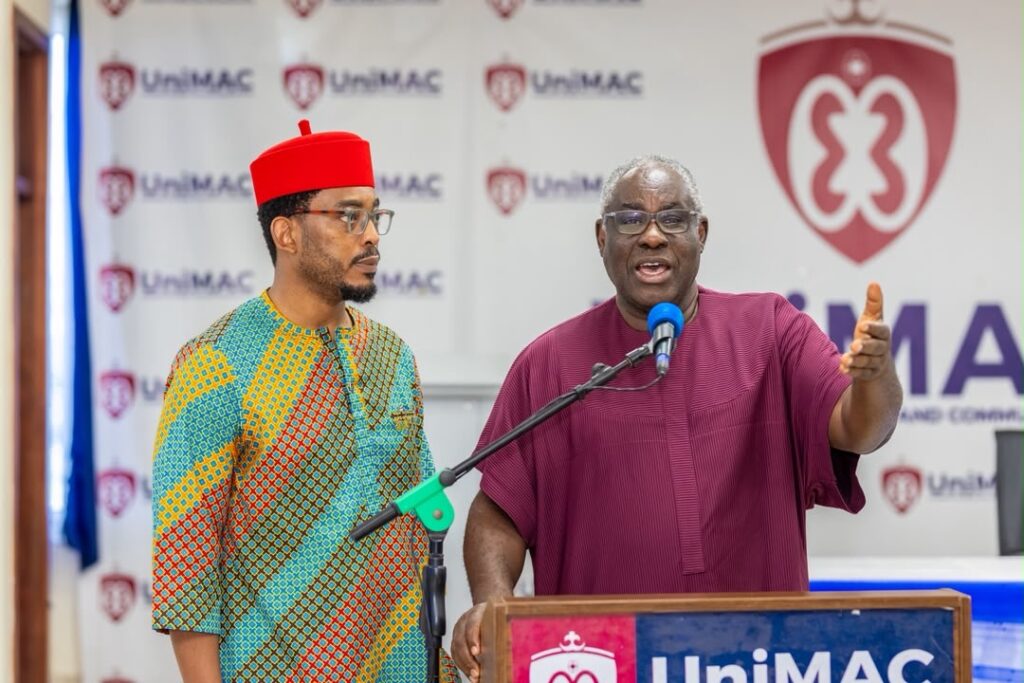
Dr Joseph Aketeman emphasised the importance of challenging dominant narratives and ensuring that films reflect the identities and cultures of the people they portray.
Drawing parallels between the historical representation of Peru and the experiences of African societies, he argued that both regions have had to confront stereotypical portrayals and the misrepresentation of their people.
He said the festival’s theme was particularly relevant in an increasingly globalised world, where telling authentic local stories remains essential to preserving cultural identity.
Dr Aketeman expressed hope that UniMAC would continue preparing students to challenge dominant narratives and develop film projects that reflect their own histories, identities and cultures.
Beyond the cultural exchange, discussions raised a critical question for Ghana’s film industry: how can local productions compete internationally without losing the cultural identity that makes them distinctive?
For Ghana, film offers an opportunity to preserve traditions, document lived experiences, promote local languages and introduce the country’s culture to international audiences. Yet compelling stories alone cannot guarantee success. Filmmakers also need sustainable financing, effective distribution, accessible screening spaces and audiences willing to support their work.
Delivering the keynote address, Kafui Danku-Pitcher highlighted cinema’s potential to bring countries and people together.
‘Our countries may be separated by thousands of kilometres, but storytelling has a way of making distance disappear,’ she said.

She expressed hope that the festival would lead to lasting relationships, partnerships, co-productions and distribution opportunities between Ghana and Peru.
Such partnerships could offer filmmakers opportunities to exchange expertise, share resources and explore markets beyond their domestic audiences. They could also help Ghanaian productions reach international viewers without sacrificing the cultural perspectives that distinguish them.
During the panel discussion, filmmaker and producer Yaw Firempong Boakye argued that filmmakers do not necessarily have to create stories with a global audience as their starting point. A strong, authentic story can find an audience beyond its place of origin.
His argument challenges the assumption that Ghanaian filmmakers must dilute local experiences to appeal internationally. Stories rooted in Ghanaian history, language, music, food, customs and everyday life can offer audiences elsewhere a distinctive perspective on the country.
However, cultural authenticity must be matched by craft and preparation. Mr Boakye emphasised the importance of reading and research, telling aspiring filmmakers: ‘You need to be knowledgeable as a filmmaker.’
Filmmaker and creative director Epiphania Sarah Ama Ablorde brought the commercial realities of filmmaking into the conversation.
‘I’m very particular how marketable the film is,’ she said, underscoring the importance of considering a film’s potential audience and commercial prospects.
She also identified greater representation of Ghanaian productions on prominent platforms as a priority, saying she wanted to see ‘More Ghanaian films on the notable platforms’.
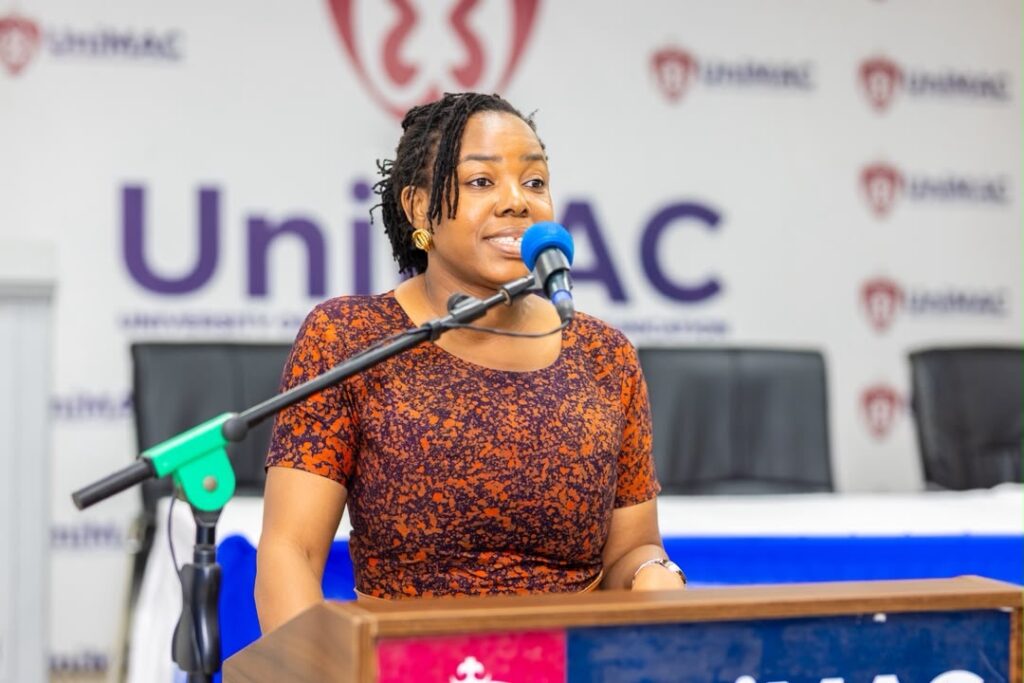
Her concerns reflect a challenge facing filmmakers who may produce stories with local appeal but struggle to secure distribution, visibility and access to larger markets.
James Gardiner, Deputy Executive Secretary of the NFA, highlighted the importance of casting and developing stories that promote Ghanaian culture.
He also discussed collaboration between filmmakers and writers, including the role of a script bank in strengthening the industry’s supply of stories. The NFA is currently discussing the initiative.
Peruvian filmmaker Rossana Díaz Costa, who joined the discussion virtually from Madrid, reflected on adapting a novel she first read at the age of 12. Her experience illustrated the patience and commitment that filmmaking demands.
‘You need a lot of patience if you want to be a filmmaker,’ she said.
The conversations come as Ghana seeks to address longstanding constraints in its film sector, including financing, distribution and cinema infrastructure.
The government has allocated GH¢20 million to the Film Development Fund, which is intended to support areas including production, script development, distribution, training and cinema infrastructure. The NFA opened applications for the fund in July 2026.
However, the allocation should not be confused with full disbursement. MyJoyOnline reported in June that GH¢5 million had been released at the time.
Funding remains only one part of the challenge. Filmmakers also need reliable routes to audiences, stronger production capabilities and better evidence of audience demand to encourage private-sector investment.
Danku-Pitcher also outlined plans for a cinema access initiative aimed at bringing the cinema experience to communities where conventional cinemas are unavailable or difficult to reach. Expanding access could help cultivate audiences and create more opportunities for Ghanaian films to be screened.
The Peru-Ghana exchange therefore highlighted a broader lesson: a thriving film industry requires more than talented storytellers. It needs a system that connects ideas to financing, productions to distribution and audiences to the stories created for them.
As Ghana and Peru explore the cultural possibilities of cinema, the challenge for Ghanaian filmmakers is to create work that can cross borders while remaining firmly rooted in the experiences and identities from which those stories emerge.