Fitch Ratings says the government may extend temporary fuel relief measures introduced to protect consumers from rising petroleum prices.
According to Fitch, the intervention could continue if the monthly fiscal cost stays below 0.1% of GDP and is balanced by savings in other areas of government spending.
The assessment was contained in Fitch’s latest report on Ghana, where the agency also upgraded Ghana’s Long-Term Foreign-Currency Issuer Default Rating (IDR) from ‘B-’ to ‘B’, with a Positive Outlook.
Fitch noted that the government may feel pressured to maintain the subsidy because higher fuel prices could worsen inflation.
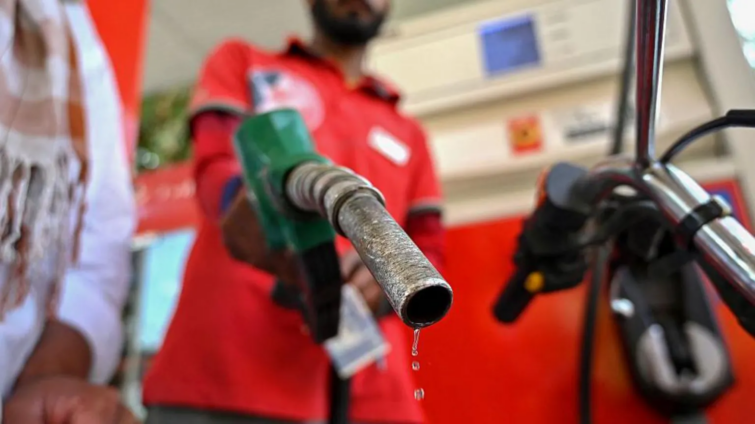
On April 16, 2026, the government introduced temporary measures to reduce the impact of rising global oil prices on consumers.
Under the policy, the state absorbed GH¢2 per litre on diesel and GH¢0.36 per litre on petrol.
The intervention, originally expected to last one month, is due to expire on May 16, 2026.
At the time, Government Communications Minister Felix Kwakye Ofosu said the decision was aimed at easing pressure from increasing global crude oil prices, which had pushed up local fuel prices, transport costs, and broader economic activity.
“Government remains committed to maintaining price stability, protecting livelihoods, and supporting Ghana’s economic recovery in the face of external shocks,” the statement said.
Global crude oil prices have started rising again after reports that U.S. President Donald Trump expressed dissatisfaction with a proposed peace plan involving Iran.
Brent crude prices have since climbed to around $105 per barrel.
Fuel prices in Ghana are expected to be reviewed again from May 16, with further increases likely if global oil prices remain high.
Petrol prices have already increased by between 0.10% and 0.51% per litre, while diesel prices have gone up by nearly 6.77%.
Prices of Liquefied Petroleum Gas (LPG) are also projected to rise by between 7.24% and 10.41%.
Industry analysts say the expected LPG increase reflects delayed adjustments under the current tender arrangement, which had earlier helped shield consumers from price hikes.
Fitch expects inflation to rise gradually toward the end of the year because of higher oil prices. However, the agency believes inflation will continue to ease on average through 2026 and 2027.
The agency also expects the Bank of Ghana to maintain a cautious monetary policy stance and pause further interest rate cuts to prevent inflation from accelerating.
On Ghana’s debt outlook, Fitch projects public debt will fall to 46% of GDP by 2027, below the 51% median for countries rated ‘B’.
The agency attributed the expected improvement to the cedi’s appreciation and stronger fiscal discipline.
Fitch further forecast average economic growth of 5% through 2027, supported by gold production, improving consumer confidence, easing inflation, and lower borrowing costs.
The agency also expects Ghana’s current account surplus to remain strong in 2026 after reaching a record 8.2% of GDP in 2025, driven largely by high gold prices.