The World Bank says delays in implementing Ghana’s energy sector recovery programmes are costing the country approximately $1 billion annually, putting additional pressure on public finances.
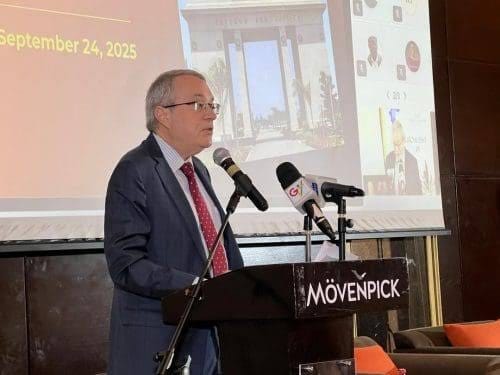
The World Bank Division Director for Ghana, Liberia and Sierra Leone, Robert R. Taliercio, disclosed this at the launch of the World Bank’s *Tenth Ghana Economic Update* in Accra.
According to him, persistent financial pressures in the energy sector remain one of the key domestic risks to Ghana’s economic recovery.
“Delays in energy sector recovery programmes cost the country approximately *$1 billion annually*,” Mr Taliercio said.
He described the cost as significant, warning that without decisive action to address the challenges in the sector, some of the fiscal gains achieved under Ghana’s economic reform programme could be reversed.
Mr Taliercio said the energy sector remains a major source of pressure on the country’s public finances and requires sustained reforms to improve its financial and operational performance.
He also pointed to challenges in the agricultural sector, particularly the financial and operational inefficiencies of the *Ghana Cocoa Board (COCOBOD)*, as another source of fiscal pressure.
The World Bank official stressed that Ghana’s recent macroeconomic gains must be supported by structural reforms to ensure that the recovery is sustainable.
Ghana’s economy grew by *6% in 2025* and accelerated to *6.4% in the first quarter of 2026, while public debt declined from **70.3% of GDP in 2024 to 49% at the end of 2025*.
However, Mr Taliercio cautioned that the recovery remains structurally incomplete and that maintaining fiscal discipline will be critical to sustaining the gains.
He said addressing the financial challenges in the energy sector would be essential to protecting Ghana’s fiscal position and creating the conditions for stronger private-sector investment and long-term economic growth.