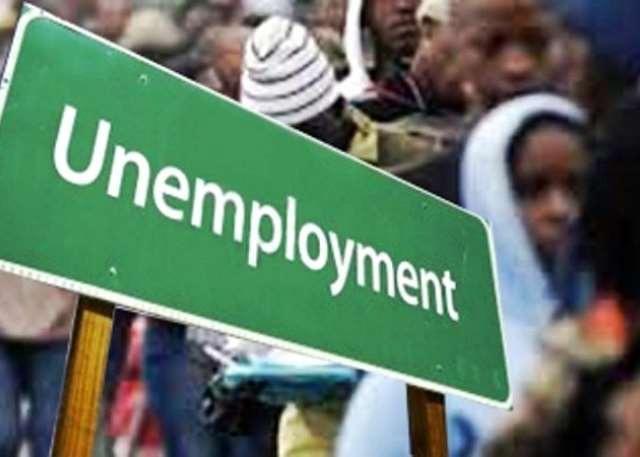
The African Development Bank (AfDB) has reported that unemployment and income inequality remain major challenges in Ghana despite signs of economic improvement.
In its Economic Outlook 2026 report, the Bank estimated Ghana’s unemployment rate at 13.1%, while inequality stood at 43.5%. The report noted that these figures suggest that the benefits of economic growth are not reaching all sections of society equally.
According to the AfDB, some groups continue to face greater difficulties in finding jobs than others.
“Unemployment disproportionately affects women (14.8%) and youth (32%),” it stated.
The report also highlighted the impact of financial constraints on government spending in 2024. It explained that limited funding affected programmes intended to support low-income and vulnerable populations.
However, the Bank noted that the government’s 2025/26 budget places greater emphasis on inclusive growth by increasing investment in key social sectors.
“While pro-poor spending was constrained by financing shortfalls in 2024, the 2025/26 budget aimed at supporting inclusive growth with increased allocations for social development, including human capital education and health”, it added.
Despite the ongoing challenges, the AfDB expressed optimism about Ghana’s economic prospects over the medium term, although it cautioned that certain risks remain.
The Bank expects inflation to continue falling and eventually return to single-digit levels. It attributed this outlook to exchange rate stability and continued commitment to prudent economic policies.
The report also projects that the fiscal deficit will remain within government targets, reaching 2.6% of Gross Domestic Product (GDP) in 2026 before declining further to 2.2% in 2027.
According to the AfDB, ongoing fiscal consolidation measures and progress in debt restructuring should support this improvement.
The Bank further expects Ghana’s current account balance to remain positive, projecting a surplus of 3.0% as the economy continues its recovery path.