About 80 per cent of Ghana’s land is held under customary ownership, with the remaining 20 per cent classified as public land, the Lands Commission has disclosed.
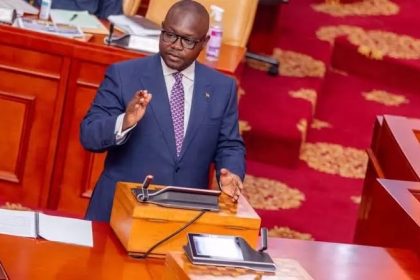
Deputy Executive Secretary of the Lands Commission in charge of Operations, Surveyor Raphael Hokey, said the country’s land ownership system presents significant challenges to effective land administration and orderly development.
Speaking during an interview on Wednesday, October 14, 2026, Mr Hokey explained that public lands comprise both state-owned and vested lands.
Under the vested land arrangement, customary owners retain the beneficial interest, while the state holds the legal interest.
He said the structure complicates the work of institutions responsible for managing land, as their authority does not always translate into complete ownership or control.
Mr Hokey identified multiple land sales, family disagreements and disputes over traditional leadership as some of the persistent problems affecting the sector.
He explained that uncertainty over who has the authority to represent a family or community often leads to conflicts and legal battles, making land transactions difficult for prospective buyers.
The Lands Commission official also expressed concern about the development of customary lands, noting that some landowners sell plots without providing access roads, essential services or clearly defined boundaries.
Such practices, he said, create difficulties for buyers and raise concerns about who should be responsible for providing infrastructure in newly developed communities.
On enforcement, Mr Hokey stressed the need for cooperation among institutions responsible for land management.
He said local assemblies could work with the police to address unauthorised developments and seek court orders where necessary.