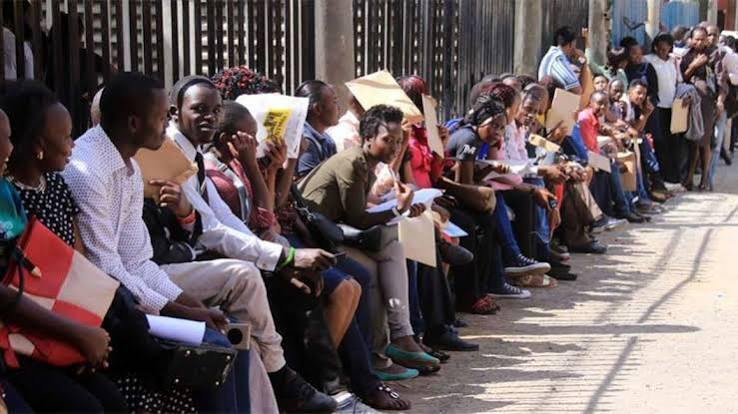
The Ghana Statistical Service (GSS) has called for increased investment in young people, warning that the country’s growing youth population could either become a powerful driver of economic growth or a major development challenge if urgent action is not taken.
In a statement issued to commemorate this year’s World Population Day, the Service stressed that Ghana stands at a critical point where strategic investments in education, healthcare, skills development and employment opportunities will determine the future of its youthful population.
The 2026 observance is being held under the theme, “Investing in Ghana’s Future through Healthy, Skilled and Empowered Young People.”
According to the GSS, Ghana’s population has grown steadily from 18.9 million in 2000 to 30.8 million, as recorded in the 2021 Population and Housing Census. Current projections estimate the population at 33.7 million in 2025.
The Statistical Service noted that young people aged between 15 and 35 now make up 36.9 per cent of the country’s population, meaning more than one in every three Ghanaians falls within the youth bracket.
It described this demographic trend as a unique opportunity for Ghana to benefit from a demographic dividend if the right policies and investments are implemented.
However, the GSS warned that the country’s labour market is not creating enough opportunities for young people.
Data from the Quarterly Labour Force Survey for the first three quarters of 2025 showed that youth unemployment averaged 21.9 per cent, compared with the national unemployment rate of 12.8 per cent.
Greater Accra, Central and Ashanti regions recorded the highest youth unemployment levels during the period.
The report further revealed that nearly two million young people, representing about 19.5 per cent of the youth population, were classified as not being in education, employment or training (NEET).
According to the GSS, this indicates that a significant number of young Ghanaians are neither acquiring new skills nor participating in productive economic activities.
To reverse these trends, the GSS urged government and stakeholders to increase investment in technical and vocational education, entrepreneurship, school-to-work transition programmes and productive sectors capable of creating decent jobs.