Before the controversy surrounding the renewal of Gold Fields’ Tarkwa mining lease, few mining lease applications in Ghana had generated such intense public interest.
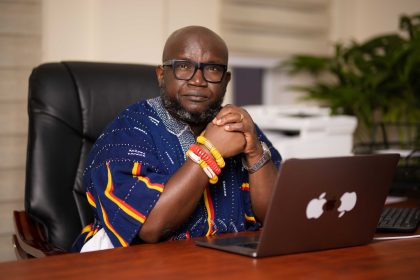
According to policy analyst and Extractive Industries Transparency Initiative (EITI) expert Steve Manteaw, the debate reflects a growing national belief that Ghana is not receiving enough value from its mineral resources.
Speaking on Joy News’ PM Express on Wednesday, Mr Manteaw said public sentiment around the mining sector has been shaped by the perception that resource-rich Ghana is being short-changed despite decades of mineral extraction.
“Well, I think what is unique is the fact that there’s been, for some time now, a general feeling that Ghana is not getting enough from its natural resources,” he said.
He noted that claims suggesting Ghana retains only about five per cent of the value generated by the mining sector have become widespread, even though he believes such figures are inaccurate.
“It’s fed into people’s minds, and people feel that as resource owners, we are being short changed, and they need to flip it over to Ghanaians, so that the greater value in the industry will be retained in country,” he stated.
Mr Manteaw said the current government’s desire to place more Ghanaians at the centre of the mining industry has further intensified the debate.
“Government wants to indigenise our industry and, like Acheampong will put it, put Ghanaians in the commanding heights of the economy, and so that is the agenda of the current government,” he said.
According to him, the administration has consistently promoted the idea of increasing Ghanaian participation in the sector.
“Wherever they go, they talk about putting Ghanaians in charge of our mining sector, so clearly, yes, it’s the government’s new policy,” he noted.
While expressing support for greater local participation, Mr Manteaw cautioned that such ambitions must be pursued through a carefully designed strategy rather than political rhetoric or public emotion.
“In fact, the rhetoric speaks to it. It’s been my position too,” he said.
He argued that global evidence shows countries that derive the greatest benefits from their mineral wealth are those that actively participate in extraction either directly or indirectly.
“I believe, and the data actually supports that call, that all over the world, countries that have been able to optimise value, countries that have been able to unleash the development potential of their mineral wealth, are those that are not holding their arms but are actively participating in the extraction of the resource,” he said.
Mr Manteaw pointed to examples such as BP in the United Kingdom, ExxonMobil in the United States, Petronas in Malaysia and Saudi Aramco in Saudi Arabia as companies that have enabled their countries to retain substantial value from natural resources.
He also cited Botswana, where government participation in the diamond industry has helped maximise national benefits.
For Ghana, however, he warned that increasing local ownership alone would not guarantee success.
“I welcome the call for Ghana to acquire more stake in our mineral sector, but I think we need to talk about strategy and not base our calls on sentiments,” he stressed.
“There is a way in which the industry works that if you don’t get it right, you put the mine in Ghanaian hands, and you actually lose out, because they may not be able to make the kind of investments that you need to make to keep production at a certain level.”
His comments come amid growing debate over the future of major mining leases and calls for greater Ghanaian control of the country’s mineral resources.