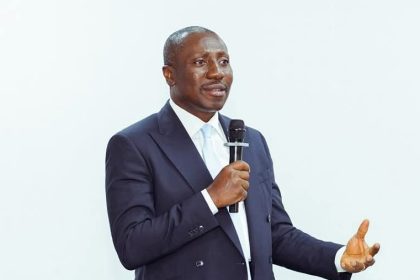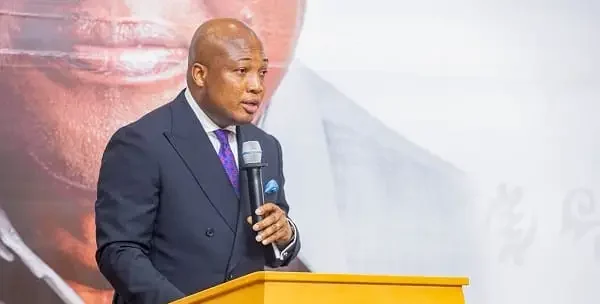
Foreign Affairs Minister Samuel Okudzeto Ablakwa says Ghana’s new e-visa portal is part of a wider plan to make the country more open to business, tourism and investment.
Launched on Africa Day, the platform allows travellers worldwide to apply for Ghanaian visas entirely online without visiting embassies or consulates.
Speaking at the launch at the Kempinski Hotel Gold Coast City on Monday, May 25, Mr Ablakwa said the initiative aligns with President John Dramani Mahama’s vision of making Ghana more accessible globally.
Mr Ablakwa noted that the old visa process frustrated many travellers because of delays, long queues and difficult procedures.
“Many of our international partners complained about how cumbersome the process was, the long queues, the delays, and sometimes how difficult it was to access visas,” he stated.
He said Cabinet approved the e-visa policy to modernise Ghana’s immigration system and improve investor confidence.
The minister also announced that Ghana has abolished visa fees for all African travellers.
“On this Africa Day, the President has also decided that all people from the African continent will no longer have to pay visa fees to enter Ghana.
“For the first time in our country’s history, visa fees for Africans have been completely scrapped,” he announced.
He described the move as a major step towards regional integration and stronger ties across Africa.
Addressing reports of an existing e-visa contract, Mr Ablakwa dismissed the claims.
“Let me assure the people of Ghana that there is no existing e-visa contract. Nothing of the sort exists,” he clarified.
He explained that after reviewing documents tied to a machine-readable passport contract, the government sought legal advice from the Attorney General.
“The Attorney General’s opinion is that the machine-readable passport contract does not constitute an e-visa arrangement. They are entirely different,” he explained.
Mr Ablakwa added that the project is being implemented through a public-private partnership, meaning taxpayers will not bear the cost.
“The beauty of this arrangement is that taxpayers have not been burdened,” he said.