
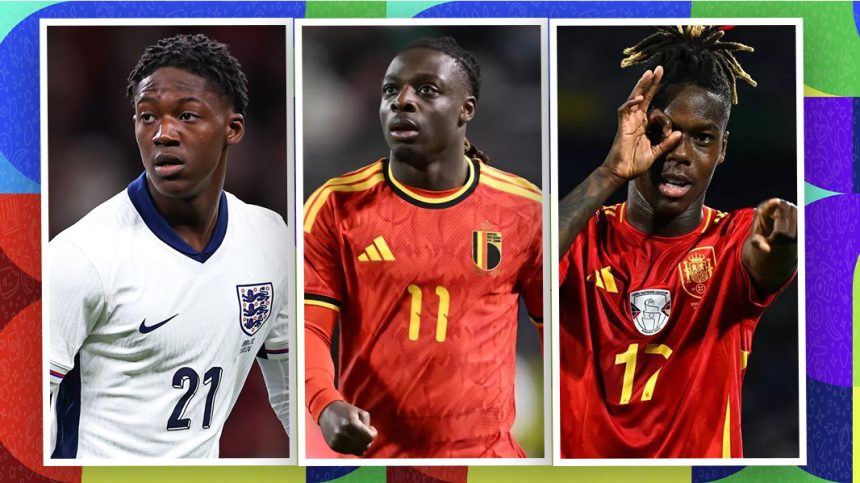
The 2026 FIFA World Cup is not only the biggest tournament in football history, featuring 48 teams, but also a celebration of the global Ghanaian diaspora.
While Ghana is represented by the Black Stars, several players with Ghanaian heritage are starring for other nations, reflecting the far-reaching influence of Ghanaian families across world football.
Here are 14 players with Ghanaian roots making their mark on football’s biggest stage.
Kobbie Mainoo (England)
Manchester United midfielder Kobbie Mainoo was born in Stockport, England, to Ghanaian parents, making him eligible to represent either Ghana or England at the international level.
The highly-rated midfielder opted to play for the Three Lions of England and has since established himself as one of England’s brightest young talents.
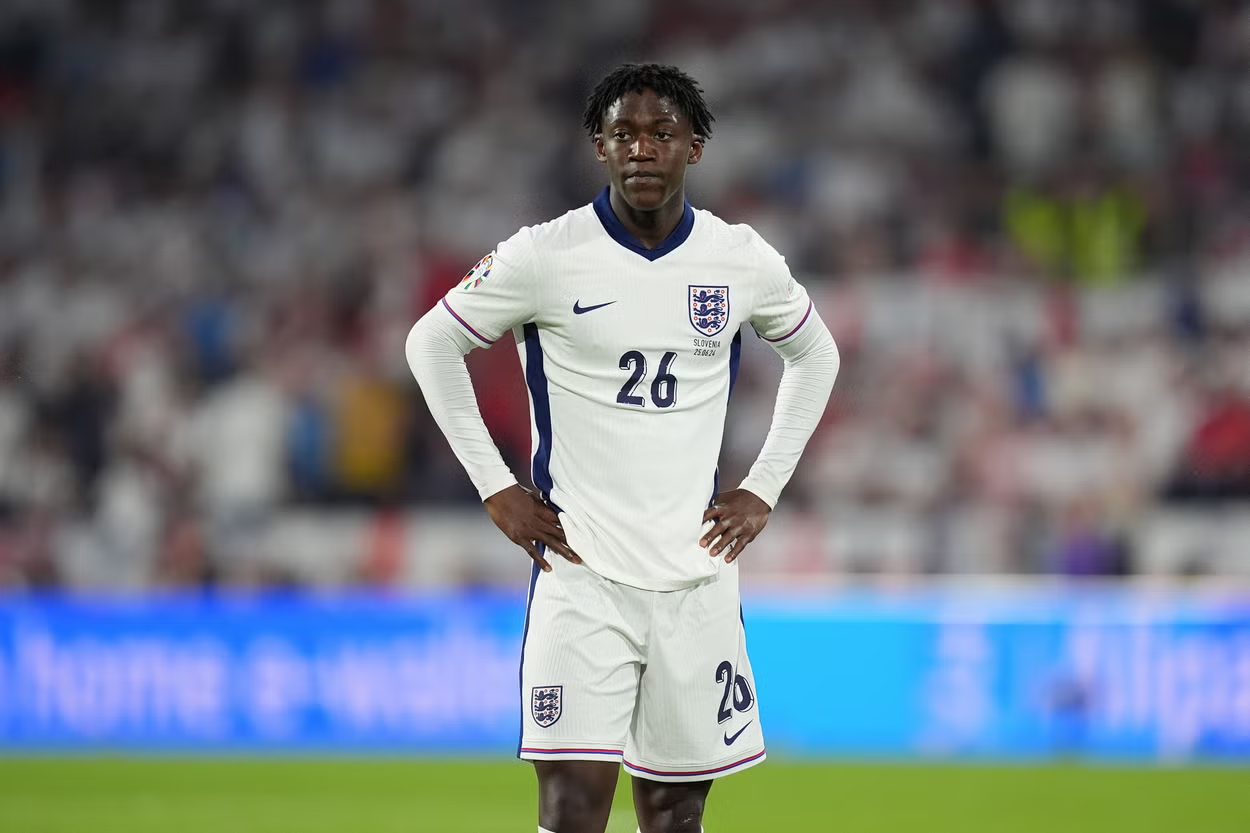
Mainoo earned a place in England’s squad for the 2026 FIFA World Cup and is now awaiting his first appearance on football’s biggest stage.
Jérémy Doku (Belgium)
Manchester City winger Jérémy Doku was born in Antwerp, Belgium, to Ghanaian parents, David and Belinda Doku.
Renowned for his blistering pace and exceptional dribbling, he has established himself as one of the world’s most exciting attacking players.
Although he represents Belgium internationally, Doku remains deeply connected to his Ghanaian roots.
He speaks Twi fluently and proudly embraces Ghanaian culture through its music, food and traditions.
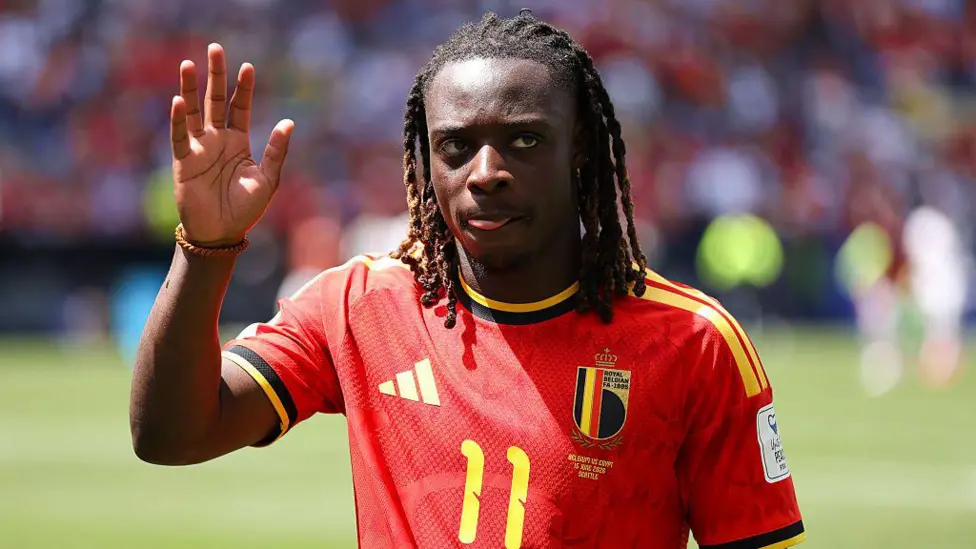
During the 2026 FIFA World Cup, Doku made headlines after temporarily leaving Belgium’s camp to be with his wife, Shireen, for the birth of their first child, a son named Praise, in England.
His decision, made with the approval of the Belgian Football Association, sparked widespread debate but was widely praised as an example of putting family first.
Doku has since rejoined the Belgium squad for the remainder of the tournament.
Alphonso Davies (Canada)
Canadian captain Alphonso Davies has a remarkable story. Born in the Buduburam refugee camp in Ghana to Liberian parents who fled civil war, he moved to Canada at the age of five.
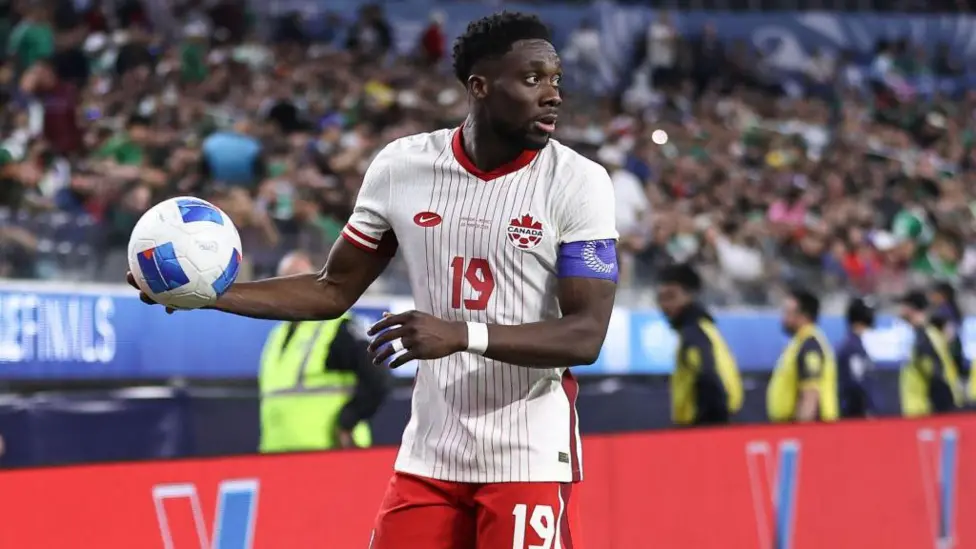
Today, he is one of the world’s best left-backs and remains one of Ghana’s most inspiring connections to international football.
He is yet to make his first appearance at the World Cup because of injury.
Kevin Danso (Austria)
Born in Austria to parents from Tafo, Kumasi, Ghana, Kevin Danso has become a key defender for Austria.
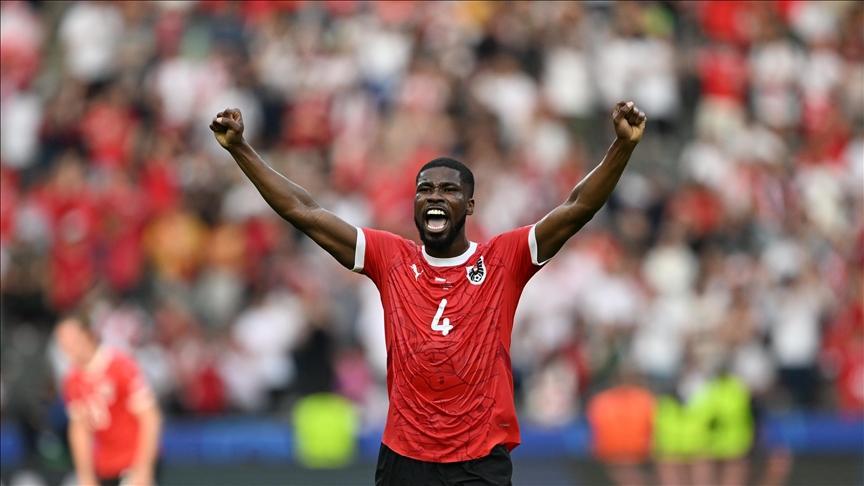
Now playing for Tottenham Hotspur, he remains deeply connected to his roots, speaking Twi at home and even helping Ghanaian teammate Mohammed Kudus settle into life at the club.
He’s made two appearances at the FIFA World Cup, helping Austria beat Jordan but losing to Argentina at their first and second group match respectively.
Brian Brobbey (Netherlands)
Ajax striker Brian Brobbey was born in Amsterdam, Netherlands, to Ghanaian parents, making him eligible to represent both Ghana and the Netherlands.
The powerful forward chose to play for the Dutch national team but has consistently spoken about his pride in his Ghanaian heritage and maintains a strong connection to his family’s roots.
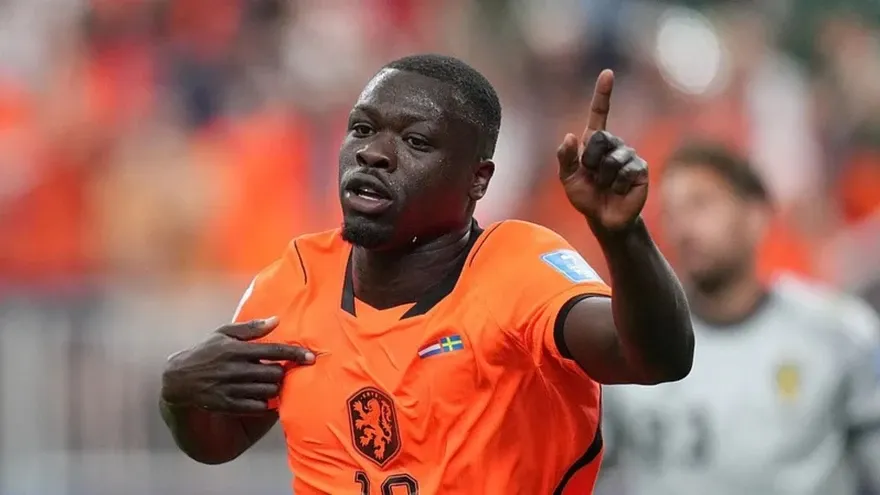
Brobbey enjoyed a dream start to his FIFA World Cup career at the 2026 tournament, scoring twice on his World Cup debut in the Netherlands’ opening group-stage victory over Sweden.
He followed that performance with another goal in the Oranje’s final Group E match against Tunisia, taking his tally to three goals in his first two World Cup appearances and emerging as one of the tournament’s early standout performers.
Cody Gakpo (Netherlands)
Liverpool forward Cody Gakpo has strong West African roots through his father, who was born in Togo and traces the family’s Ewe heritage to Ghana’s Volta Region.
Born and raised in the Netherlands, Gakpo has developed into one of the Dutch national team’s most influential attacking players while proudly embracing his multicultural background.
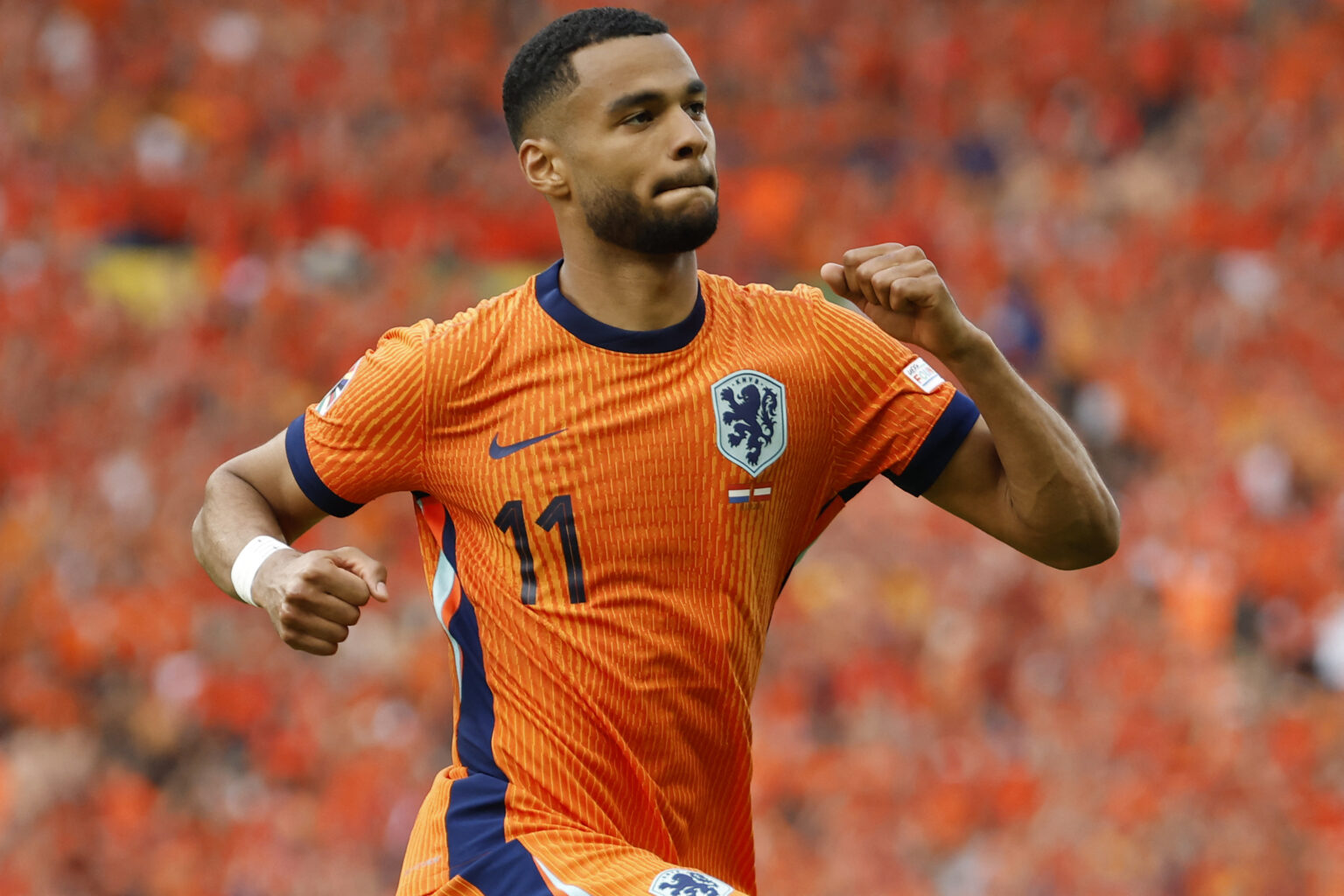
At the ongoing 2026 FIFA World Cup in the United States, Gakpo has continued his fine form, scoring two goals to help the Netherlands’ attack as they pursue another deep run in the tournament.
His performances have reinforced his status as one of the Oranje’s key players on football’s biggest stage.
Memphis Depay (Netherlands)
Born in the Netherlands to a Ghanaian father and a Dutch mother, Memphis Depay was eligible to represent either Ghana or the Netherlands at the international level.
He ultimately chose the Dutch national team, but has repeatedly expressed pride in his Ghanaian heritage, particularly his connection to the Ashanti people.
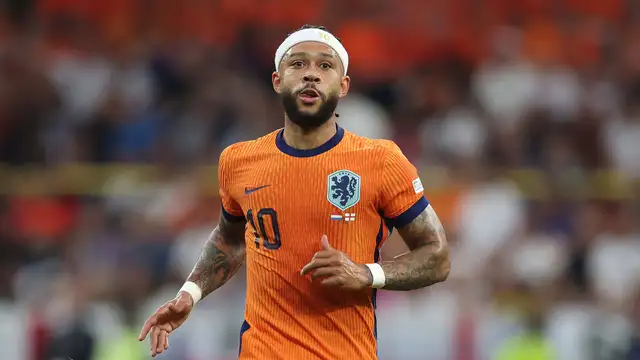
At the 2026 FIFA World Cup, the experienced forward has largely been used as a substitute, making cameo appearances in the Netherlands’ group-stage matches against Sweden and Tunisia.
Although he is yet to open his scoring account at the tournament, Depay’s experience and creativity continue to provide valuable depth for the Dutch squad.
Nico Williams (Spain)
Athletic Bilbao winger Nico Williams was born in Pamplona, Spain, to Ghanaian parents who undertook a perilous journey across the Sahara Desert in search of a better future.
Eligible to represent both Ghana and Spain, he chose to play for the Spanish national team, while his older brother, Iñaki Williams, switched allegiance to represent Ghana’s Black Stars.
Despite representing different countries, the Williams brothers have remained proud of their Ghanaian heritage and have often spoken about the sacrifices their parents made to give them better opportunities.
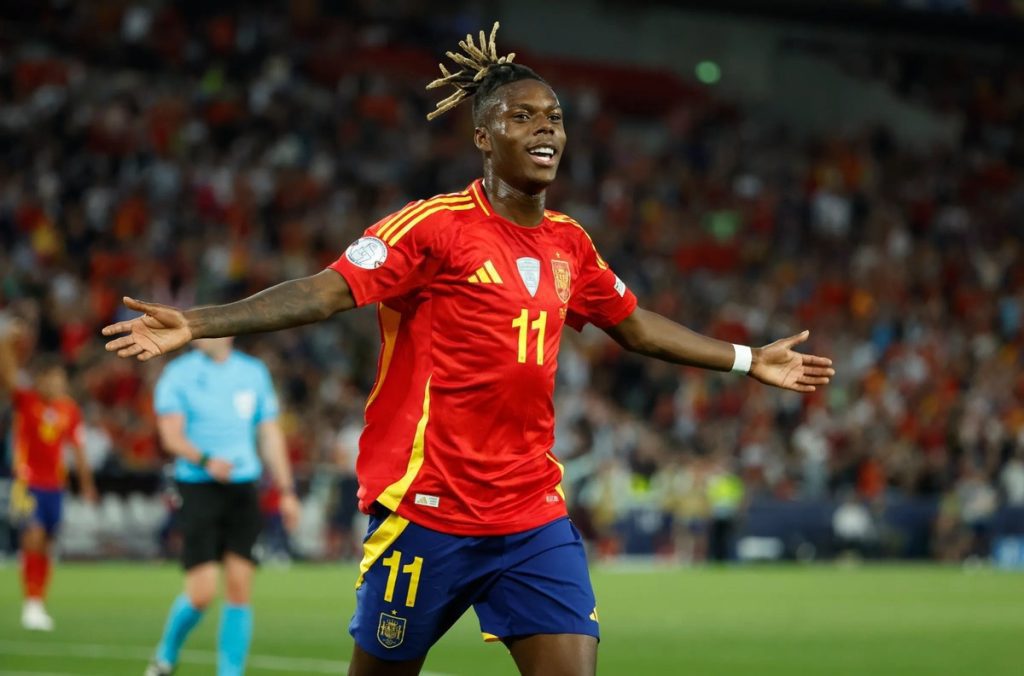
At the 2026 FIFA World Cup, Nico Williams has been easing his way back from injury.
He made substitute appearances in Spain’s group-stage matches against Cape Verde and Saudi Arabia as the coaching staff carefully managed his fitness.
Although he is yet to score in the tournament, his pace and creativity remain valuable weapons for Spain as the knockout stages approach.
Zion Suzuki (Japan)
Japan’s first-choice goalkeeper, Zion Suzuki, was born in the United States to a Ghanaian father and Japanese mother.
He’s made three appearances at the ongoing FIFA World Cup, keeping the post for Japan in all three.
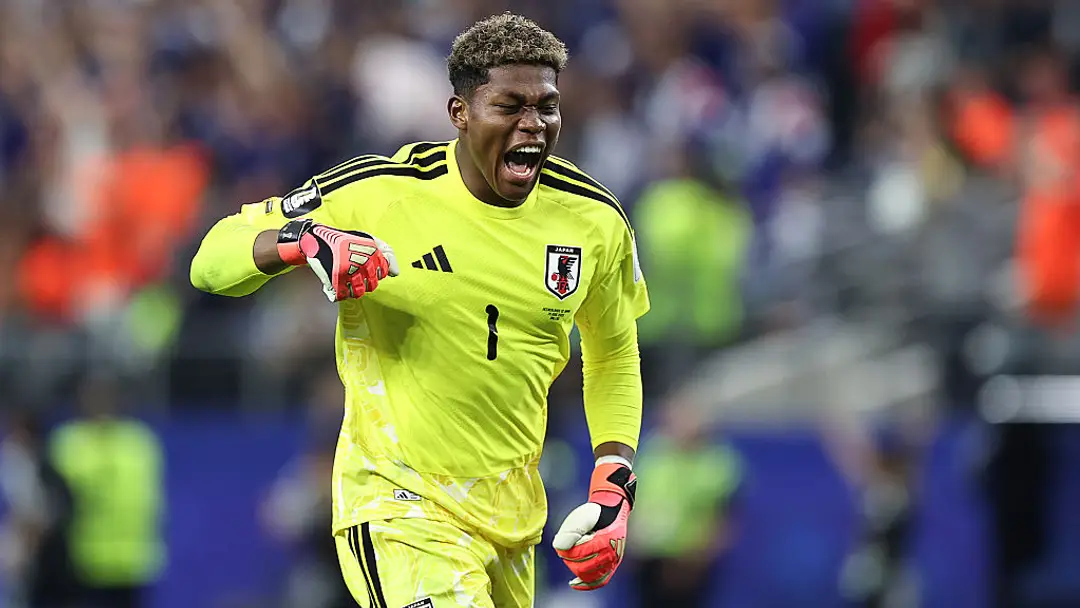
His multicultural background has made him one of the most fascinating young goalkeepers in international football.
Mohammed Muntari (Qatar)
Born in Kumasi, Ghana, Mohammed Muntari moved to Qatar as a teenager and later became a naturalised citizen.
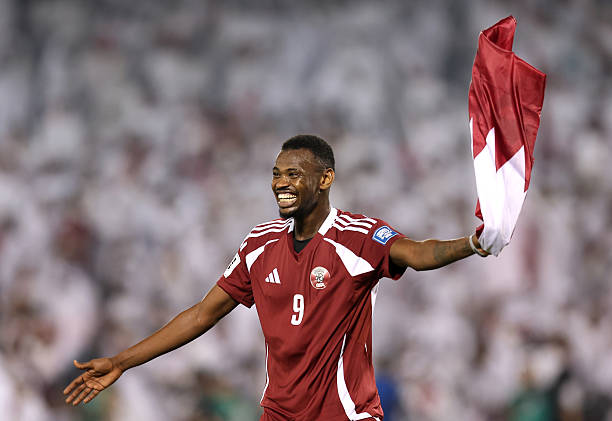
He made history by becoming the first player to score for Qatar at the 2022 FIFA World Cup, adding another chapter to Ghana’s global football story.
Isak Hien (Sweden)
Atalanta defender Isak Hien was born in Stockholm to a Swedish mother and a Ghanaian father.
The commanding centre-back has established himself as a key player for Sweden and one of Serie A’s top defenders.
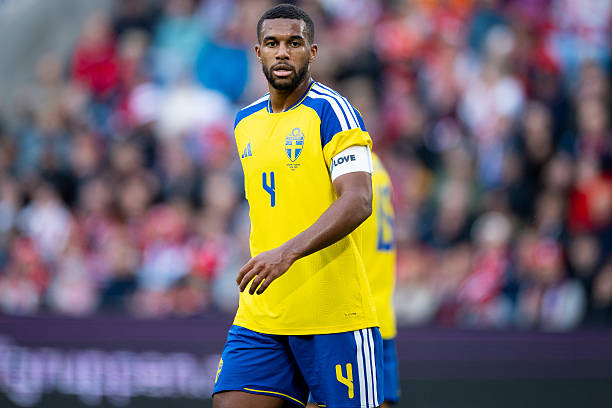
He’s featured in all the 3 matches for Sweden at the ongoing FIFA World Cup.
Jarell Quansah (England)
Liverpool academy graduate Jarell Quansah, who joined Bayer Leverkusen in 2025, is another player of Ghanaian descent representing England.
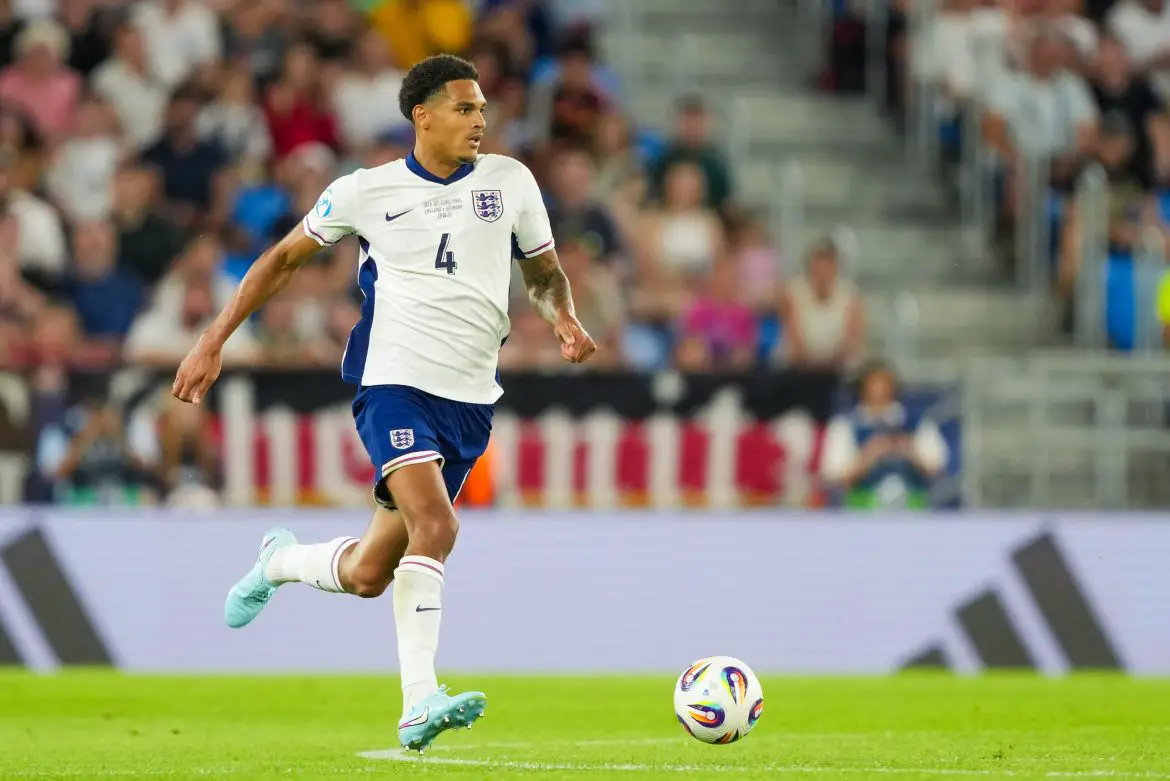
After an impressive club campaign, the central defender earned a place in England’s squad for the 2026 World Cup, but yet to make his debut at the tournament.
Jamie Leweling (Germany)
Born in Germany to a Ghanaian father and German mother, Jamie Leweling declined an invitation from Ghana before committing to Germany.
The VfB Stuttgart winger has since broken into the senior national team and continues to impress with his pace and creativity.
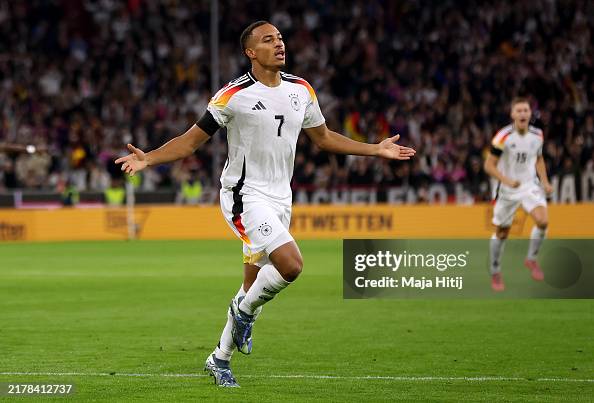
He made his World Cup debut against Côte d’Ivoire in the ongoing 2026 FIFA World Cup.
John Yeboah Zamora (Ecuador)
Born in Hamburg to a Ghanaian father and Ecuadorian mother, John Yeboah was eligible to represent Germany, Ghana or Ecuador.
After featuring for Germany’s youth teams, the exciting winger chose Ecuador at senior level.
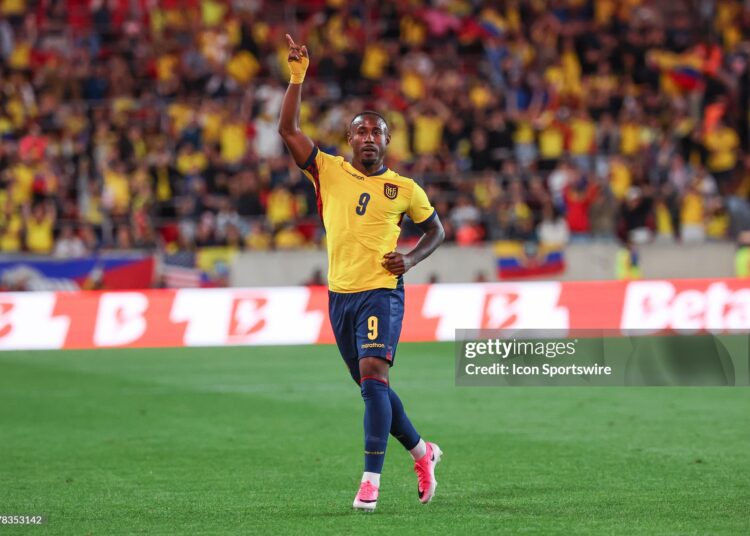
He has featured in all the group stage matches for Ecuador, helping them to beat the favourite Germany in their second group match.
The presence of these players highlights the remarkable contribution of Ghanaians and their descendants to world football.



You missed Sako playing for England . He has Ghanaian grandparents I believe