There are draws that feel ordinary, and there are draws that send a message. Ghana’s goalless stalemate against England in Boston belongs firmly in the latter category.
On paper, it was a point. In reality, it was a statement from the Black Stars side that appears to be rediscovering its identity and reconnecting with a fan base that has long yearned for performances built on purpose, discipline, and pride.
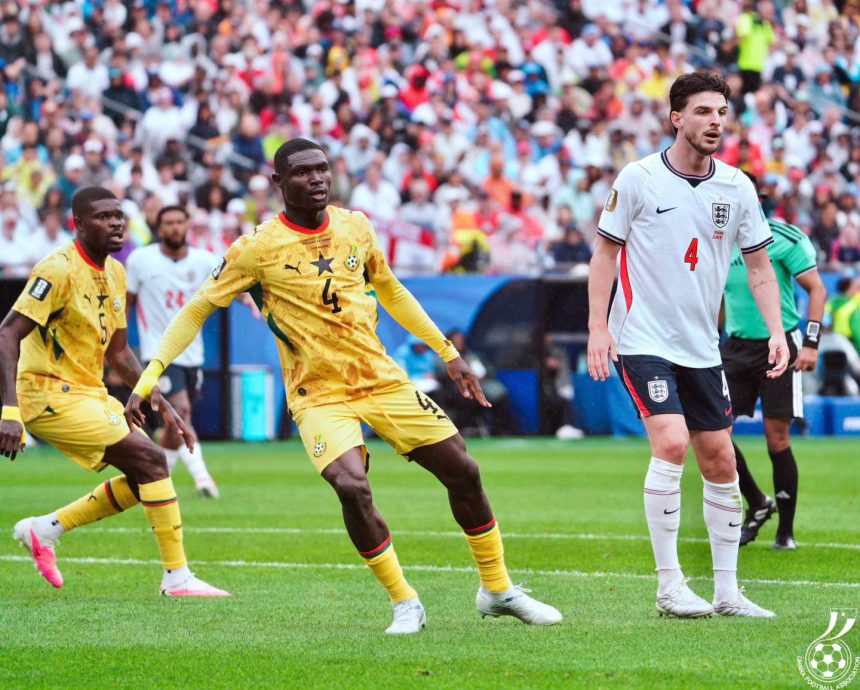
England dominated possession and controlled much of the ball. Yet for all their passing and territorial advantage, they struggled to break down a Ghanaian side that remained organised, compact, and committed to the task.
The Three Lions had the ball; Ghana had the plan.
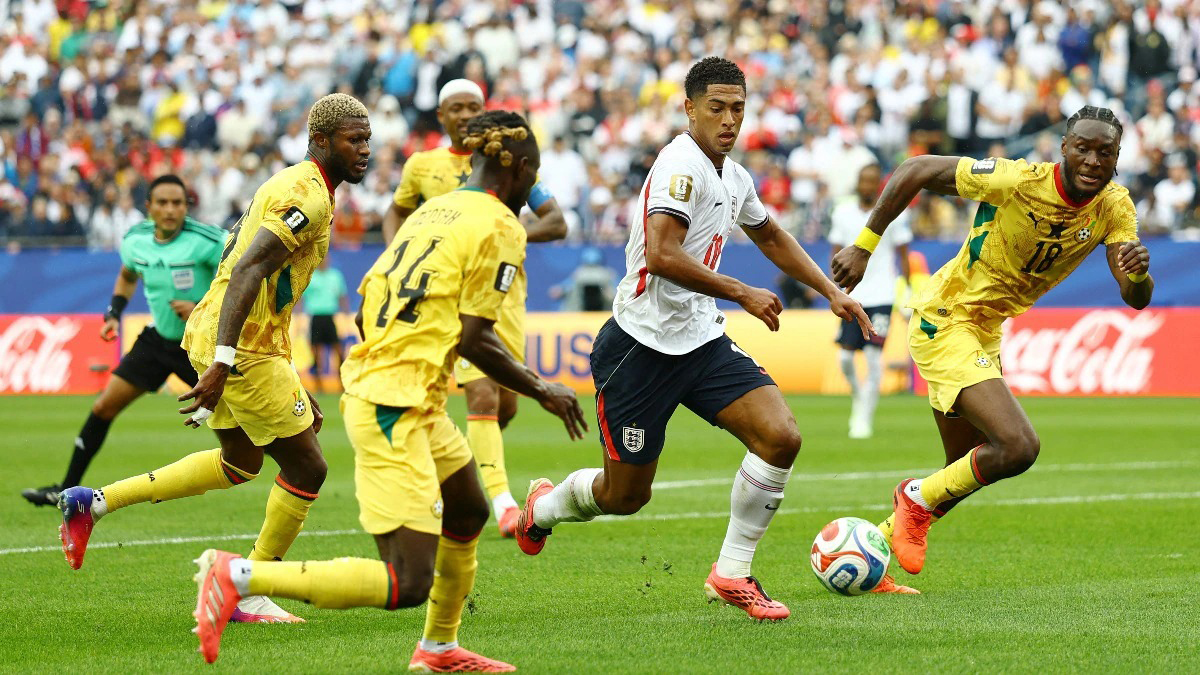
Much of the credit belongs to coach Carlos Queiroz, whose tactical approach frustrated one of the tournament favourites.
The Black Stars defended with intelligence, protected central areas, and forced England into difficult positions throughout the contest.
Thomas Partey was the embodiment of that approach. The midfielder may not have produced the moments that dominate social media highlights, but he produced something more important: control.
He broke up attacks, protected the defence, and provided leadership during periods when England threatened to build momentum.
Jordan Ayew deserves similar recognition. For years, he has been one of Ghana’s most debated footballers. Yet against England, he demonstrated once again why coaches continue to trust him.
His pressing, movement, and tireless work rate helped transform defence into resistance and resistance into belief. Leadership is not always measured in goals. Sometimes it is measured in sacrifice.
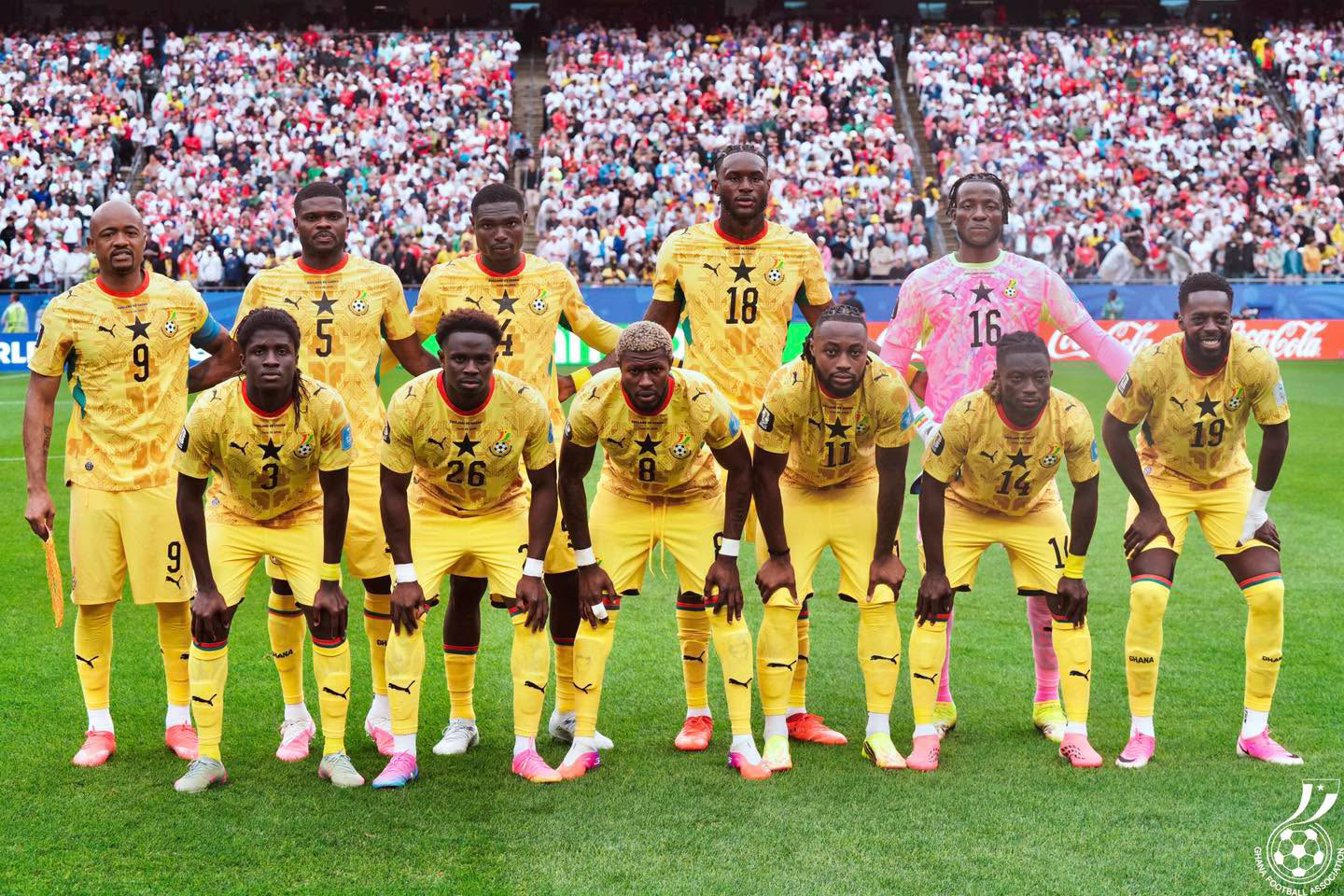
Behind them, Jerome Opoku, Jonas Adjetey, Gideon Mensah, and Marvin Senaya turned defending into an art form. Every tackle, block, and clearance reflected a team willing to fight for one another.
Then there was Benjamin Asare.
Every major tournament produces players who announce themselves to a wider audience. Boston may well have been Asare’s moment.
His command of the penalty area, composure under pressure, and crucial interventions gave Ghana confidence when England intensified their attacks.
His late save from Bukayo Saka was more than a stop; it was a symbol of a team refusing to yield.
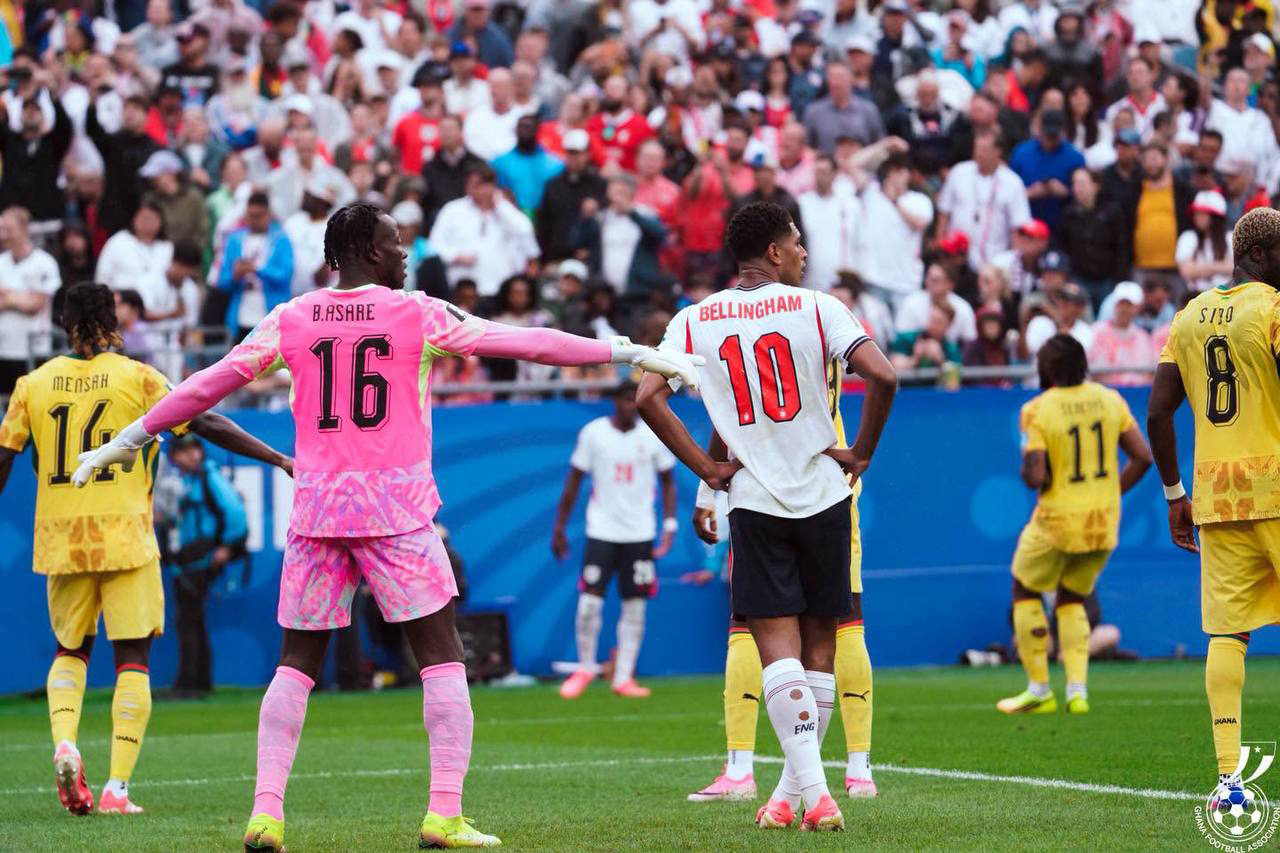
Ghana may also feel unfortunate not to have been awarded a penalty after contact on Prince Adu during a frantic second-half attack.
Referee Hector Martinez waved play on, a decision that will be debated long after the final whistle.
Perhaps the most significant development, however, occurred far away from the pitch. Across Ghana, a familiar feeling began to re-emerge.
The cynicism that has often surrounded the national team in recent years gave way to pride. Social media was filled not with complaints but with admiration.
For once, the conversation was less about what the Black Stars lacked and more about what they represented.
This matters because football in Ghana has always been about more than results.
The Black Stars carry the hopes of a football-loving nation and, often, the aspirations of a continent eager to see African teams compete confidently against the world’s elite.
Against England, Ghana did not simply defend. Ghana competed. Ghana belonged.
There is still work to do. A draw guarantees nothing. The challenge against Croatia remains, and tougher tests may yet lie ahead. But Boston offered something that statistics cannot fully capture: belief.
The scoreline will record a goalless draw. History may remember something else entirely, a night when the Black Stars rediscovered themselves, and in doing so, reminded Ghanaians why they fell in love with this team in the first place.