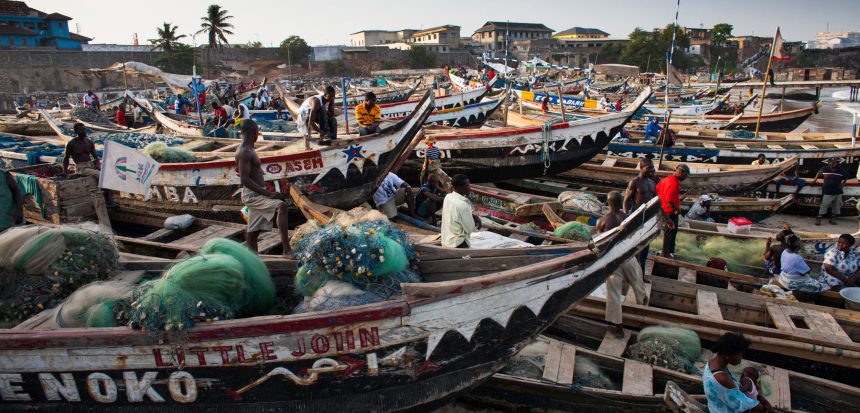
The Ministry of Fisheries and Aquaculture and the Fisheries Commission have been urged to develop a new National Plan of Action to help prevent, discourage, and eliminate illegal, unreported, and unregulated fishing, widely known as IUU fishing.
The proposed policy framework, known as the NPOA-IUU, is expected to strengthen Ghana’s efforts to tackle illegal fishing activities and improve fisheries governance.
Officials also expect the plan to align with the Food and Agriculture Organization’s International Plan of Action on IUU Fishing as well as the regional framework of the Fisheries Committee for the West Central Gulf of Guinea (FCWC).
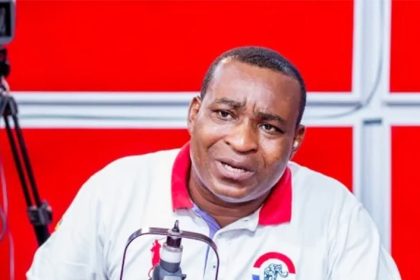
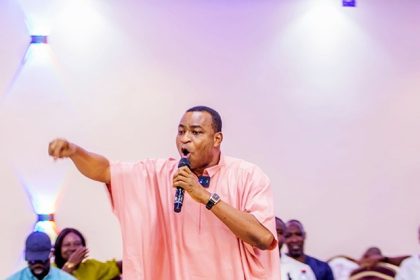
Kwadwo Kyei Yamoah, Executive Director of HELP Foundation Africa, made the appeal during discussions on illegal fishing at the Maritime Action Platform Seminar.
He described IUU fishing as one of the biggest dangers to marine life, food security, coastal communities, and economic sustainability in Ghana and across West Africa.
According to him, weak law enforcement, corruption, poor monitoring systems, harmful fishing practices, and limited cooperation among countries continue to fuel the problem.
Mr Yamoah pointed out that Ghana remains under an European Union “yellow card” warning because of concerns over illegal fishing practices.
These concerns include illegal transshipment activities locally known as “Saiko,” weak surveillance systems, poor enforcement of fisheries laws, lack of transparency in vessel ownership, and insufficient penalties for offenders.
He explained that Ghana previously succeeded in getting an earlier yellow card removed in 2015 after implementing reforms.
However, the country received another warning in 2021 following renewed concerns over governance and enforcement within the fisheries sector.
Mr Yamoah stressed that reviewing and updating the National Plan of Action remains important if Ghana wants to rebuild confidence in its fisheries management system and work toward removing the yellow card warning.
“The main objective of the NPOA-IUU is to identify gaps in Ghana’s fisheries governance and enforcement systems and provide practical actions to combat illegal fishing,” he stated.
He said the revised action plan would help improve law enforcement and sanctions, strengthen monitoring and surveillance systems, enhance vessel registration and licensing procedures, and encourage intelligence sharing among countries in the region.
He further explained that the plan would support Ghana’s compliance with international agreements, including the United Nations Convention on the Law of the Sea (UNCLOS) and the FAO’s International Plan of Action on IUU Fishing.
Mr Yamoah also called for increased investment in patrol boats, surveillance technology, fisheries observers, and prosecution systems to improve monitoring and enforcement within Ghana’s maritime space.
He added that stronger cooperation among countries along the Gulf of Guinea remains essential in tackling illegal fishing and other cross-border maritime crimes.