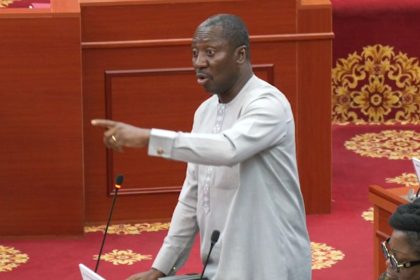

The Vice President of the Ghana Union of Traders Association (GUTA), Joseph Paddy, has warned that the high cost of doing business is pushing companies to reduce production or move operations to neighbouring countries.
He noted that Ghana remains one of the most expensive places to operate in the sub-region, making locally produced goods less competitive compared to imports.
Speaking at a roundtable discussion on Ghana’s economic performance, Mr. Paddy said traders often find it cheaper to import goods than to source them locally, even after paying duties.
“When there is a shortfall and we go out to import, it is still cheaper than what is produced here,” he said.
He explained that rising costs, especially electricity, water, and financing, continue to put pressure on local producers and limit their ability to meet demand.
As a result, some businesses have shifted from manufacturing to trading, while others are relocating entirely.
Mr. Paddy identified the Ivory Coast as a key destination for businesses due to its lower production costs.
“In Ghana, production can be as high as 30% to 35%, but in countries like Ivory Coast, it is between 3 and 7 percent,” he explained.
He warned that this trend could negatively affect job creation, as factories scale down or shut completely.
He cited an example of a local manufacturer who stopped production due to high electricity costs and switched to importing goods, leading to job losses.
The GUTA Vice President stressed that the situation reflects deeper structural challenges in Ghana’s production environment.
He called on the government to prioritise policies that reduce the cost of doing business and support local industries.
“Every business grows on policy. One good policy can help a business grow,” he said on JoyBusiness Roundtable discussion on Ghana’s economic performance.
Industry players say that without urgent action to cut production costs and improve access to financing, Ghana risks losing more factories, jobs, and investment to other countries in the sub-region.