Ghana’s Gold Board (GoldBod) has signed a refinery agreement with Royal Ghana Gold Limited aimed at boosting local gold refining, improving value addition, and strengthening oversight of the country’s mineral value chain.
The agreement is part of the government’s broader strategy to reduce raw gold exports and ensure that more processing is done domestically, allowing Ghana to retain a larger share of revenue from its mineral resources.
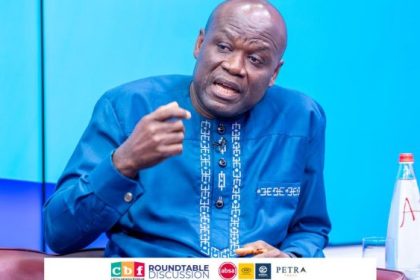
The Chief Executive Officer of GoldBod, Sammy Gyamfi, said the deal marks a major step toward building a more integrated and transparent gold industry.
He explained that the partnership will help formalise gold purchases from licensed miners and improve traceability across the supply chain.
“This agreement is part of our agenda to ensure that Ghana does not continue to export raw wealth while importing poverty. We are building a system where every ounce of gold is properly accounted for and refined here in Ghana,” he stated.
According to him, the refinery arrangement will support efforts to clamp down on illegal gold trading and smuggling, which continue to affect government revenue and transparency in the mining sector.
A representative of Royal Ghana Gold Limited also welcomed the partnership, describing it as a strategic investment in Ghana’s mining future.
“We are proud to work with GoldBod on this initiative. Our goal is to support Ghana in developing a world-class refining system that meets international standards and enhances competitiveness in the global gold market,” the company said.
Under the agreement, gold sourced from licensed artisanal and small-scale miners will be processed locally, with systems expected to ensure proper documentation, purity testing, and export certification.
GoldBod officials further indicated that the project will create jobs in refining operations, logistics, assay laboratories, and export compliance services, while strengthening Ghana’s position as a regional hub for gold processing.
The initiative also aligns with ongoing reforms in the mining sector, including efforts to formalise small-scale mining, reduce illegal operations, and increase foreign exchange earnings for the state.
Further implementation details, including production capacity and operational timelines, are expected to be announced in the coming weeks as the project moves into its next phase.