CUTS International has called on government to increase funding for road maintenance in the 2026 Mid-Year Budget Review, warning that heavy rains have worsened the condition of roads, bridges and drainage systems across the country and placed an increasing burden on road users.
The policy think tank said deteriorating roads are slowing traffic, damaging vehicles, increasing transport costs and disrupting economic activity, making it imperative for government to allocate additional resources to the Ghana Road Maintenance Trust Fund.
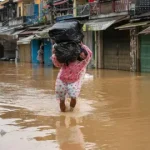
According to CUTS, many roads have deteriorated significantly following this year’s rains, with potholes in several areas developing into deep gullies that pose safety risks to motorists and commuters.
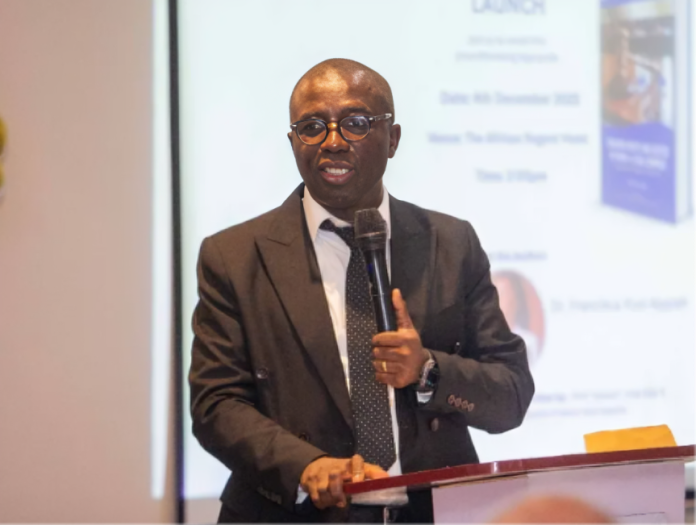
“Every day, ordinary Ghanaians are paying the price for bad roads. They spend more time in traffic, pay more to fix their cars, use more fuel and face higher risks on the road. This is no longer about minor potholes. In many places, the roads are breaking down badly, and the government must respond with urgency,” Appiah Kusi Adomako, Director of the West Africa Regional Centre of CUTS International noted.
The organisation stressed that while road maintenance works are generally more effective during the dry season, emergency interventions cannot wait until the rains subside because some road sections have become unsafe and require immediate attention.
CUTS argued that temporary patching of potholes alone will not provide a lasting solution, noting that poor drainage systems, weak road foundations and recurrent flooding continue to damage roads repeatedly.
It therefore urged government to invest in comprehensive maintenance programmes, including drainage improvements, bridge repairs and stricter supervision of road construction works.
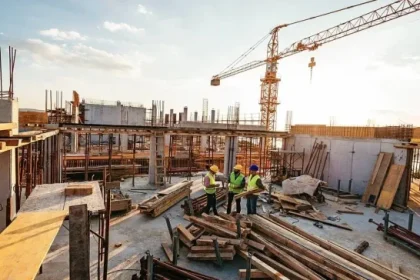
The think tank also cautioned against neglecting existing road infrastructure while pursuing new construction projects under government’s Big Push agenda.
While commending government’s commitment to expanding road infrastructure to support economic growth and improve connectivity, CUTS said maintenance of existing roads must receive equal attention.
“A road network is only as strong as its weakest link. New roads are important, but existing roads must also be protected. We cannot build new roads with one hand and allow older roads to collapse with the other,” Mr. Adomako said.
CUTS noted that approximately GH¢3.0 billion was allocated to the Ghana Road Maintenance Trust Fund in the 2026 Budget, compared with an estimated GH¢3.1 billion in 2025. However, it maintained that the scale of damage caused by the rains requires additional support through the mid-year budget review.
According to the organisation, the current level of deterioration extends beyond normal wear and tear, affecting roads, drains, bridges and other road assets nationwide.
“The Road Fund must be strong enough to do what it was created to do. If we do not put enough money into road maintenance today, the cost will not disappear. It will be paid by drivers, passengers, businesses, farmers, traders and families through higher transport costs, damaged vehicles, lost time and avoidable accidents,” Mr. Adomako added.
Beyond funding, CUTS called for Metropolitan, Municipal and District Assemblies (MMDAs) to be adequately resourced to undertake road and bridge repairs within their jurisdictions, arguing that local authorities are often the first to identify emerging infrastructure challenges.
The organisation also urged the Ministry of Roads and Highways to resolve outstanding issues surrounding the suspended National Roads Authority Act, 2024 (Act 1118), saying the continued suspension of the law weakens decentralised road management and slows institutional response to road failures.
In addition, CUTS advocated the reintroduction of road tolls through a modern technology-driven system to provide a sustainable source of funding for road maintenance.
It noted that road tolls were previously an important source of revenue for road repairs and maintenance before their suspension in 2021 and argued that a transparent and efficient tolling regime could strengthen the Road Fund while ensuring accountability in the use of proceeds.
The organisation urged government to use the mid-year budget review to demonstrate a stronger commitment to maintaining road infrastructure, preserving existing road assets and reducing the economic burden associated with deteriorating roads.
It maintained that roads remain critical to connecting people to workplaces, schools, hospitals, markets and businesses, and that failure to maintain them ultimately affects productivity and economic growth.
“CUTS commends government’s Big Push agenda and its focus on constructing new roads and expanding critical infrastructure across the country. This is important for national development, trade, connectivity and economic growth.
However, the country must not lose sight of already existing roads that are deteriorating. A good road system is a network of both old and newly constructed roads. Building new roads while allowing existing roads to fail will weaken the overall transport system and increase the long-term cost of maintenance,” the press release stated.