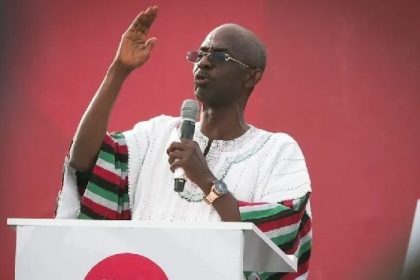
Illegal mining, popularly known as galamsey, is responsible for about 25 percent of fibre-optic cable cuts recorded across Ghana, Communications, Digital Technology and Innovations Minister Samuel Nartey George has disclosed.
The Minister said the situation poses a growing threat to the country’s telecommunications infrastructure and contributes to disruptions in internet and other communication services.
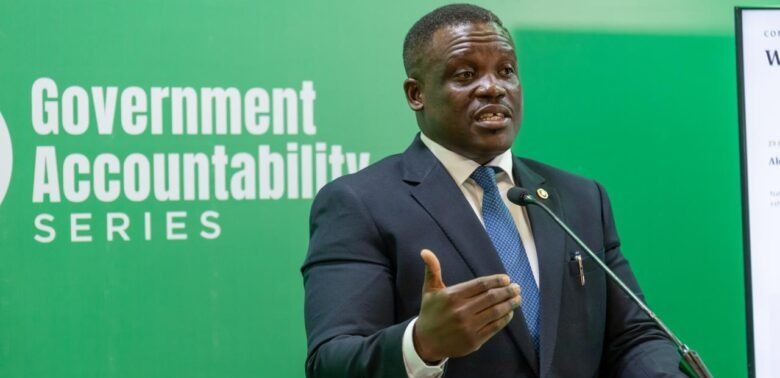
Speaking at the Government Accountability Series in Accra on Monday, September 7, Sam George said illegal mining had become one of the major causes of damage to underground fibre networks.
He explained that miners often destroy fibre cables while digging without informing telecommunications companies or the relevant authorities. This, he said, makes it difficult for network operators to quickly locate the damage and restore affected services.
“25 percent of fibre cuts are a result of galamsey. The telecom industry is one of the worst hit by the activities of galamsey operators,” he said.
According to the Minister, road construction also remains the biggest source of fibre damage, accounting for about 49 percent of recorded cuts, while private developers and other third-party activities account for the remaining 26 percent.
Ghana is projected to record about 8,578 fibre cuts in 2026, with 4,289 already recorded in the first half of the year. The average repair cost is estimated at about US$2,045 per incident, while more than US$20 million was spent on repairs in 2025 alone.
Sam George stressed that fibre-optic networks are critical to the country’s digital infrastructure because they carry large volumes of voice and data traffic.
Repeated damage therefore risks affecting mobile connectivity, internet access and other digital services, particularly in areas without alternative fibre routes.
The Minister also noted that the cost of repairing damaged cables takes money away from network expansion. Funds spent on restoring infrastructure, he said, could instead be used by telecommunications companies to build new sites and improve coverage.