The Western and Western North regions of Ghana have long served as the ultimate backbone of the nation’s economy.
Together, they float this country on a sea of crude oil, feed its citizens and the global market with premium cocoa, rubber, palm nuts and palm oil and anchor national reserves with gold, bauxite, manganese, and timber.
Historically, these western enclaves have been the engines driving national development budgets and infrastructural expansions in the capital and beyond. Yet, an intimate journey through these regions today reveals a deeply painful, systemic paradox. The very communities that generate Ghana’s greatest wealth are being left behind to decay. Choked by profound infrastructural deficits, catastrophic environmental destruction, and biting socio-economic hardships, districts across these regions are bleeding resources while inheriting only poverty.
A Landscape of Broken Infrastructure and Halted Progress
Despite the staggering economic output flowing from these territories, transportation networks remain a nightmare for residents, drivers, and businesses alike. Major interstate highways and critical inner-city road networks—particularly in parts of Wassa Amenfi West, Wassa Amenfi East and Prestea-Huni Valley—are largely unpaved, deeply potholed, and completely impassable during the rainy seasons.
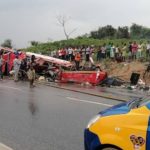
This chronic neglect severely hampers the transport of agricultural produce and minerals, causing immense financial losses for farmers and cargo operators and turning routine commutes into hazardous, time-consuming chores. The main Accra-Takoradi road, an ECOWAS highway, is nothing to write home about, as the project has turned it into a death trap.
The developmental stagnation is visible in urban centres, where high-profile, state-led legacy projects have ground to a frustrating halt. In the heart of the Western Region’s capital, the iconic Takoradi Market Circle redevelopment project sits incomplete, leaving thousands of displaced local traders exposed to the weather and vulnerable to poor sanitary conditions.
Not far away, the uncompleted PTC Flyover at Takoradi stands as a stark, skeletal monument to delayed progress. Instead of easing urban congestion, its prolonged suspension has worsened daily traffic bottlenecks and stifled local commerce. The last time I visited Sekondi-Takoradi I wept. My beautiful twin city! It had its own lingua franca and nightlife, not forgetting the land seamen as well as its prominent, affluent and influential seamen, contractors, timber merchants and taxi drivers! Now Sekondi-Takoradi is a pale shadow of the vibrant city it used to be.
Compounding this crisis is the total collapse of the regional railway network. A system that once seamlessly and affordably transported heavy bulk minerals and timber from places like Tarkwa-Nsuaem directly to the Takoradi Port has been left to rot, shifting heavy haulage to an already fragile road network. There was a time when you could take the sleeper train to Kumasi at night, do whatever you wanted to do, and be back the next evening in Sekondi. Can you imagine what this could do to commerce, tourism, and development if it happened now? The railway lines and coaches were repaired by mechanics and engineers at Location who understood the word ‘innovation’ before it became part of the Ghanaian vocabulary.
In rural communities across Juaboso, Bia West, and Sefwi Wiawso in the Western North region, the infrastructural neglect transitions from an economic inconvenience to a humanitarian crisis. Hundreds of remote villages lack reliable healthcare facilities, clean drinking water, and higher education institutions, forcing residents to travel for hours to meet basic human needs.
The Decay of a Healthcare Lifeline: Effia Nkwanta Regional Hospital
Perhaps the most distressing symbol of this structural neglect is the state of the Effia Nkwanta Regional Hospital. As the premier referral facility serving the entire Western Region and parts of the Western North, this historic institution has been allowed to fall into disrepair. For years, structural deterioration, leaky roofs, crumbling walls, and severely outdated medical equipment have compromised the delivery of critical healthcare. Promised upgrades, expansions, and redevelopment phases have dragged on sluggishly, leaving patients and overstretched medical staff to navigate a broken facility. It is a profound injustice that a region producing billions of dollars in oil and solid minerals cannot boast a world-class, fully functional regional hospital, forcing citizens to travel all the way to the Central or Greater Accra Region for specialised emergency care.
An Environmental Emergency and Ecocide
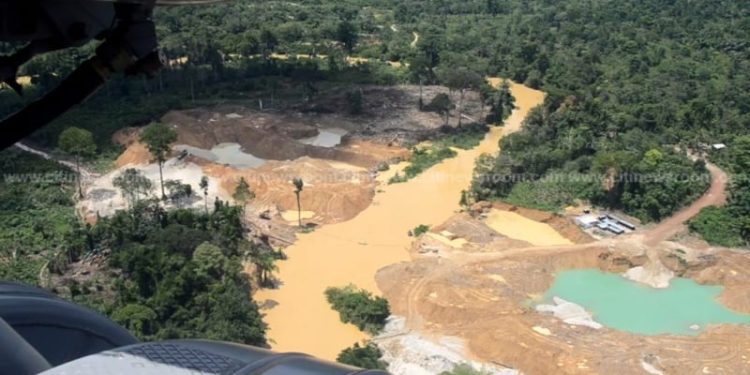
The vast natural wealth of these twin regions has increasingly mutated into an environmental curse. Unregulated small-scale illegal mining, popularly known as galamsey, has escalated into an ecological emergency. Driven by local desperation and backed by influential syndicates, illegal miners have systematically destroyed pristine forest reserves and fertile, decades-old cocoa farms across Wassa Amenfi Central and Bodi. Mpohor, known for its palm nuts and palm oil, is gradually becoming an ecological crime scene due to galamsey.
The toll on vital water bodies is devastating. Major river systems like the Pra, Ankobra, and Tano rivers, which once served as sources of pure drinking water and supported thriving aquatic ecosystems, have been turned into thick, toxic, yellowish-brown mud and ‘aquatic deserts’. Water treatment plants are failing to purify this heavily silted water, sparking a severe water security crisis in surrounding districts.
This unchecked environmental mismanagement has triggered severe ecological backlashes. The timber-rich town of Samreboi, once known for its vibrant tyre factory, situated within the Amenfi West municipality and its surrounding enclaves, now experiences devastating, unprecedented flooding, fueled by heavily silted, altered river channels that can no longer contain seasonal volumes. Simultaneously, along the coastal belt of Ellembelle, Nzema East, and Shama, rising sea levels and intense wave action are driving rapid coastal erosion. This changing climate and coastal degradation are actively displacing entire fishing communities, destroying ancestral homes, and wiping out local fishing livelihoods.
Biting Socio-Economic Pressures and Growing Vulnerabilities
The commercial boom associated with the oil, gas, and mining sectors has fostered an artificial, punitive local economy. An unending influx of job-seekers from across West Africa into districts like Ellembelle, Jomoro, and Tarkwa-Nsuaem has driven up the cost of rent, real estate, food, and basic services. This inflation makes the twin cities of Sekondi-Takoradi and various mining towns among the most expensive places to live in Ghana.
Tragically, this extractive boom has not translated into meaningful employment for the local population. Because the oil and gas sector is highly technical and capital-intensive, it absorbs very little local labour. Consequently, youth unemployment in these resource-rich regions remains dangerously high, fostering widespread disillusionment and social unrest.
This financial pressure has direct, devastating impacts on families, triggering a severe child protection crisis. Parental neglect is rising sharply as families fracture under the sheer cost of survival. Across mining and fishing communities in Wassa Amenfi West and coastal Ellembelle, the number of school dropouts is soaring. Children are being lured out of classrooms and into dangerous illegal mining pits or hazardous fishing expeditions to supplement their household’s meagre income. This breakdown of the social fabric has also fueled a high number of teenage pregnancies and persistent cases of early child marriage, permanently trapping the next generation of youth in a vicious cycle of illiteracy and poverty.
A Critical Turning Point: A Direct Charge to Our State Institutions
The Western and Western North regions cannot continue to sacrifice their land, water, and future for the rest of Ghana while getting peanuts in return. To correct this historical imbalance, our key state institutions must wake up from their slumber and take immediate, coordinated action:
The Ministry of Roads and Highways must urgently release targeted emergency funds to fix the Accra-Takoradi Highway and the impassable economic arteries in the Wassa Amenfi and Juaboso areas, while fast-tracking the completion of the stalled PTC Flyover and Takoradi Market Circle.
The Minerals Commission and Forestry Commission must stop giving lip service to regulation. They must rigidly enforce boundary laws, revoke licenses of concessions violating environmental codes, and halt the encroachment of illegal miners into protected forest reserves. The National Anti-illegal Mining Operations Secretariat (NAIMOS) is doing what it can but it seems it is not enough
The Water Resources Commission, in collaboration with security agencies, must launch an uncompromising, depoliticized operation to clear illegal dredgers from the Pra, Ankobra, and Tano rivers to restore our heavily polluted water bodies. They should be resourced to do so. The Blue Water Guard proposal should be periodically evaluated to see if they are making any significant impact.
The Ministry of Health and the Ministry of Education must collaboratively address the massive deficits by aggressively upgrading the derelict Effia Nkwanta Regional Hospital, building CHPS compounds, and establishing technical/vocational institutions in remote parts of Western North to provide youth with viable alternatives to the pits.
The Ministry of Gender, Children and Social Protection must step up its enforcement of child labor laws in these mining and fishing enclaves, expand social safety nets like the LEAP program to vulnerable families, and launch robust structural campaigns against teenage pregnancy and early child marriage.
The MPs, MCEs and DCEs should sit up and address illegal mining, teenage pregnancy as well as child delinquency and bad roads in their districts. They should stop being silent on the illegal mining going on in their districts. The rivers are dying, and the forests are being ruined.
The local leaders should invest heavily in youth centres providing reproductive health education and skills to save our youth. The deplorable roads in the two regions are killing businesses and costing lives.
Ghana’s golden goose is dying from neglect and exploitation. It is time for these ministries, commissions, political and local leaders to bridge the deep chasm between what these twin regions give to Ghana.