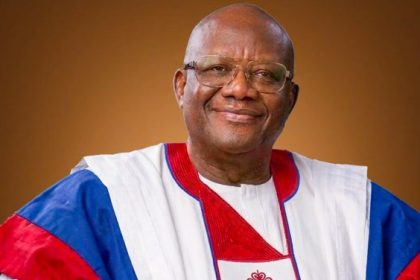
The Executive Secretary of the Chamber of Petroleum Consumers (COPEC), Duncan Amoah, has urged the government to draw lessons from the financial and structural challenges associated with the previous Gold-for-Oil programme in managing the operations of the Ghana Gold Board (GoldBod).
Mr Amoah said the government must ensure that GoldBod does not repeat weaknesses in the Gold-for-Oil model, particularly those relating to commodity price volatility, foreign exchange risks and the financing of gold transactions.
His comments come amid claims by the Minority that GoldBod’s operations have resulted in losses of about US$1.7 billion.
The Minority Leader, Alexander Afenyo-Markin, has referenced an International Monetary Fund report in making the claim, while GoldBod Chief Executive Officer Sammy Gyamfi has rejected the allegation and maintained that GoldBod has made profits.
Mr Amoah acknowledged that GoldBod had produced some positive outcomes, including improved foreign exchange conditions and declining inflation, but cautioned against celebrating the gains before the institution’s trading model had been fully tested.
He argued that the government should be particularly cautious about allowing the Bank of Ghana to finance trading programmes.
Mr Amoah said the previous programme had inherent risks because it involved trading gold for oil despite fluctuations in the prices of both commodities.
Mr Amoah explained that changes in the prices of gold and oil could require the government to provide more gold to secure the same quantity of oil, creating potential losses for the entity financing the transactions.
He said if the price of gold declined while the price of oil increased, more gold would be required to purchase the same amount of oil.
“If gold prices should drop and oil prices should go up, it means you need more gold to be able to pay for. Meanwhile, you’ve already given the Cedi out to buy the gold,” he said.
According to him, the experience highlighted the risks involved when commodity trading programmes are not properly structured to account for price volatility.
Mr Amoah said the government should therefore apply those lessons to GoldBod and ensure that its trading framework is designed to protect public funds.
He said the current debate over alleged losses associated with GoldBod should not be reduced to a partisan contest between the government and the opposition but should instead focus on identifying and correcting weaknesses in the model.
Mr Amoah further called for greater clarity on GoldBod’s new financing model, including where its funding would come from and the exchange rates that would be applied to its transactions.
He said GoldBod should be allowed to demonstrate that it can finance its trading activities independently and generate sustainable profits without transferring potential losses to the Bank of Ghana.
“If GoldBod is able to finance the gold trading on its own balance sheets and at the end of the accounting year, they’re able to declare profits, we’ll come back next year and clap for them,” he said.