Ghana does not have the vast distances or difficult terrain that usually make air travel dominant.
Yet, road travel remains the only option most Ghanaians can afford, and it is proving deadly.
According to the National Road Safety Authority (NRSA), over 1,000 people died on our roads in 2020 despite COVID restrictions. Over 2,000 died in 2023. That’s an average of six deaths every day.
In 2025, more than 2,000 perished, and the country has also lost eight persons in a helicopter crash in April 2025. The NRSA blames poor roads, carelessness, faulty vehicles, unskilled drivers, speeding, drunkenness, and indiscipline for the carnage. In short, human behaviour is the main culprit, making immediate solutions difficult.
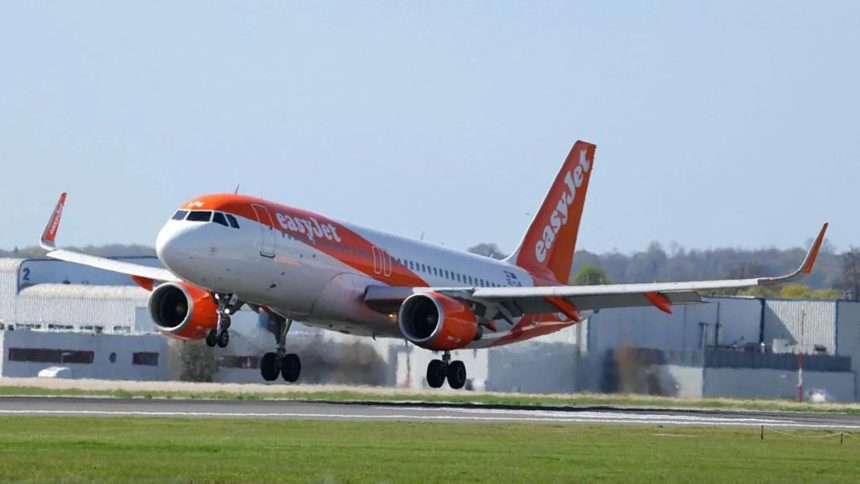
Air travel offers a safer alternative. Aviation is statistically the safest form of transport. In 2022, there were five fatal plane crashes out of 32.2 million flights worldwide.
The Ghana Civil Aviation Authority (GCAA) has reported no air fatalities since 2017, compared to 544 road deaths so far this year.
Way forward
Public education: Many Ghanaians fear flying. However, some also consider it a must-have experience. Consequently, safety records and benefits must be communicated repeatedly to build confidence.
Infrastructure: The country needs to rehabilitate existing airstrips and build new aerodromes.
The runway in Kumasi is about 2km long, while the road from Accra to Kumasi is 250km.
If estimates that a kilometre of asphalted road costs about $1 million in Ghana is anything to go by, then the cost of construction one trunk road can fund over 100 runways.
Technical expertise exists among retired Ghana Air Force engineers.
Districts should lead with the construction and maintenance.
They must see aerodromes as “gold mines without galamsey.”
In the scheme of government spending on roads, equal attention should be given to aviation transport.
Regional gaps: The Central, Eastern and Upper East regions are some of the strategically located areas that lack aerodromes.
However, priority sites should include Bolgatanga for Upper East and North East regions, Damongo or Daboya for Savannah, Techiman for Bono East, Hohoe for Volta and Oti regions, Sefwi Wiawso for Western North Region, and upgrades in Obuasi, Kete Krachi, and others can further expand the availability of aerodromes across the country.
These aerodromes should then be connected well with first class roads to nearby towns and cities to make easing the travel meaningful.
Proximity to neighbouring countries such as Burkina Faso and Cote d’Ivoire must be managed. Accra remains the country’s only true international airport. Tamale and Kumasi currently function below capacity.
Aircraft and cost: Ghana doesn’t need jets. Ten to 50-seater turboprops are ideal.
They are about 40 per cent cheaper to operate than jets on flights under two hours, enough to cover any two points in Ghana. Single-engine aircraft could cut costs further.
Imagine aircraft branded with names such as Nkawkaw, Hohoe, Gambaga, and Axim flying domestic routes.
To make fares competitive with road travel, we should reduce taxes on Jet A-1 fuel and charge airport fees in cedis. Satellite-based navigation can serve remote aerodromes cheaply.
Institutions such as the Ghana Air Force, the Kwame Nkrumah University of Science and Technology (KNUST), the University of Ghana, and the various technical universities should support technology transfer.
Encouraging air travel won’t solve everything, but it will reduce road traffic and save lives. It will also create jobs and boost tourism.
The solution is clear: educate the public, rehabilitate and build aerodromes in all 16 regions and across districts, use cost-effective turboprops, and deploy the Ghana Airport Company to lead.
It’s a matter of life and death.
The writer is a pilot, formerly of the Ghana Armed Forces.