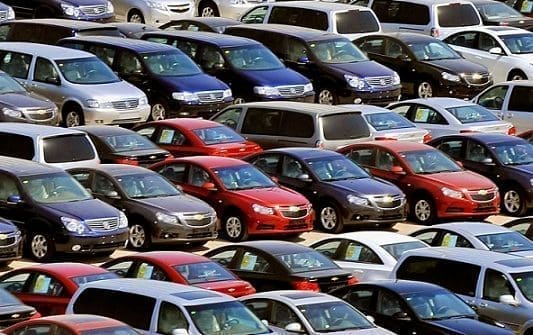
The Ghana Standards Authority (GSA) has clarified that the strict enforcement of the National Vehicle Homologation and Conformity Assessment Programme from October 1, 2026, is not a ban on the importation of used vehicles.
In a statement, the Authority explained that the programme is intended to ensure that all vehicles imported into Ghana meet national safety, quality and environmental standards before they are shipped.
“Effective 1 October 2026, all new vehicle manufacturers and assemblers, as well as used vehicle importers, distributors and dealers are required to register with the Ghana Standards Authority and ensure that all new vehicle models are homologated, while all used vehicle units conform to the applicable Ghana Standards before shipment to Ghana.
“Vehicles that do not meet the prescribed requirements will not be permitted for importation into the country on arrival,” part of the statement read.
The GSA noted that although the programme has been in operation since 2020, strict enforcement of Ghana Standard GS 4510, which governs the importation of used vehicles, will begin on October 1.
Under the new rules, new vehicle models must undergo homologation, while used vehicles must meet the required Ghana Standards before export to Ghana. Importers, distributors and dealers will also be required to register with the Authority.
The GSA said the measures are designed to protect consumers from unsafe, substandard and environmentally harmful vehicles while promoting a safer and more regulated automotive industry.
“It is worth noting that this does not constitute a ban on the importation of used vehicles. The Ghana Standards Authority encourages all stakeholders to familiarise themselves with the applicable requirements and take the necessary steps to ensure compliance before importing vehicles into Ghana,” the statement added.
The enforcement also includes the Pre-Export Verification of Conformity (PVoC) programme, which will verify compliance before vehicles leave their country of export.
Under GS 4510, vehicles with major damage including flood-damaged, burnt or structurally compromised vehicles—will not be allowed into Ghana.
The standard also bars originally manufactured right-hand-drive vehicles, vehicles assembled from spare parts, vehicles without speedometers calibrated in kilometres per hour, and vehicles that are more than 10 years old.