A new survey by the Ghana Statistical Service (GSS) has revealed a sharp increase in bribery experiences among Ghanaians during the second half of 2025, with more citizens paying unofficial fees to access public services and a growing number of public officials demanding such payments.
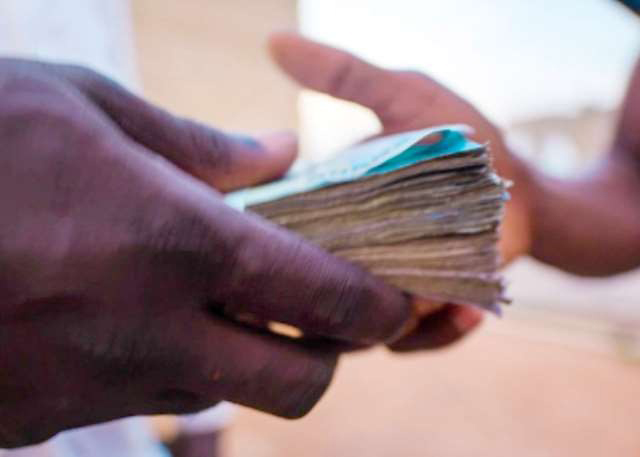
According to the latest data, the proportion of people who admitted paying a bribe rose from 14.3 percent between January and June 2025 to 18 percent between July and December of the same year.
This means that approximately one in every six Ghanaians paid a bribe to obtain a public service during the latter half of the year.
The report also found that demands for unofficial payments by public officials increased significantly. While 51 percent of respondents who encountered bribery said they were asked to make extra payments during the first half of 2025, that figure rose to 69 percent in the final six months of the year.
The findings were presented by Government Statistician Dr. Alhassan Iddrisu at a Governance Series event organised by the Ghana Statistical Service in collaboration with Three Reports on Tuesday, August 4, 2026.
Speaking at the event, Dr. Iddrisu noted that although Ghana recorded an overall improvement in governance indicators, citizens’ experiences with bribery worsened during the second half of 2025.
He explained that the increase suggests the problem is increasingly being driven by public officials demanding payments rather than citizens voluntarily offering bribes. According to him, the pressure is now largely coming from service providers at public institutions.
He said the six-monthly survey allows the GSS to monitor changes within the same year while also comparing long-term trends.
The Government Statistician further explained that the governance survey follows the same nationally representative households across all 16 regions, making it possible to accurately measure changes in citizens’ experiences over time rather than differences in survey participants.
The latest findings are based on interviews conducted with household heads in the first quarter of 2026, covering their experiences with public services between July and December 2025.