In last week’s article, I was outlining why human rights should not be considered a ‘Western’ idea.
I cited, among many other things, that both Christianity and Islam are concepts introduced from abroad and that culture, philosophy and tradition are all constructs that change and mutate over time.
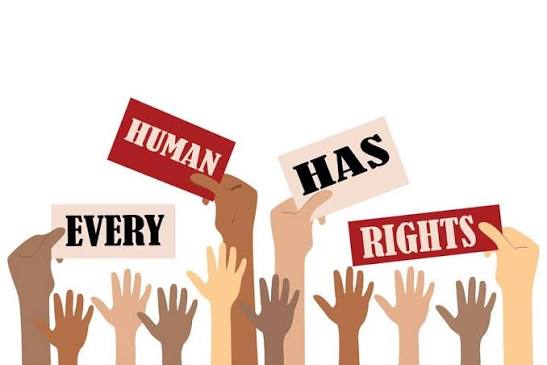
The core argument is that every human being possesses inherent worth, and this has remained the mainstay of human rights.
This idea is not exclusively Western as it is reflected in African philosophical traditions, which emphasise our shared humanity, and in Christianity’s teaching that all people are created in the image of God and in Islam’s affirmation of the dignity bestowed upon humanity by the Creator.
Indeed, the African concept of community does not diminish human rights; it reinforces the obligation to treat every person with respect and fairness.
Reference the African Charter on Human and Peoples’ Rights – note where the apostrophe is placed on the Peoples.
There is also the African concept of Ubuntu. All these concepts emphasise the need to treat every person with the same rights, dignity and respect.
Report Card
Clear
It is abundantly clear that towing this equal treatment argument does not mean that citizens must agree on every moral, cultural or religious issue.
Not at all, everyone is free to hold different views about sexuality, marriage, religion and family life.
That is the essence of democracy as it thrives on a robust debate.
The rub is that there remains an important distinction between disagreeing with someone’s conduct and denying that person’s fundamental rights.
We can disapprove of another’s beliefs or lifestyle while still accepting that the individual is entitled to equal protection of the law, freedom from arbitrary arrest, freedom from violence, access to justice and respect for their inherent dignity.
That distinction lies at the heart of constitutional democracy.
History
History repeatedly warns us about the dangers of allowing majorities to decide whose rights deserve protection.
Slavery was once defended by appeals to tradition; It was sanctioned in the Bible and was supported by law in American history.
The West was once a bastion of violence and discrimination against LGBTQ+ people.
Most laws against LGBTQ+ people in our Criminal Code, and that of other colonial countries such as Uganda, Tanzania and Nigeria, were legislated by the English.
What is the current situation in England with respect to LGBTQ+ rights?
Colonialism claimed moral legitimacy. Women were denied political participation for generations.
Racial segregation was justified as cultural preservation.
Each of these injustices survived because groups were considered less deserving of equal rights.
Human rights exist to prevent that outcome.
The Constitution does not protect ONLY popular opinions or fashionable causes.
It protects everyone, especially those whose rights may be vulnerable to the passions of the moment.
Constitutional rights have meaning ONLY if they apply equally to those with whom we disagree, as well as those with whom we concur.