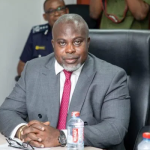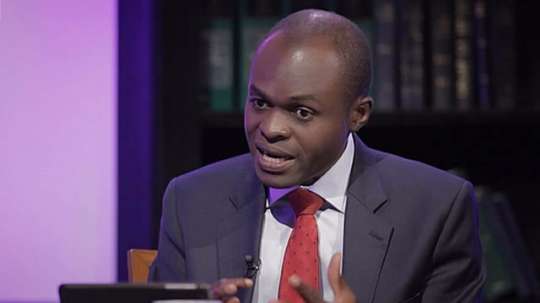
Private legal practitioner Martin Kpebu has criticised what he describes as the increasing arrest of people over comments considered insulting or offensive to public officials.
According to him, the John Mahama administration has recorded more arrests related to free speech within its first 18 months than the previous Akufo-Addo government did during its eight-year tenure.
Mr Kpebu described the development as a poor record for President John Dramani Mahama and urged the government to reconsider using arrests to deal with offensive public commentary.
He acknowledged that insulting public officials was inappropriate but argued that arresting people was not the solution.
“For one and a half years, this current government has arrested more people on matters of free speech than Akufo-Addo’s eight years. It is a bad record for John Mahama; they should be careful. Mahama should pay attention,” he said.
Mr Kpebu warned that continued arrests could gradually undermine the goodwill the government currently enjoys.
“These things start small; before he realises, all the goodwill is gone. Let the people talk. During Akufo-Addo’s tenure, Mahama called him and others ‘Akyem sakawa mafia’; who arrested him?” he asked.
He said Ghana’s democratic history includes several instances where politicians and public figures made strong or offensive remarks against those in power without being arrested.
“We said Akufo-Addo was stone-deaf; ‘mampam’, did he arrest me? Nana Yaa Jantuah called Akufo-Addo Nebuchadnezzar; she popularised it. Allow Ghanaians to talk,” he said.
Mr Kpebu also referred to the late former President Jerry John Rawlings, who, he said, made serious accusations against former President John Agyekum Kufuor while he was in office without being arrested.
“Late President Jerry John Rawlings called former President J.A. Kufuor, while in office, a thief. He didn’t arrest J.J. You can’t shut people down by arrests. I think the government should sit up. As for the insult, there is nothing you can do; it’s part of accountability,” he stressed.
He called for a broader national discussion on alternative ways of dealing with offensive public comments without resorting to arrests.
Mr Kpebu suggested measures such as fines or, where appropriate, public naming and shaming. He argued that arresting everyone who makes insulting remarks would neither be practical nor desirable in a democratic society.
His comments come amid renewed debate over free speech and the use of state institutions following the New Patriotic Party’s (NPP) “Democracy Under Attack” demonstration on Thursday, August 6.
The NPP organised the protest to raise concerns over what it described as threats to the rule of law, constitutional governance and democratic accountability.
The government has rejected those allegations.