The Ministry of Education has proposed allocating 2% of the annual Ghana Education Trust Fund (GETFund) allocation to an emergency fund to help the government respond quickly to crises affecting schools and learners.
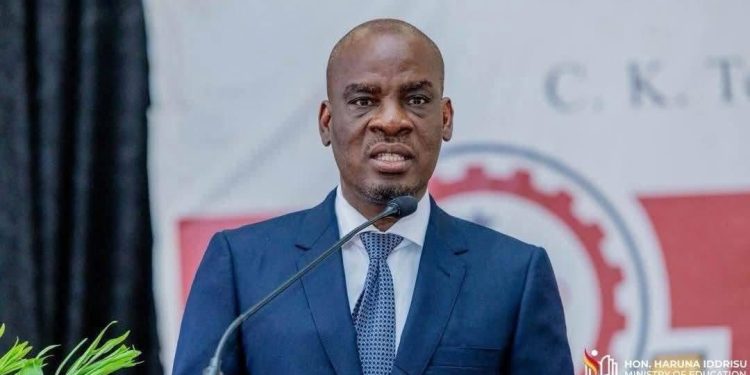
Education Minister Haruna Iddrisu said the proposal has the backing of Finance Minister Dr. Cassiel Ato Forson and would give the Ministry greater flexibility to respond to emergencies such as conflicts, floods and other disasters that disrupt teaching and learning.
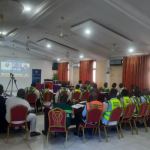
The Minister made this known during an engagement with Associates for Change, a Ghanaian research and consulting organisation, on September 24.
He said the emergency fund would allow the Ministry to respond more quickly to crises without relying entirely on lengthy budgetary processes.
The proposal comes amid concerns about the impact of conflicts, disasters and other emergencies on children’s access to education, particularly in vulnerable communities.
Research by Associates for Change indicates that West Africa has the largest proportion of out-of-school children in Africa, with many living in communities affected by insurgencies and other forms of conflict.
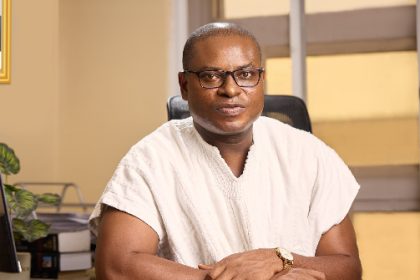
Director and Founder of Associates for Change, Dr. Leslie Casely-Hayford, also highlighted the need to better prepare teachers to work in communities facing flooding, climate-related disasters and insecurity.
She recalled a previous policy that bonded trainee teachers to district education offices to encourage them to return and serve their communities after training.
“Ten years ago, five years ago, the Ministry had a policy that before a teacher entered training college, they should have a bond with the district education office to serve back in those communities,” she said.
According to her, such an approach could help teachers better understand the specific needs of the communities where they work.
“Our studies have shown that once we do that type of approach, it allows for the teachers to contextualize their training programmes,” Dr. Casely-Hayford said.
She added that teachers trained under such an approach would be better prepared to work in areas affected by flooding, climate change or insurgencies.
“When they’re coming out of teacher training, they are ready to serve in their region, in their district, which sometimes is affected by flooding or by climate change or by insurgencies,” she said.
She also stressed the need to equip teachers with skills to provide psychosocial support to children and colleagues affected by emergencies.
“In those areas, we are using an approach that is helping teachers become more prepared and more ready to serve in those areas, including the psychosocial support for their teaching and learning,” she said.
The proposed 2% allocation is expected to form part of broader efforts to strengthen Ghana’s preparedness and minimise disruptions to education during emergencies.